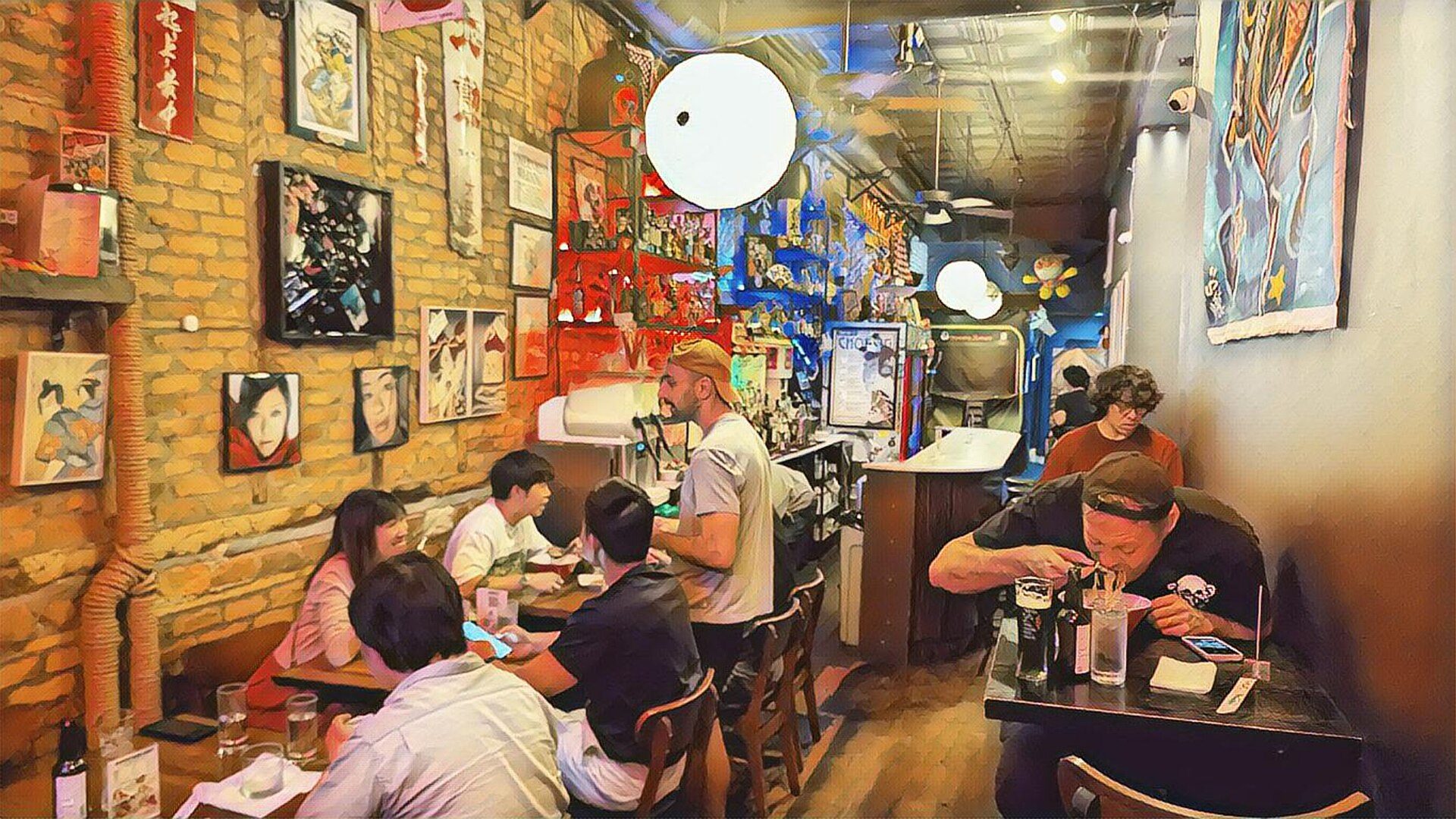
What I especially like is that it doesn't feel staged, even though it's now one of Shinjuku's best-known stops. You can come for 焼き鳥 (yakitori, grilled chicken skewer), a cold beer, and a crash course in post-war Tokyo all at once.



Omoide Yokocho in Tokyo: a small alley with a big memory
Here's the kicker: Omoide Yokocho isn't a theme-park version of old Tokyo, it's a real commercial lane that grew out of the city’s postwar chaos. The name means "memory lane", and that fits, because the place still feels like a snapshot of a harder, hungrier era. It sits just west of Shinjuku Station, one of the busiest transport hubs in the world, where millions of people pass through every week.
Picture this: after the Second World War, the area around Shinjuku was full of makeshift stalls and black-market food sellers. Tokyo needed to rebuild fast, and small eateries filled the gap. Over time, those informal stalls became the yakitori bars and tiny 居酒屋 (izakaya, Japanese pub) you see today. No exaggeration: when you walk through the lane at night, you can still sense that layered history in the smoke, the low roofs, and the tight spacing between counters.
For Japan fans, that mix of survival, food, and city life is what makes Omoide Yokocho so interesting. It isn't just a cute alley for photos. It's a living piece of Tokyo history, and that's exactly why it keeps showing up in japantravel discussions, guidebooks, and video travel logs. Pretty brilliant, really.
From black market roots to izakaya culture
Before I forget: Omoide Yokocho is often linked to the postwar black market scene, but the story is a bit more nuanced than a single label. The first food stalls appeared in the late 1940s, when Tokyo was still dealing with shortages and reconstruction. Many vendors sold inexpensive drinks and grilled skewers to workers, commuters, and people who just wanted a warm meal after a long day.
The best part is that the food model never really changed. Yakitori, もつ焼き (motsuyaki, grilled offal), and other simple dishes stayed at the centre because they were cheap, filling, and easy to serve in tiny spaces. A small charcoal grill does a lot of work here. That smell of 備長炭 (binchotan, high-quality charcoal) smoke is part of the experience, and once you notice it, you'll understand why people keep coming back.
What to order and why it matters
My tip: start with yakitori, then add one offal skewer if you're curious. A lot of places serve ねぎま (negima, chicken and scallion skewer), reba, and つくね (tsukune, seasoned chicken meatball), and those are easy vocabulary wins for Japanese learners too. Negi means green onion, reba comes from the English word "liver", and tsukune is a seasoned chicken meatball, often glazed with たれ (tare, sweet soy-based sauce) sauce.
On the flip side, not every spot is about the same dishes. Some counters lean into おでん (oden, Japanese hotpot stew), others serve ramen, curry rice, or stewed dishes that go well with sake and beer. That variety matters, because it shows Omoide Yokocho isn't frozen in one food tradition. It adapted, as Tokyo always does.
Why Omoide Yokocho still feels like old Tokyo
Here's the deal: the lane today is much cleaner and more regulated than the rougher postwar years, but the atmosphere survives because of its scale. The alleyways are narrow, the signs are close together, and the seating is usually only a handful of stools. Most shops are tiny, which keeps the sound level high and the interaction personal. You don't just eat here, you share space with strangers.
While we're at it, that intimacy is part of the appeal for Japanese language learners. If you sit at the counter, you'll hear short, practical phrases all evening, things like "ikaga desu ka", "nan ni shimasu ka", and "arigato gozaimasu". It's a great place to notice how Japanese gets compressed in real life, especially in busy food settings where speed matters.



Fun fact: Omoide Yokocho isn't the only famous alley in Tokyo, but it may be the most internationally recognisable because it's so tightly connected to Shinjuku nightlife. Compare it with Golden Gai nearby, and you get two very different versions of small-space Tokyo. Golden Gai is more bar-focused, while Omoide Yokocho keeps food at the centre. From my experience, that makes it easier for first-time visitors to relax and enjoy the rhythm of the place.
Tokyo travel tips for visiting Omoide Yokocho
It's early morning in Kyoto, but back in Tokyo, Omoide Yokocho doesn't really come alive until late afternoon or evening. That's when office workers, locals, and travellers start filling the tiny bars. If you want the full effect, go after sunset, when the lanterns glow and the smoke hangs in the air.
Convinced yet? The area is only a few minutes on foot from Shinjuku Station, but that short walk matters. You'll go from giant screens, taxi queues, and department stores to a lane that feels decades older. The contrast is part of the magic. Don't expect a long meal unless you're lucky, because many counters are small and some places are better suited to a quick drink and a few skewers.
Before you go, a few practical notes help. Some shops still prefer cash, seating fees can appear on the bill, and English menus vary. If you can read a bit of Japanese, look out for menu words like niku, sakana, teishoku, and nama biru. Those little bits of language turn a visit into a learning moment, and that's half the fun for jpnerd readers.
On the flip side, you should also respect the neighbourhood vibe. People live and work here, and the alley is small enough that noisy behaviour stands out fast. Keep your bag close, don't block the walkway, and move on if a place is full. That balance of energy and manners is pure Tokyo.
For me, Omoide Yokocho works because it gives you history without making a speech about history. You get it in the grilled smoke, the cramped counters, the old-school menus, and the way strangers share a narrow room for twenty minutes. See what I mean?
If you're building a japantravel list for Tokyo, put Omoide Yokocho near the top. It is a food stop, a history lesson, and a vocabulary lesson all in one alley. That's a rare combination, and it still feels genuine even after decades of fame. Insider tip: go hungry, go early enough to find a seat, and stay long enough to hear the place settle into its evening rhythm.
Frequently Asked Questions
Where is Omoide Yokocho located?
It is in Shinjuku, Tokyo, just west of Shinjuku Station.
What is Omoide Yokocho known for?
It is known for tiny izakaya, yakitori, and its postwar street-food atmosphere.
Is it good for first-time visitors to Tokyo?
Yes, especially if you want a compact nightlife spot with food, history, and an easy location.