For Japanese learning fans, this is one of those moments where game news and language culture meet, because terms like remakes, fan feedback, and resonance keep cropping up in modern Japanese media discussions. And yes, this could be a big deal for anyone who still loves the old-school spirit of Final Fantasy.


Square Enix, Final Fantasy, and the idea of resonance
What most people don’t know is that Square Enix isn’t just thinking about graphics or nostalgia, it’s talking about resonance. That word matters here. In the company’s recent comments, the idea is simple: if a remake truly resonates with players, then more traditional Final Fantasy remakes could make sense.
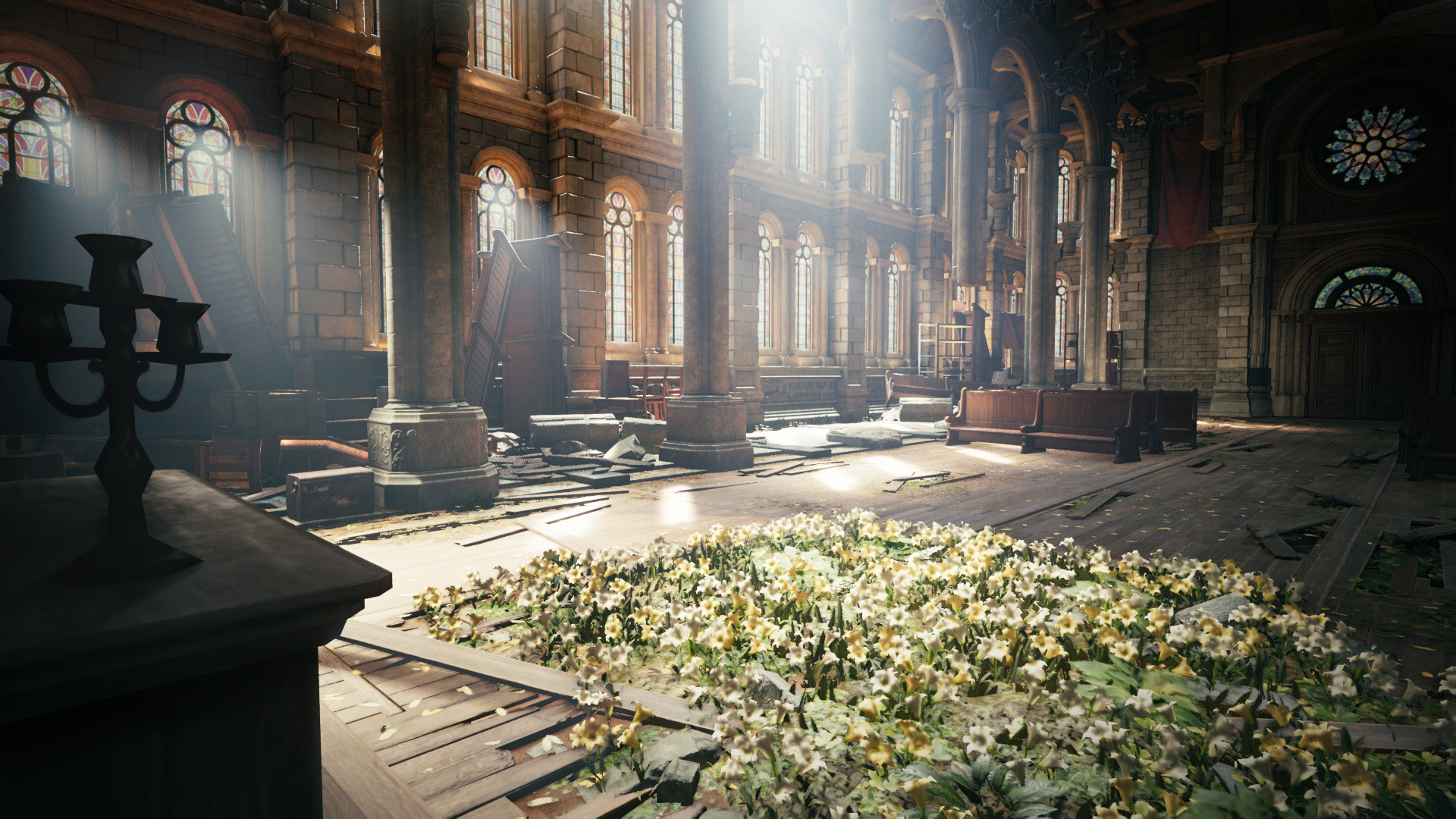
That’s why this story is bigger than one interview quote. Final Fantasy has always been a series that changes shape, from the 1987 original on the Famicom to the cinematic scale of later entries like Final Fantasy VII Remake in 2020. Now Square Enix seems open to the idea that not every remake has to become a full reinvention. Personally, I think that’s a healthy sign. See what I mean?
Square Enix wants to listen to players
No joke: the company’s message is basically, “We’re paying attention.” During the recent shareholder discussion reported by play3.de, Square Enix was asked whether smaller remake and remaster projects, similar to Final Fantasy Resonance, could become more common. The answer pointed to player response, market reaction, and whether a project really connects with fans.
Here's the thing: this is the kind of language classic RPG fans love to hear. The Japanese phrase 口コミ (kuchikomi, word of mouth; buzz) often describes word-of-mouth buzz, and that kind of buzz can shape a remake strategy fast. If players talk positively about a faithful remaster or a more traditional remake, Square Enix may follow that signal. The reason is simple: companies do listen when sales and feedback line up.
Why this matters for Final Fantasy
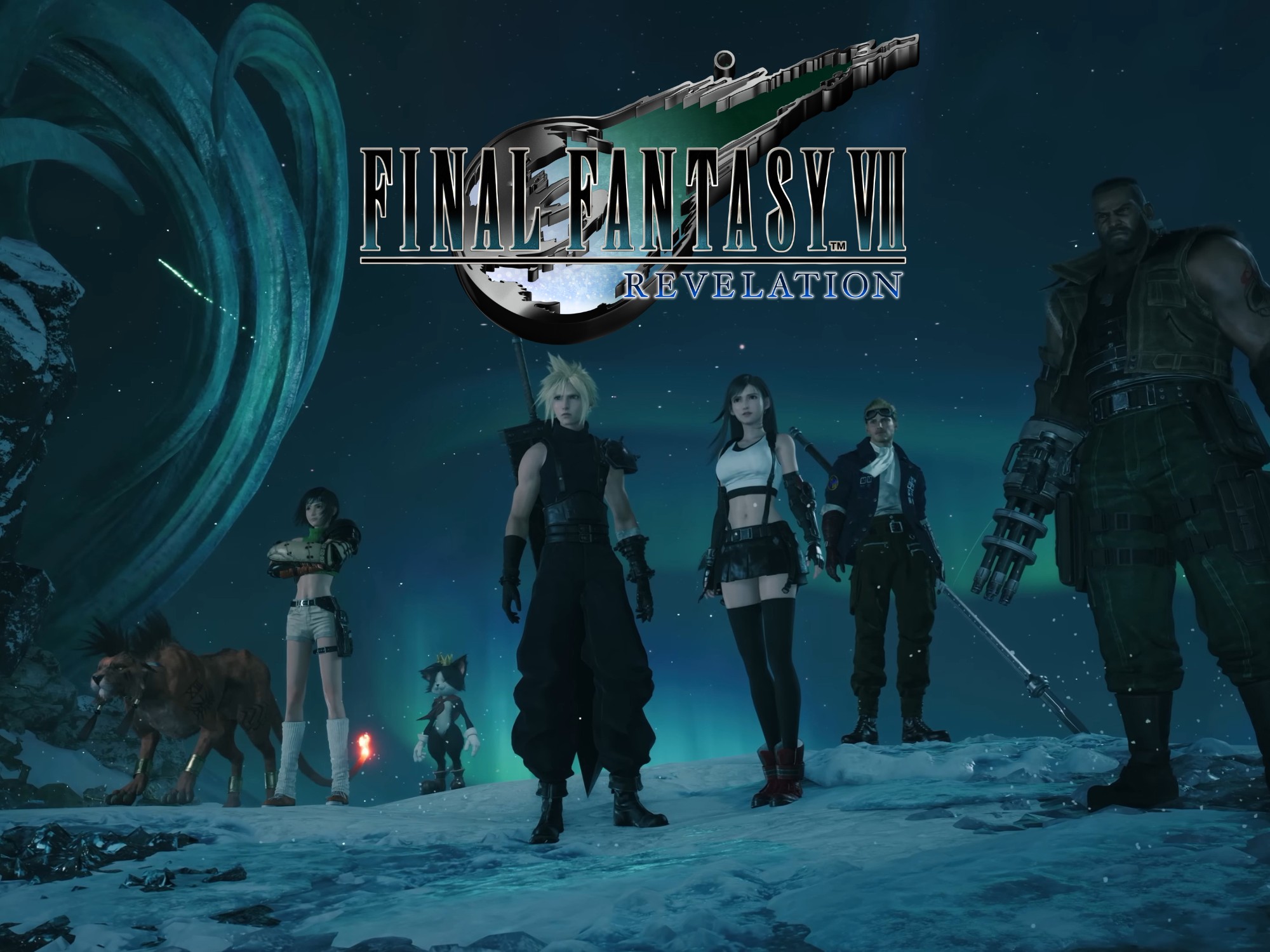
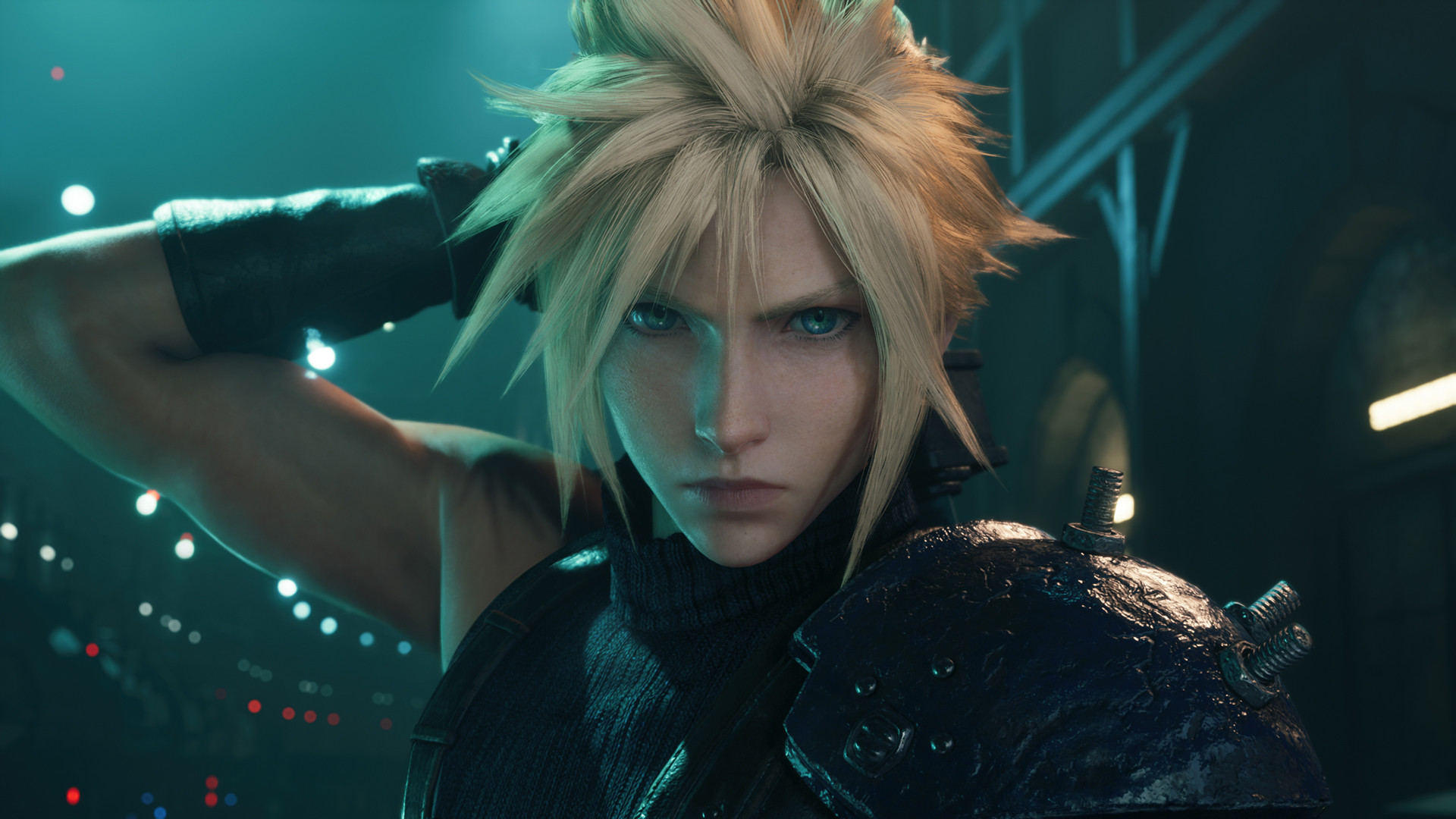
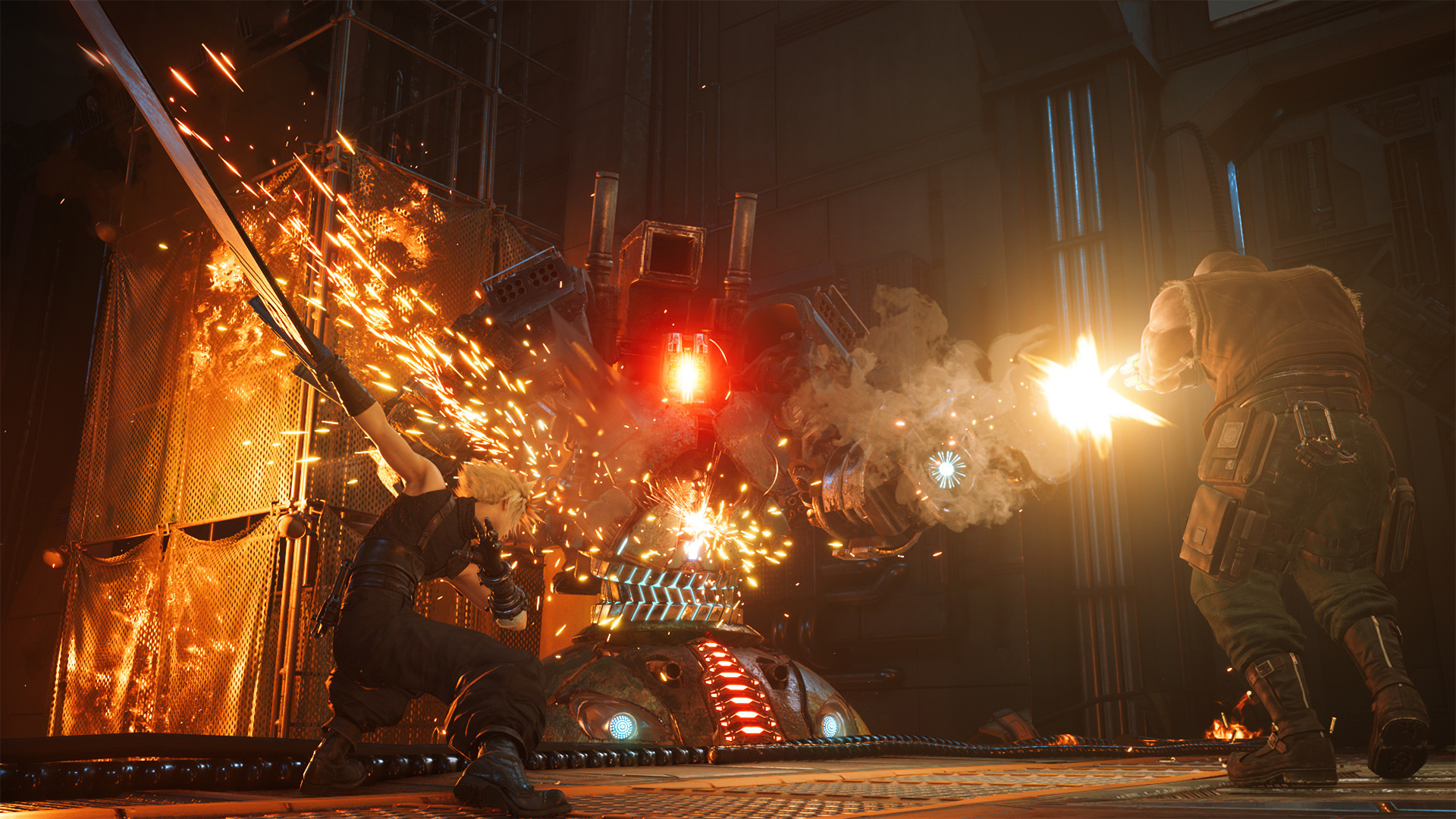
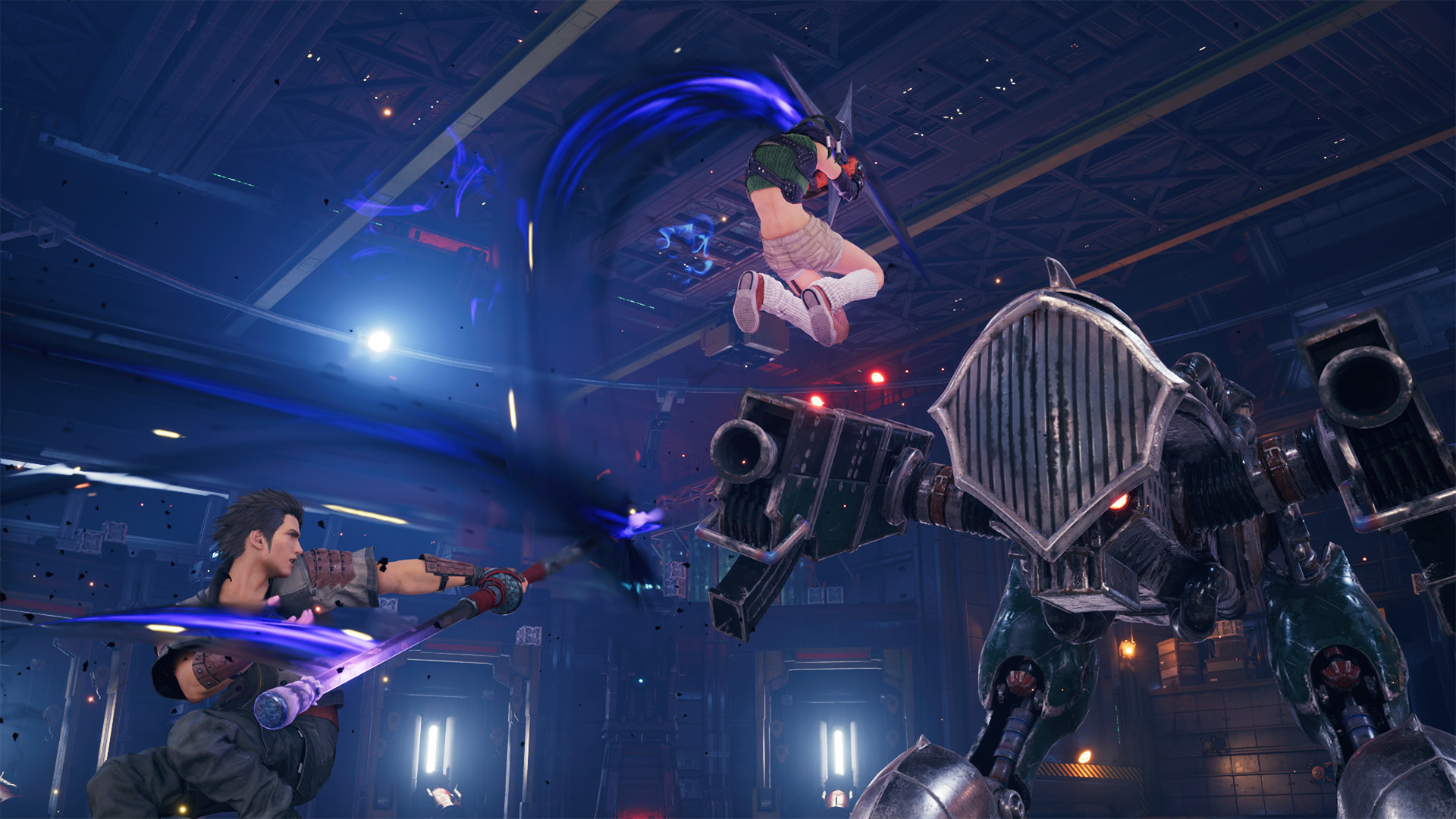
Final Fantasy VII Remake and Final Fantasy VII Rebirth showed that Square Enix can take one of its biggest classics and rebuild it with bold new systems, new story beats, and modern production values. That approach worked for a lot of players, but not everyone wants a radical reimagining every time. A more traditional remake, closer to the original structure and pacing, would give fans a different kind of experience.
What I especially like is that this gives the series room to breathe. A 16-bit or PS1-era style remake, updated with modern polish, can hit a sweet spot between nostalgia and accessibility. Wild, isn’t it? A company known for flashy reinventions may now be considering something more restrained. Personally...
Final Fantasy Resonance and the return of classic RPG design
For example, Final Fantasy Resonance has become a useful reference point in this discussion because it represents a more classic approach in spirit. It recalls the comfort of turn-based planning, clear party roles, and the slower rhythm many fans associate with earlier Final Fantasy games. That sort of structure also connects well with the growing interest in HD-2D-style presentation, which Square Enix has used successfully in other projects.
Look at the broader context. Square Enix has already seen strong fan reactions to retro-leaning releases like Live A Live, the Dragon Quest III HD-2D Remake, and Final Fantasy Tactics: The Ivalice Chronicles, released in the previous year. Those games show there’s real appetite for designs that respect the original. Pro tip: when a publisher sees several titles land well with older and younger players alike, it tends to pay attention.
Could more faithful remakes be next?
That reminds me: Japanese game companies often test the water before they commit. If a remake project gets positive 評価 (hyouka, evaluation; rating; feedback) from players and strong sales in Japan and overseas, it can become a template for the next one. Square Enix isn’t promising a return to pure old-school Final Fantasy remakes, but it is clearly leaving the door open.
The interesting part is how this could affect the franchise lineup over the next few years. Final Fantasy is already one of the most recognisable game brands in the world, and the remake question is really about identity. Should the series keep pushing into modern action-heavy territory, or should it also make room for faithful revivals that preserve the original feel? My tip: it doesn’t have to be either-or. The best outcome is variety, because fans aren’t one single group. Some want spectacle, some want 渋み (shibumi, understated elegance) simplicity, and some just want to hear the old victory fanfare again. See what I mean?
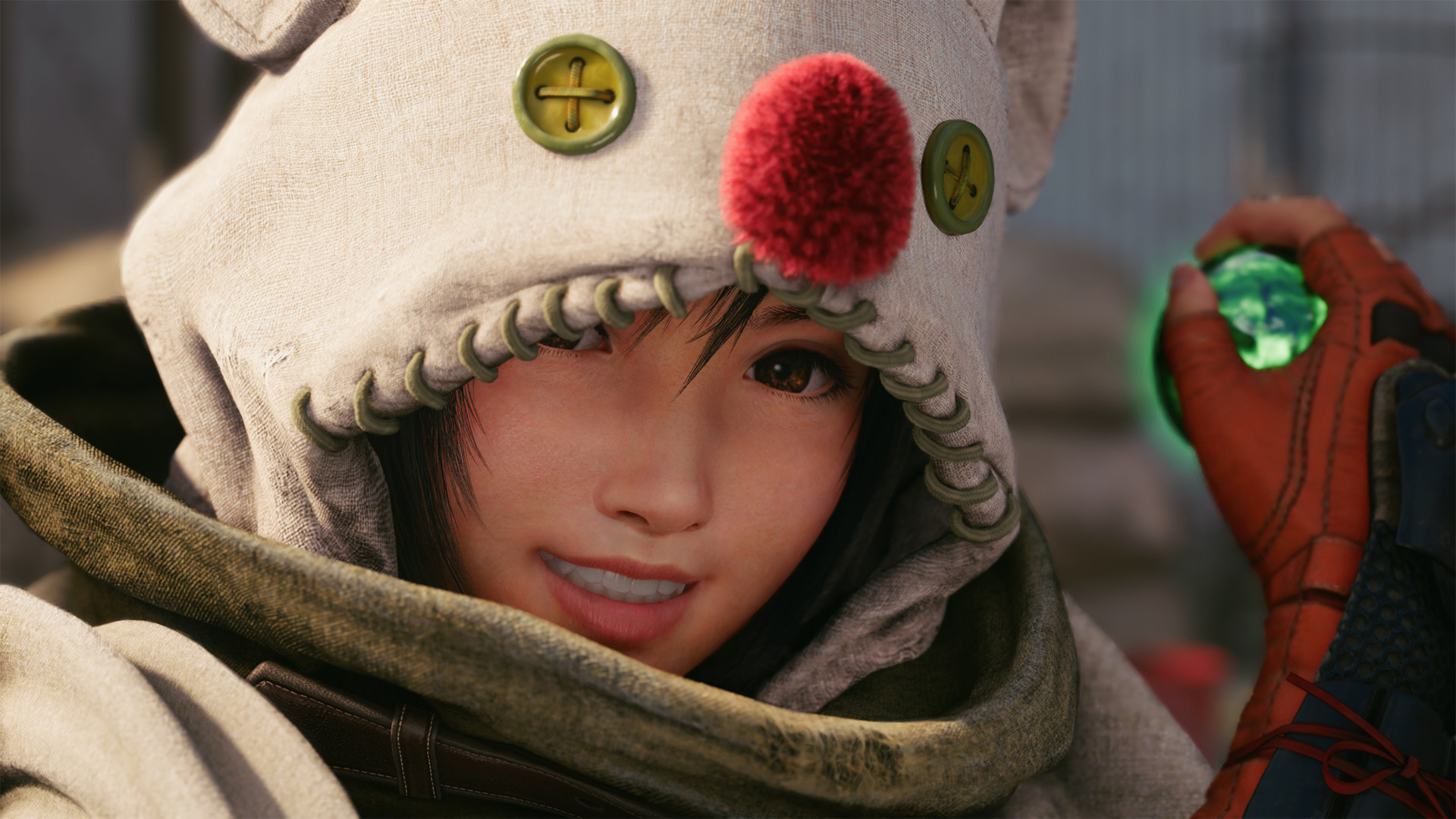
For Japan fans and language learners, this is also a nice reminder that gaming news often carries cultural vocabulary with it. Words like resonance, feedback, and remake are common in Japanese media talk, and they show how global the industry has become. At the same time, the emotional pull of classic Final Fantasy is still very Japanese in spirit, from the careful balance of party strategy to the sense of 懐かしい (natsukashii, nostalgic; fondly reminiscent) nostalgia. No wonder, because old games still have power when they’re treated with respect.
Personally, I’d love to see Square Enix try a more traditional remake of one of the earlier Final Fantasy games, especially if it keeps the original structure intact while modernising the interface and visuals. That could be the perfect compromise between preservation and polish. And if Final Fantasy Resonance is any clue, the company may already be thinking in that direction. Not bad, right?
In pictures
Frequently Asked Questions
What did Square Enix say about traditional Final Fantasy remakes?
Square Enix said it is willing to consider remake ideas that resonate strongly with players, which leaves the door open for more traditional projects.
Is Square Enix confirming a new classic Final Fantasy remake?
No, it is not a confirmation. The company is sounding open-minded, but future projects will still depend on fan response and market success.
Why are classic fans excited by this news?
Because it suggests Square Enix may balance modern reinventions with remakes that stay closer to the original games fans remember.