
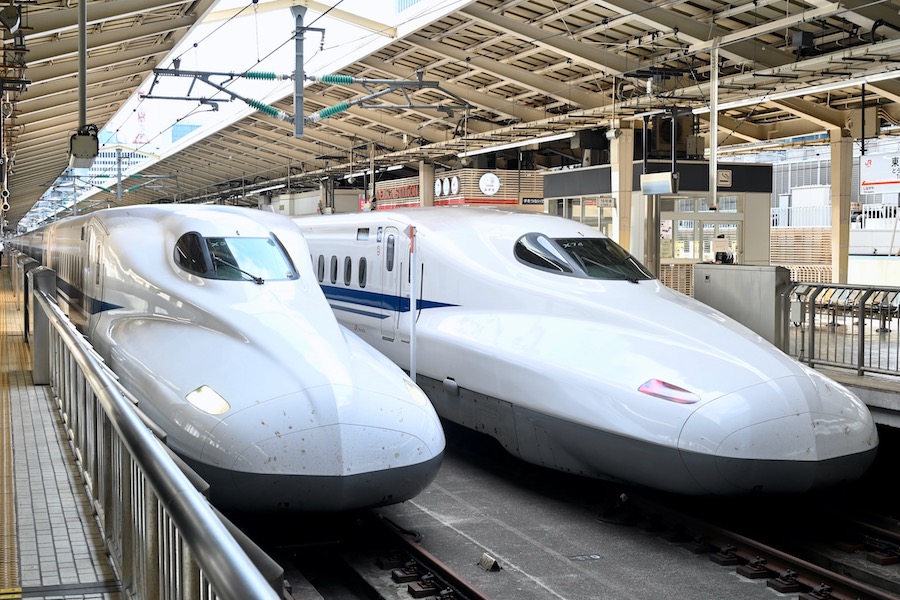
Okay, here’s the thing: if you ride the 新幹線 (Shinkansen, bullet train), you probably think about speed, punctuality, and that perfect 駅弁 (ekiben, station bento) moment. But fire safety inside the carriages matters just as much, and this update shows Japan is treating that risk with real urgency.
Know that feeling when a tiny gadget suddenly becomes a big safety story? That’s exactly what’s happening here. JR is upgrading Shinkansen interiors to better handle fires caused by mobile batteries, and the move has nationwide importance because the Shinkansen isn't just one train line, it's the backbone of intercity travel across Japan.
This is a practical safety update, not some glossy tech announcement. And I actually like that. It tells you something about how Japan handles transport risk: quietly, methodically, and with the whole system in mind.
Five JR companies are acting together
The first big detail is simple. Five JR companies are involved in this move, which gives it real scale. We’re talking about a coordinated response across the JR group, not a one-off tweak on a single route.
That matters because Shinkansen service is split across several regional operators. JR East, JR Central, JR West, JR Kyushu, and JR Hokkaido all run major rail services, and when safety standards move across that kind of network, the ripple effect is huge. If you travel in Japan often, you know how rare it is for a change to feel truly national. This one does.
Pro tip: when you see a rail safety change spread across multiple JR companies, it usually means the issue has been judged serious enough to deserve a common rulebook. That is the kind of detail I always watch for in Japan transport news, because it often says more than the headline does.
What the Shinkansen fire countermeasures actually mean
Here’s the deal: the concern is mobile battery fires, especially from lithium-ion batteries inside devices like smartphones, power banks, and portable chargers. These batteries are compact, powerful, and incredibly useful. They can also fail in dramatic ways if damaged, overheated, or manufactured poorly.
On trains, that risk is even trickier. A fire in a Shinkansen carriage is not like a problem in a parking lot or on a street corner. You have passengers packed into a sealed interior, limited movement, luggage stored near seats, and a very fast-moving vehicle where response time matters a lot.
What many overlook: a battery fire is not always a giant explosion movie moment. Often it starts as smoke, heat, or sudden swelling. That means crews need fast detection, clear procedures, and car interiors that make containment easier. The update is about readiness, not drama.
Why mobile batteries are a growing concern
Portable batteries are everywhere in Japan, especially among commuters, tourists, and content creators. I’ve lost count of how often I’ve seen someone in Tokyo pulling out a power bank before the train even leaves the platform. It’s normal. Too normal, maybe.
That’s why this issue hits so close to daily life. Japan’s trains are designed around order and efficiency, but gadgets have become part of the travel ecosystem. You charge your phone, film your trip, translate menus, check your route, and maybe top up a camera battery on the go. Convenient? Absolutely. Risk-free? Not quite.
And it gets better: because the Shinkansen is such a shared space, even a small fire can affect hundreds of people at once. So the logic here is less about one device and more about protecting the entire carriage environment.



Inside the Shinkansen, safety design really matters
Imagine a narrow alley in Tokyo. Now replace the bikes and vending machines with a high-speed train interior. You still need clean movement, quick decision-making, and clear space for people to react. That is why Shinkansen car design matters so much when fire safety changes are introduced.
The likely focus is on making the interior easier to manage during a battery incident, which can include better fire suppression planning, staff procedures, and materials or layouts that reduce escalation. Even small adjustments inside a train can have a big effect because the environment is so controlled.
Trust me on this one: Japanese rail operators do not make these changes casually. If something ends up in the Shinkansen, it has probably been tested, debated, and stress-tested again. Classic Japan, isn't it?
Why this matters for Japan fans and learners
If you’re learning Japanese, this is a great example of real-world vocabulary. Words like 安全 (anzen, safety), 危険 (kiken, danger; hazard), and shinkansen come up often in news, station announcements, and public notices. The language around safety in Japan tends to be direct and functional, which makes it useful for learners who want to understand everyday media, not just textbook dialogue.
My tip: pay attention to how Japanese news frames responsibility. You’ll often hear careful, collective language around prevention, response, and system-wide improvement. That tells you a lot about how Japan thinks about public infrastructure. Personally, I find that one of the most useful windows into the culture.
Why this update has nationwide relevance
Quick detour: this is not just about train nerd details, although I’m very happy to spend time there. The real point is that the Shinkansen is one of Japan’s most trusted public systems, and any upgrade there becomes a reference point for other transport operators too.
There’s also a bigger consumer angle. The more people depend on mobile batteries, the more public spaces have to adapt. Airports, buses, ferries, and trains all face the same underlying problem, but the Shinkansen has a special visibility because it carries so many domestic travellers and foreign visitors. If the JR companies tighten standards here, other parts of the transport ecosystem will be watching closely.
On a related note: Japan has a strong track record of turning small operational lessons into national best practice. That’s one reason its rail system feels so polished. The improvement might look modest from the outside, but the effect can be huge. From my experience, that’s usually how the best Japanese infrastructure changes work.
One last thought. These kinds of updates remind me that tech stories are not always about the newest chip, phone, or AI model. Sometimes the most meaningful innovation is the thing keeping you safe while you travel at 300 km/h with a half-charged power bank in your bag. And honestly, that’s pretty cool.
Frequently Asked Questions
Why are JR companies updating Shinkansen safety now?
They are responding to the growing risk of fires caused by mobile batteries and other lithium-ion devices.
Does this affect all Shinkansen lines?
The update is being coordinated across five JR companies, so the impact is broad and nationally relevant.
Why should Japan learners care about this story?
It uses practical vocabulary from real news and gives useful context about Japanese transport culture.


