
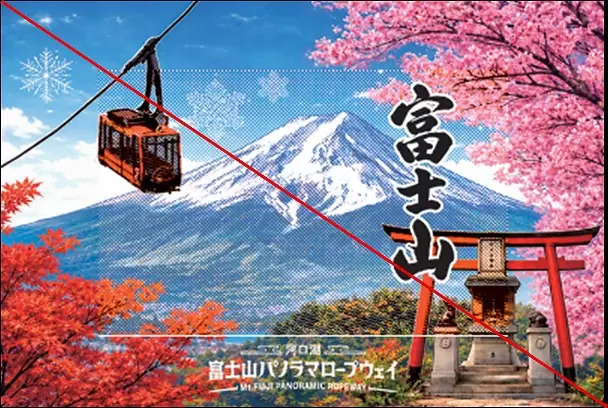
It’s the kind of attraction that feels simple at first, then keeps giving you more the longer you stay. You get the panorama, a bit of shrine culture, and a few useful words you can actually use on your next trip, see what I mean?



Mount Fuji Panoramic Ropeway: a view with extra meaning
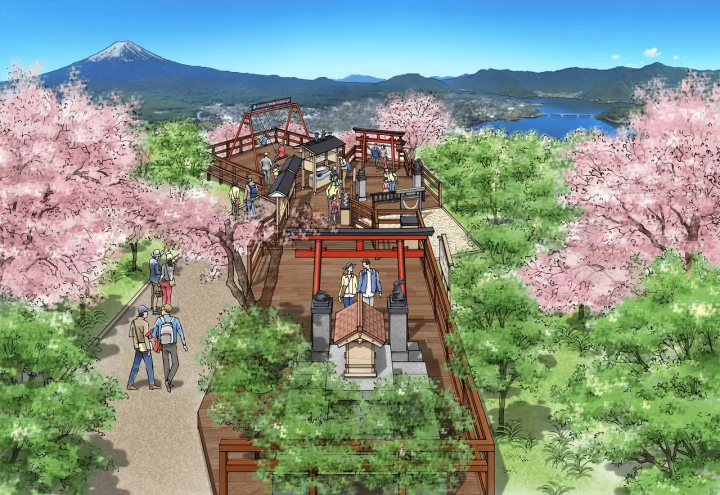
Ever wondered why a ropeway ride can become a full day trip? The Mount Fuji Panoramic Ropeway is a good example, because it does more than move you uphill, it frames Mount Fuji, Lake Ashi, and the wider Hakone landscape in one clean sweep. The new setup, launching on 16 July, adds a tourist layer that feels very Japanese, a mix of scenery, folklore, and small discovery points.
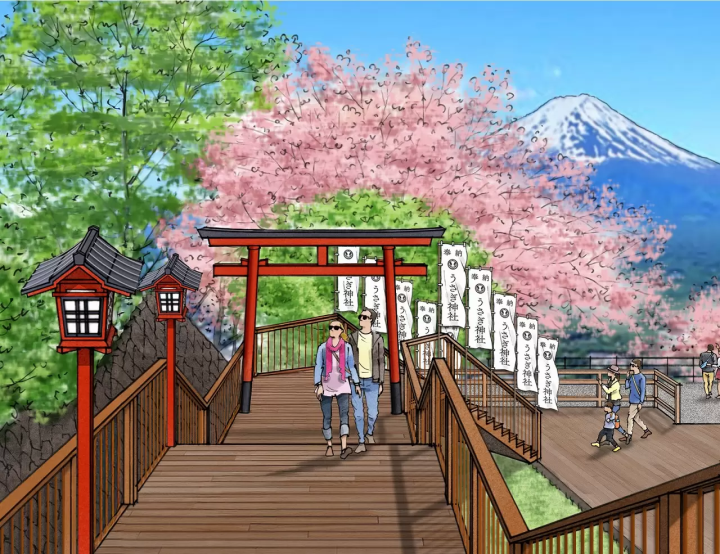
To be fair, Hakone already has plenty going for it. You can visit onsen, take the pirate ship on Lake Ashi, wander around temples, and still end the day staring at Fuji if the weather behaves. But a ropeway with new good-luck spots gives visitors a clear reason to stop, look around, and actually stay a little longer, see what I mean?
For Japanese learners, that matters too. Travel spots like this are where words such as 切符 (kippu, ticket), 展望 (tenbo, view / outlook), and お守り (omamori, protective charm) stop being textbook vocabulary and start feeling real. A signboard, a plaque, or a local charm shop can turn a day trip into a mini language lesson, and that’s not bad for one ride up a mountain, but that’s not all.
What opens on 16 July, and why it matters
Let me show you why the date is a big part of the story. The opening on 16 July gives the ropeway a timed refresh, which is smart tourism planning, especially in a region that lives and dies by seasonal travel flow. Summer visitors want easy access, clear photo spots, and a reason to hop off the usual Hakone circuit, and this change gives them exactly that.
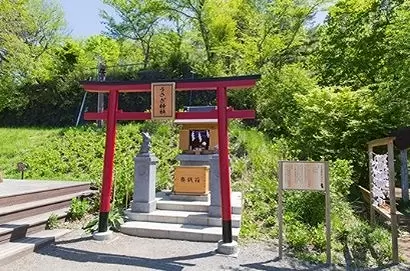
The new good-luck spots are the real hook. Japan is full of places that quietly invite wishes, from 絵馬 (ema, votive plaque) boards at shrines to stone statues and lucky trees, and adding a themed layer to a scenic attraction makes perfect sense. Sounds odd, but it’s true: people love a place that gives them a photo and a story at the same time.
Good-luck spots as a travel idea
Basically, if you can turn a lookout into a place for hoping, praying, or simply pausing, the visit becomes memorable. That can be as simple as a lucky bell, a message point, or a corner designed around regional beliefs. In the Hakone and Fuji region, this fits naturally, because the whole area already has a reputation for spiritual landscapes and mountain energy.
A great example: many travellers in Japan look for places tied to 縁結び (enmusubi, matchmaking / tying of fates), or matchmaking luck, and they also love spots linked to success, safe travel, and good fortune. That kind of detail is gold for Japan fans, because it shows how tourism and culture often overlap instead of sitting in separate boxes, but that’s not all.
Why the Hakone and Fuji region keeps working
Picture this: you’re on a ropeway, the air is clear, Fuji appears in the distance, and a station stop offers a small good-luck corner that feels local rather than touristy. That’s the sort of thing people remember. Hakone has always done well when it combines transport, scenery, and a bit of atmosphere, and this new addition follows that playbook closely.




The best part: the area already has strong route logic. Visitors often come from Tokyo for a day or overnight, then connect Hakone-Yumoto, Owakudani, Lake Ashi, and viewpoints in one loop. If the ropeway adds even one more reason to break the rhythm, it can keep travellers in the area longer, spend a bit more, and maybe buy a charm or two on the way, personally...
What I especially like is how this kind of attraction suits all kinds of visitors. First-time Japan travellers get an easy scenic stop. Repeat visitors get a fresh angle. Japanese learners get useful real-world context, because words around fortune, view points, and travel etiquette show up where they’re actually needed. My tip: look for small signs and read them out loud in romaji if you’re practising, it makes the trip stick in your memory.
How to make the most of a visit
Speaking of which... if you’re planning a Hakone day trip, don’t treat the ropeway as just transport. Give it time. Arrive early, especially in good weather, because Mount Fuji views are never guaranteed and the clearest moments can vanish fast. If you want photos, mornings are usually kinder than late afternoon haze.
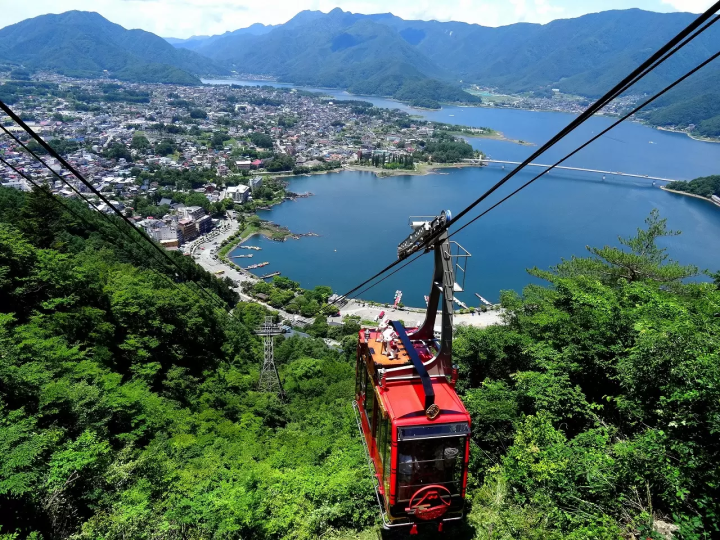
And it gets better: this is a strong stop even if Fuji is shy. The ride itself, the station atmosphere, and the new good-luck theme can still make the visit worthwhile. For Japan enthusiasts, that’s a lesson worth remembering, because not every famous place delivers the same thing every season, and part of the fun is learning how to read a destination’s mood.
Did you know that...? Hakone travel often works best when you combine one big-view attraction with one slower cultural stop, like a shrine or a ryokan lunch. That balance keeps the day from feeling rushed. If you’re studying Japanese, you’ll also notice how often local travel pamphlets use short, friendly phrases, which makes them great reading practice without the pressure of a classroom. Wild, isn’t it?
Basically, the Mount Fuji Panoramic Ropeway’s new good-luck spots are a smart add-on for a region that already knows how to welcome visitors. It’s scenic, practical, and just quirky enough to feel memorable. If you love Japan travel with a bit of depth, this is one to keep on your radar, but that’s not all.
For more updates like this, check more Japan news on jpnerd.com.
In pictures
Frequently Asked Questions
When does the new ropeway feature open?
The new feature opens on 16 July.
Where is the Mount Fuji Panoramic Ropeway located?
It is in the Hakone and Fuji area, one of the most popular scenic regions near Mount Fuji.
Why are the new good-luck spots interesting for visitors?
They add a cultural layer to the view, giving travellers a reason to stop, explore, and enjoy the area beyond the panorama.


