
What many overlook is this: the 500 Series was never just about getting from A to B. It was a statement in steel and electricity, and its 30-year legacy still says a lot about how Japan thinks about rail travel.
500 Series Shinkansen: the train that looked fast before it moved
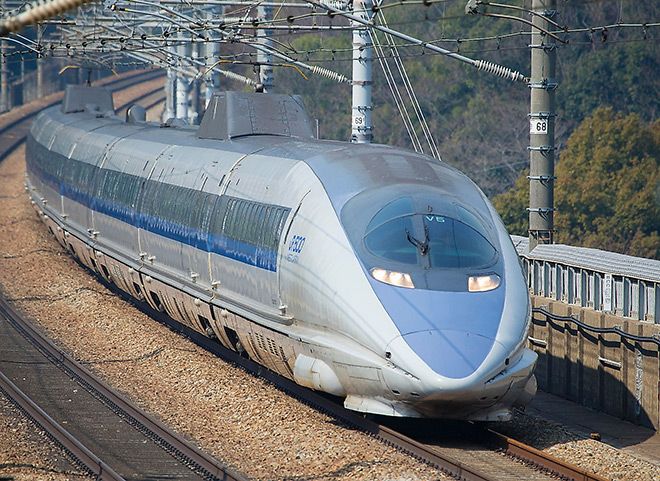
I'm at the point where I have to say this plainly: the 500 Series 新幹線 (Shinkansen, bullet train / high-speed rail) still looks like it came from the future. Long, narrow nose. Clean lines. Blue paint that made every other bullet train look slightly old-fashioned. It was introduced by JR West, and it quickly became one of the most recognisable trains in Japan.

The official story is simple. The 500 Series entered service in 1997 on the Sanyo Shinkansen. The real story is a bit more interesting: it was built to be a high-speed machine first, and a comfortable passenger train second. That order matters. When you see the train's shape, you can tell the engineers had the numbers in their heads. Aerodynamics. Noise reduction. Stability at speed. All of it.
Speaking of which... the 500 Series reached 300 km/h in 1997. That wasn't a symbolic figure. It was the practical top speed for revenue service on parts of the route, and it placed the train among the fastest in regular operation. For Japanese language learners, this is a nice place to learn a simple word: 速い (hayai) means fast. The 500 Series made hayai feel very literal.
Wait, there's more. The train was also a design object. Many people remember it not just for speed, but for the nose, which stretched far forward to cut through air and reduce tunnel boom. That long front end became part of its identity. Sounds weird, but it's true: the shape helped define the emotion people felt when they saw it arrive.
30-year legacy of the 500 Series Shinkansen
Here's the catch: the 500 Series was brilliant, but it was also a product of its era. By the time newer Shinkansen models arrived, the 500 Series had started to look specialised rather than universal. JR West eventually moved it out of the fastest passenger roles and into more limited work. That's not a failure. It's how railway life goes. Trains age, routes change, and technology keeps moving.
What many overlook is how long this train stayed in service. A 30-year legacy is a serious run for any transport system, especially one that began as a headline grabber. The 500 Series has worked on the Tokaido and Sanyo network in different forms, and even after its high-profile passenger years, it continued to carry people and serve the line in practical ways. That kind of afterlife is worth knowing. It tells you something about Japanese engineering: if something is built well, it often gets a second act.
To be fair: the 500 Series was never the most spacious Shinkansen. Its interior layout reflected the technical priorities of the time. But it had something else, and that's appeal. If you were lucky enough to ride it, you probably remember the sense of precision. The doors. The ride. The quiet acceleration. No drama. Just movement. My tip: if you enjoy rail travel in Japan, keep an eye on older Shinkansen stock. The newer trains get the headlines, but the older ones often carry the better stories.



For example: Japan has long treated rail transport as part engineering, part public identity. That is why trains like the 500 Series matter beyond the timetable. They become part of pop culture, photography, and even the way people talk about modernity. And yes, the train's sleek profile made it a favourite with train fans, or 鉄道 (tetsudou, railway) fan, as you'd say in romaji. That's the sort of word that opens doors if you like Japanese travel culture.
Why the 500 Series still matters to Japan fans
It's early morning in Kyoto. Imagine waiting on a platform, coffee in hand, and seeing a 500 Series glide in. It still feels distinctive, even after all these years. That is the point. Not every iconic Japanese machine needs to stay at the cutting edge forever. Some earn their status by lasting, adapting, and remaining instantly recognisable.
Basically: the 500 Series Shinkansen captures a specific moment in Japan's rail history. In the late 1990s, Japan was still proving that it could push commercial rail speed higher without losing the calm, polished experience passengers expected. The 300 km/h milestone was part of that proof. The shape, the service record, the longevity: they all belong to the same story.
Here's the thing: nostalgia can get sloppy. People sometimes remember old trains as if they were perfect. They weren't. They were constrained by the technology and the demands of their time. But the 500 Series was excellent at what it was meant to do. That's enough. And maybe better than enough.
If you're learning Japanese, this is also a neat reminder that transport vocabulary is everywhere. Shinkansen is the obvious one. But terms like 電車 (densha, train), 列車 (ressha, train / railcar set), and hayai show up constantly in magazines, station signs, and conversations with train fans. If you travel in Japan, you won't have to look far. The language is on the platform with you.
My verdict: the last run of the 500 Series is the end of a particular kind of elegance. Not the end of speed, of course. Japan has plenty more of that. But it is the end of a train that made speed look tidy, deliberate, and almost calm. And that's something you might not have known.
Frequently Asked Questions
What is the 500 Series Shinkansen known for?
It is known for its sleek design, high speed, and its role as one of Japan's most iconic bullet trains.
When did the 500 Series reach 300 km/h?
It reached 300 km/h in 1997, the year it entered service on the Sanyo Shinkansen.
Why does the 500 Series still matter today?
Because it represents a major stage in Japan's rail history and remains a memorable symbol of Shinkansen design and engineering.


