The first time you go beyond Tokyo property chat and look at onsen towns, the market starts making a lot more sense. Location, seasonality, and bathing rights can matter as much as square metres, and that’s where the interesting opportunities hide.



Ever wondered why onsen real estate keeps showing up in property conversations about Japan? It’s not just about buying a house near hot water. It’s about a whole local economy built around tourism, overnight stays, second homes, and the timeless appeal of a good soak after a long train ride.
But let’s stick with Hakone, Atami, Niseko, and Beppu for now. These four places are different in climate, buyer profile, and price pressure, yet they all share one thing: onsen culture gives real estate a layer of value that ordinary seaside or mountain property just doesn’t have.
For Japan fans and language learners, this niche is especially fun. You’ll hear words like onsen, ryokan, 観光 (kanko, tourism; sightseeing), and 畳 (tatami, tatami mat) in real listings, hotel brochures, and local conversations, and each one tells you something about how the property will actually be used. My tip: don’t translate too quickly, because the original Japanese often carries the real business meaning.
Hakone and Atami: classic resort markets with steady demand
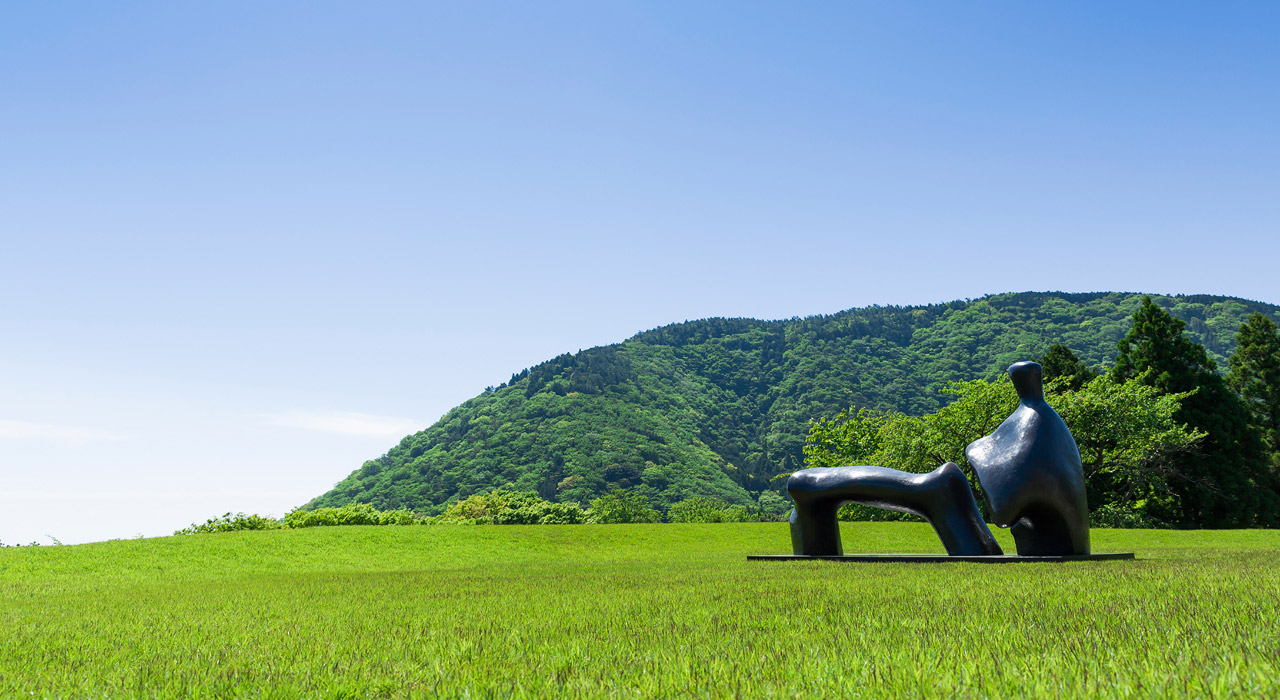
Let me show you why Hakone and Atami are so often mentioned together. They sit within easy reach of the Tokyo area, which makes them natural weekend escapes, and that matters a lot for occupancy if you’re looking at rental use. Hakone, in Kanagawa Prefecture, is famous for its ryokan, art museums, and views towards Mount Fuji, while Atami, in Shizuoka Prefecture, has long been one of Japan’s best-known seaside onsen towns.
Hakone tends to attract a more premium crowd. Properties there often lean towards traditional guesthouses, small inns, or well-located holiday homes, and the appeal is less about sheer volume and more about reliable, high-end demand. No wonder, because Hakone is part of the broader Fuji-Hakone-Izu National Park area, and that brand value is real. A property with strong access to the lake, ropeway, or a popular bath area can hold interest far beyond simple residential use. Personally, that’s the sort of market I’d watch for long-term asset strength.
Atami is a different story. It’s had boom-and-bust cycles, but that can be a good thing for buyers who know where to look. As a 新幹線 (Shinkansen, bullet train)-accessible coastal town, it gets day-trippers, older visitors, and weekend travellers, and the market includes everything from compact apartments to larger buildings with conversion potential. What many overlook is that Atami also has an ageing building stock in some areas, which can create value if you’re prepared for renovation, or risk if you’re not. Convinced yet?
What onsen property buyers should check
Basically: if a property is tied to lodging, you need to check zoning, operating rules, and whether the hot spring supply is legally and practically secure. An onsen source isn’t just a romantic detail, it can be a technical asset, and that means the contract matters. In Japan, you’ll also want to understand words like 建築 (kenchiku, building; construction), 敷金 (shikikin, security deposit), and in some cases 民泊 (minpaku, private lodging; short-term rental), because the difference between a private home and a revenue property can be huge.
Before I forget, many buyers focus on the building and forget the access road, snow removal, and maintenance network. That’s especially true outside the biggest cities, and it can make or break a small hospitality business. Wait, there’s more.
Niseko: global demand, winter income, and hot spring upside
Here's the thing: Niseko is not just a ski story. In Hokkaido, it has become one of Japan’s most internationally recognised resort markets, and that global visibility spills over into property demand. Winter is the obvious peak, but the onsen angle adds another layer, because a ski-and-soak combination is exactly what many overseas visitors want.
And it gets better: Niseko’s real estate market has attracted both domestic and foreign buyers for years, especially around Hirafu and nearby resort zones. New developments, luxury chalets, and branded residences have pushed prices in some pockets far above the regional average. That doesn’t mean every plot is expensive, though. It does mean the gap between prime resort land and peripheral land can be dramatic, so location analysis matters more than hype.



Insider tip: in Niseko, the best value is often not the most obvious property. A site with year-round access, good management, and realistic rental assumptions can outperform a flashy unit that depends too heavily on one strong season. For learners of Japanese, this is a good place to notice how often business talk uses English loanwords, while local contracts still rely on very specific Japanese terms. That mix is pure modern Japan, and it’s easy to miss if you only read translated summaries.
Beppu: the scale play with deep onsen identity
No joke: Beppu is one of the biggest names in Japan’s hot spring world. Located in Oita Prefecture on Kyushu, it has one of the highest counts of hot spring sources in the country, and that identity shapes everything from tourism to land use. If Hakone feels polished and Atami feels coastal and old-school, Beppu feels bigger, more lived-in, and deeply tied to hot spring life.
What I especially like is that Beppu offers a different investment angle because the town’s brand is already so strongly linked to bathing culture. That can support guesthouse demand, long-stay visitors, and redevelopment of older buildings near transport hubs or famous bath districts. The challenge is that not every area benefits equally, and some properties need serious modernisation to meet traveller expectations. Still, if you understand the local market, that can create pricing gaps worth exploring.
For Japanese learners, Beppu is a nice reminder that place names in Japan often come with lifestyle associations. A town is never just a dot on a map; it can imply a certain atmosphere, food culture, and even property type. In that sense, onsen real estate is a language lesson as much as an investment topic. Personally, I think that’s half the fun.
Investment potential: where the niche gets interesting
What many investors want to know is simple: can onsen real estate actually perform? The answer is yes, but only when the income logic matches the location. Short-term stays, ryokan-style operations, and branded resort use can bring strong returns, yet they also bring staffing, compliance, and upkeep costs that ordinary residential owners don’t always expect.
Hakone and Atami often suit buyers who want proximity to Tokyo and a more established domestic tourism base. Niseko is the high-energy international resort bet, with stronger upside in premium hospitality but also higher entry costs in desirable areas. Beppu, meanwhile, can be appealing for buyers who understand value creation through renovation, repositioning, or niche hospitality concepts. Different risk profiles, different stories.
Basically: there isn’t one best onsen market. There’s only the market that fits your budget, your patience, and your operating plan. If you want stable prestige, Hakone is hard to beat. If you want coastal nostalgia and turnaround potential, Atami is worth a look. If you want global resort momentum, Niseko stands out. And if you want deep hot spring identity with room for smart repositioning, Beppu deserves attention. Convinced yet?
My tip: if you’re researching these areas from abroad, start by reading listings in Japanese and noting the vocabulary, then compare that with local tourism data and train access. The words tell you how sellers frame value, and the transport map tells you who can actually arrive. That combination is where the best decisions usually start. Wait, there’s more.
For more Japan news and culture reads, check out more Japan news on jpnerd.com.
Frequently Asked Questions
What makes onsen real estate different from ordinary property?
The hot spring element can add tourism value, but it also brings licensing, maintenance, and operational issues that ordinary homes do not have.
Which of the four areas is best for international buyers?
Niseko often has the strongest international recognition, but Hakone and Atami are easier to connect with from Tokyo.
Is Beppu a good place for hospitality investment?
Yes, especially if you understand local demand and are prepared to renovate or reposition older buildings.