
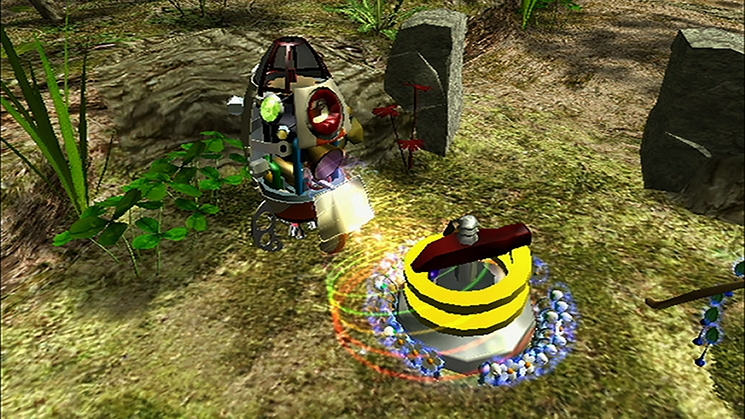
Shigeru Miyamoto has a mission, and it's arguably the most endearing thing happening at Nintendo right now: he wants Pikmin in absolutely everything. In a candid interview held at the newly opened Nintendo Museum in Kyoto, the legendary game designer made no secret of his personal crusade to sprinkle those tiny plant-animal creatures across every corner of the Nintendo universe. If you've ever wondered why Pikmin keep popping up in the most unexpected places, well, now you have your answer.
Miyamoto's Pikmin Obsession: Straight From the Nintendo Museum in Kyoto
No joke: when one of gaming's most influential figures sits down for an interview and casually announces he's on a personal mission to insert Pikmin into every Nintendo product possible, you pay attention. Shigeru Miyamoto, the creative mind behind Mario, Donkey Kong, and The Legend of Zelda, gave exactly that kind of interview at the Nintendo Museum in Kyoto, which opened its doors to the public in October 2024. The museum itself is located in the old Uji Ogura Plant, a former Nintendo playing card factory, and it already tells you something about how seriously Nintendo takes its own history.

In the interview, Miyamoto described his relationship with Pikmin almost like a parent talking about a favourite child. He acknowledged that Pikmin has never quite reached the mainstream sales figures of Mario or Zelda, but that doesn't seem to bother him one bit. What I especially like about this is that it offers a rare glimpse into how a creator's personal attachment to an IP can drive decisions at a major corporation, regardless of commercial logic.
The Nintendo Museum interview was conducted around the time of the museum's grand opening, and it quickly picked up traction in gaming communities worldwide. IGN covered the story in detail, quoting Miyamoto directly on his self-described "mission." Sounds weird, but it's true: one of the most powerful people at Nintendo is essentially lobbying internally for more Pikmin all the time.

What "Pikmin Everywhere" Actually Means in Practice
Ever wondered why Pikmin showed up as the central mechanic in the mobile app Pikmin Bloom, released globally in 2021 by Niantic and Nintendo? Or why Pikmin 4, launched in July 2023 for Nintendo Switch, received such a surprisingly large marketing push for a series that has historically lived in the shadow of Nintendo's bigger franchises? Miyamoto's influence is likely a big part of the answer.
Pikmin in Mobile, Theme Parks and Beyond
Take Pikmin Bloom, for instance. The app encourages players to walk around their real-world neighbourhoods, growing Pikmin through physical activity. It's a clever blend of the game's core theme, which in Japanese is often summarised with the word shizen, meaning nature or the natural world, and Nintendo's push into mobile gaming. The Pikmin characters themselves have a name that blends "pikpik" (a fictional vegetable in the game's lore) with "min," derived from the Japanese word for sprout or bud.
That reminds me: Nintendo's theme park areas inside Universal Studios Japan in Osaka, known as Nintendo World, already feature Mario heavily. But Miyamoto's comments suggest Pikmin could get a much bigger presence in future expansions or merchandise lines. Given that the Pikmin franchise celebrates its 23rd anniversary in 2024 (the original GameCube title launched in Japan in October 2001), it's not a stretch to imagine the little creatures getting their own dedicated corner of the park eventually.




The Numbers Behind a "Smaller" Franchise
Pikmin 4 sold over 3 million copies in its first few weeks after launch in July 2023, making it the best-selling entry in the series by a wide margin. Still, when you compare that to the 13 million copies The Legend of Zelda: Tears of the Kingdom shifted in its first six weeks the same year, you start to understand why Pikmin is sometimes called Nintendo's "cult favourite." Seriously though, 3 million copies is not a failure by any measure, and Miyamoto clearly sees potential that the raw numbers alone don't capture.
Why Miyamoto's Creative Obsessions Matter for Japan Fans and Language Learners
If you're learning Japanese and you love Nintendo, Miyamoto's interviews are genuinely worth reading in their original Japanese where possible. His speech style is often described as warm and philosophical, using relatively accessible vocabulary mixed with occasional industry jargon. The word he tends to use when discussing game design is asobi, which translates roughly as "play" but carries a deeper nuance of joyful experimentation in Japanese culture.
Before I forget, the Nintendo Museum in Kyoto is itself a brilliant destination for Japan fans planning a trip. Kyoto is already packed with temples, shrines, and traditional culture, but the museum adds a very modern, very Japanese pop-culture layer to any itinerary. Tickets are sold via lottery reservation on the Nintendo website, so plan ahead if you want to visit. The address is 1-1 Fukuicho, Uji City, Kyoto Prefecture.

What most people don't know is that Miyamoto's approach to Pikmin connects to a broader Japanese design philosophy sometimes called kaizen, meaning continuous improvement and refinement. Each Pikmin game has quietly expanded its mechanics and emotional storytelling without abandoning the core loop. That kind of patient, iterative creativity is something deeply embedded in Japanese craft culture, from ceramics to game design.
My tip is this: if you want to connect your Japanese studies to real gaming culture, look up Pikmin's Japanese Wikipedia page or the Japanese Nintendo website. You'll encounter useful gaming vocabulary like dobutsu (animal), shokubutsu (plant), and misshon (mission, borrowed from English), all of which appear naturally in Pikmin-related content. From my experience, reading about topics you already love in Japanese is one of the fastest ways to build genuine vocabulary.
No wonder, because Miyamoto himself has always talked about wanting games to feel like a living garden, something that grows and surprises you. Pikmin is the most literal version of that idea. And if he gets his way, those little leaf-headed creatures will be absolutely everywhere at Nintendo for years to come. Not bad, right?
In pictures


Frequently Asked Questions
Where did Miyamoto talk about putting Pikmin into everything at Nintendo?
Miyamoto made these comments in an interview conducted at the Nintendo Museum in Kyoto, which opened in October 2024 in the city of Uji, inside a former Nintendo playing card factory.
How successful is the Pikmin franchise compared to other Nintendo series?
Pikmin 4, released in July 2023, sold over 3 million copies in its first weeks, making it the best-selling Pikmin game ever. While that trails Nintendo's biggest franchises, Miyamoto considers the series a personal priority regardless of sales rankings.
Can Japanese learners benefit from following Pikmin and Nintendo content?
Absolutely. Nintendo's Japanese website, game manuals, and interviews use accessible everyday Japanese mixed with gaming vocabulary. Words like asobi (play), shizen (nature), and misshon (mission) appear frequently and are great entry points for learners.


