
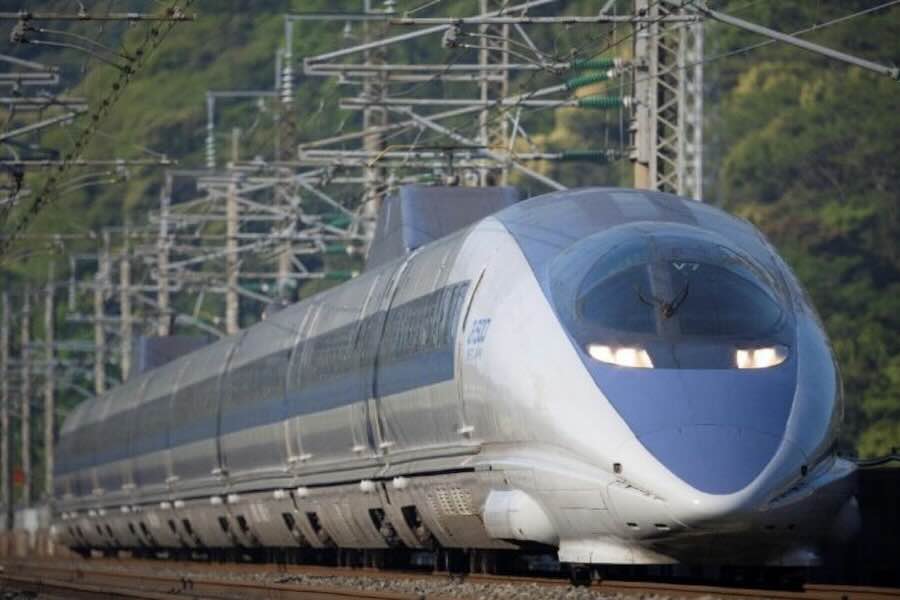
The 500 Series is one of those trains you notice instantly, even if you don’t know much about railways yet. Its sharp nose, bullet-like profile, and sci-fi look made it an icon, and that makes this retirement news hit harder than a normal timetable change.
JR West has set a clear end date for one of Japan's most recognisable high-speed trains. The 500 Series 新幹線 (Shinkansen, bullet train; high-speed rail) will finish its last regular run on 13 January 2027, closing a chapter that began in the mid-1990s and still feels surprisingly modern today.
Compared with back home, where trains often change quietly and disappear from daily life without much ceremony, Japan tends to give these moments real weight. A named train, a final date, a proper farewell, it’s all part of the rail culture, and classic Japan, isn’t it?
The JR West 500 Series Shinkansen, an icon with a sharp silhouette
Here’s the thing: the 500 Series wasn’t just fast, it looked fast. Designed by JR West and introduced in 1997, it was built for the 東海道 (Tokaido, the Tōkaidō; eastern sea route) and 山陽 (Sanyo, the Sanyō; mountain-and-sunlit side) Shinkansen lines, and its long pointed nose became one of the defining images of modern Japanese rail travel.
For example, the train was originally known for its service on the のぞみ (Nozomi, hope; a Shinkansen service name) and later on other runs in the Sanyo corridor. It could reach a top operating speed of 300 km/h, and for its era that was a big deal. The shape wasn’t just for style, either, it was engineered for speed, stability, and lower tunnel boom noise.
What I especially like is how the 500 Series still looks futuristic, even now. A lot of trains age gracefully, but this one feels like it came from an anime opening sequence, and that makes it stand out in photos and rail memories. My tip: if you want to understand why Japanese train fans get emotional about this stuff, look at the 500 Series once, then look at ordinary commuter stock. The contrast says everything.
Why 13 January 2027 matters for rail fans and Japan learners
Before I forget: this is the last regular operation date, not necessarily the last time you'll ever see a 500 Series rolling, but it does mark the end of normal service. That distinction matters to train fans, because special events, preservation moves, or limited appearances can still happen later.
Basically, 13 January 2027 is the day the train stops being part of the everyday rhythm of the railway. And everyday rhythm matters in Japan, because rail travel isn't just transport, it’s part of people’s schedules, school commutes, business trips, and even travel memories. When a train like this retires, it affects the emotional map as much as the timetable.
By the way, Japanese learners can pick up useful vocabulary around this kind of news. Words like 電車 (densha) for train, shinkansen for bullet train, and 最後 (saigo, last; final) for last all come up again and again in railway articles. If you read Japanese news about trains, you'll also see phrases like regular service, final run, and memorial sale-style event wording translated into neat, formal Japanese. Insider tip: rail news is a great way to build reading confidence because the same terms keep returning.



Why the 500 Series still feels special in 2027
A design that became part of pop culture
Trust me on this one: the 500 Series has a kind of visual power that most trains never get. It appeared in model railway sets, magazine covers, toy lines, and countless travel photos, and it even became a symbol of the bold design era of the 1990s. Unlike what we're used to, where older train models often fade into the background, this one kept a strong identity.
Here’s the kicker: its reputation isn’t only about looks. The train also represented JR West's ambition at a time when Japanese rail engineering was pushing hard towards speed, comfort, and technology. That combination of design and performance is why people still talk about it with real affection.
On a related note, this is exactly the kind of topic that helps Japan fans understand how technology and aesthetics often go hand in hand. A train can be practical, and still become beloved. That balance shows up everywhere in Japan, from station 弁当 (bento, lunch box) packaging to camera design, and even in how souvenir goods are presented at shops.
What fans should watch for before the final service
Oh, almost forgot: when a famous train approaches retirement, rail companies often release commemorative goods, limited visuals, or special wraps. JR West hasn't turned this into a public farewell festival at the time of writing, but rail fans will be watching closely as 2027 gets nearer.
For example, photo spots around major Sanyo Shinkansen stations can become popular with enthusiasts who want one last clean shot of the train in normal service. If you're visiting Japan as a rail fan, that can turn into a memorable trip, especially if you combine it with other Kansai or Hiroshima-area plans. This is my absolute hidden gem! A normal platform moment can feel like a mini museum visit when the subject is a train with this much history.
From my experience, retirement news like this is a reminder to travel with a camera, a bit of curiosity, and a sense of timing. Trains come and go, but the best ones leave stories behind. The 500 Series has already done that, and the final regular run on 13 January 2027 will only deepen the legend.
Want to keep up with more rail and travel updates from Japan? more Japan news on jpnerd.com
Frequently Asked Questions
When will the 500 Series Shinkansen end regular service?
JR West says the last regular operation will be on 13 January 2027.
Why is the 500 Series Shinkansen so famous?
Its sharp nose, futuristic look, and high-speed performance made it one of Japan's most iconic trains.
Can rail fans still see the train after that date?
Possibly, but only through special appearances, events, or non-regular use if JR West arranges them.


