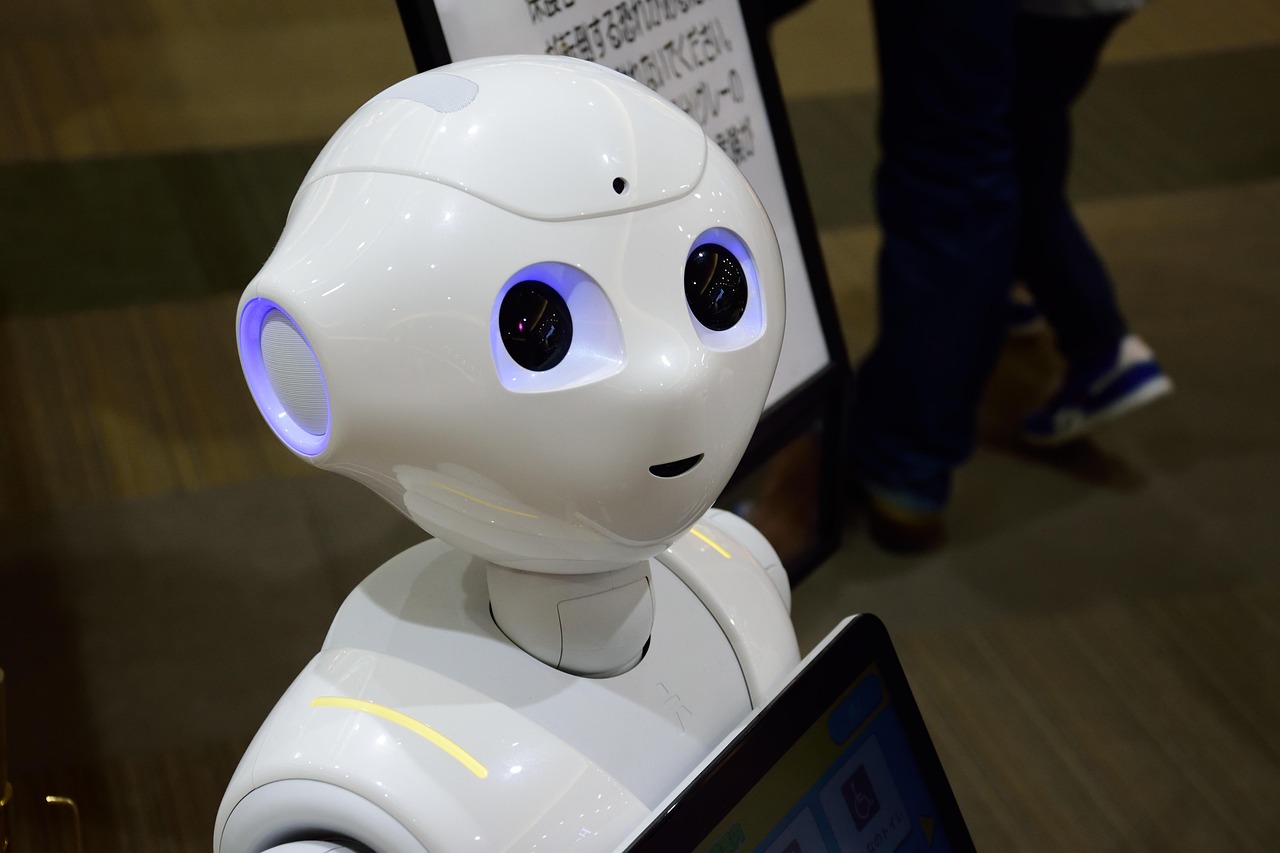
What makes it so compelling is the mix of everyday Japanese life and extreme tech ambition. Speaking of which... if you care about Japan, language, or how robotics might shape daily life, this place is worth a close look.
What does a future city look like when a carmaker builds it from scratch? Toyota Woven City tries to answer that question with a place that’s part neighbourhood, part laboratory, and part social experiment. It opened in September 2025 at the foot of Mount Fuji, in Shizuoka Prefecture, and Toyota is treating it as a live testing ground for robots, mobility, and new kinds of urban living.
From my experience, Japan is at its most interesting when the line between everyday life and technology gets blurred, and this project does exactly that. Residents live there. Engineers work there. Machines move through it. Sounds weird, but it's true.
Toyota Woven City at Mount Fuji: a real future lab
Woven City sits in Susono, a city in Shizuoka Prefecture, on the site of Toyota’s former Higashi-Fuji plant. The location matters. Mount Fuji is not just a postcard backdrop; it gives the project a symbolic weight that feels very Japanese, almost like a modern 部屋 (heya, room) where old and new share the same roof.
What many overlook: this isn’t a finished city in the usual sense. Toyota describes it as a test course for mobility, sensors, connected homes, and robotics. The first phase was designed for roughly 360 residents, with room for more as the site expands. Quick detour: in Japanese, a test bed can be thought of as 試験基地 (shiken kichi, test site / proving ground), and that idea fits Woven City perfectly.
Trust me on this one: the most interesting part isn’t the shiny hardware, it's the way Toyota is trying to turn daily routines into research. A walk, a delivery, a visit to a shared space, each of these can generate data that helps companies improve products and services.
Robots, cameras, and residents: how Woven City actually works
Take the robot layer, for instance. Woven City is expected to use autonomous delivery systems, service robots, and mobility devices that can move through streets built for experimentation rather than legacy traffic patterns. Toyota has also talked about using underground logistics routes, so the surface stays calmer for pedestrians and cleaner vehicles. Wild, isn't it?
Hand on heart: the cameras and sensors are the part that’ll make many people uneasy. The city is built around data collection, and that means constant monitoring of movement, environment, and infrastructure. Toyota says the purpose is safety, efficiency, and development, not surveillance for its own sake, but the balance between convenience and privacy will be closely watched.
Why Japan fans should care
No joke: this is one of the clearest examples of how Japan often approaches the future through precision, planning, and social order. If you’re learning Japanese, this is a great chance to pick up vocabulary tied to daily life and technology. Words like ロボット (robotto), 自動車 (jidosha, automobile), 事故 (jiko, accident), and システム (shisutemu, system) show up all over tech coverage, and the city itself is full of concepts that Japanese media love to discuss.
Oh, almost forgot: the resident side matters too. Woven City isn’t just for tourists or engineers dropping in for a demo. Toyota wants families, researchers, and company partners to actually live there, which makes it more serious than a mock-up and less predictable than a normal suburb. Personally, that’s what makes it worth following, because you can’t fake the complexity of real people using real systems.
Why Toyota built a city instead of just a lab
Why not test this stuff in a warehouse or on a closed track? Because urban life is messy. People don’t move in straight lines, weather changes plans, deliveries get delayed, and technology has to adapt to all of it. Toyota Woven City is designed to capture that messiness, then turn it into usable data for transport, robotics, energy use, and home design.
Speaking of which... the site’s name comes from the idea of weaving people, buildings, and services together. Toyota has used the term woven to suggest a connected fabric, not isolated gadgets. That branding matters in Japan, where names often carry a lot of meaning, just like how ryokan, おもてなし (omotenashi, Japanese-style hospitality), and 舞妓 (maiko, apprentice geisha) instantly bring a whole cultural scene to mind.
Take the housing model, for instance. Residents are expected to live in smart homes equipped with sensors and connected systems. That means the city becomes a place where air quality, energy use, movement patterns, and even daily habits can be measured and adjusted. My tip: if you want to understand where Japan’s urban tech is heading, watch the housing side, not just the robots.
What Woven City says about Japan's future
What most people don't know: Japan’s demographic pressure is one reason this project feels so timely. A shrinking, ageing population means fewer workers, more demand for care, and a bigger need for automation. Toyota Woven City doesn’t solve that on its own, but it does show how a major Japanese company thinks the future might look when labour is tighter and services need to be smarter.
At the same time, it’s easy to romanticise the project. Don’t. A real city is never just a demo. The residents will shape it, bugs will appear, systems will fail, and public scrutiny will grow. That’s exactly why it’s interesting. The polished concept videos are one thing, but the daily rhythm of people living under cameras and alongside robots is where the real story begins.
Know that feeling when a place seems futuristic, yet oddly Japanese at the same time? Woven City has that energy. The careful planning, the technological ambition, the quiet obsession with process, it all feels very Japan. From my experience, that combination is what makes these projects so much more than just headlines.
Frequently Asked Questions
When did Toyota Woven City open?
Toyota opened Woven City in September 2025.
Where is Toyota Woven City located?
It is located in Susono, Shizuoka Prefecture, at the foot of Mount Fuji.
Can people actually live there?
Yes, the city is designed for real residents, not only for demonstrations and research.