
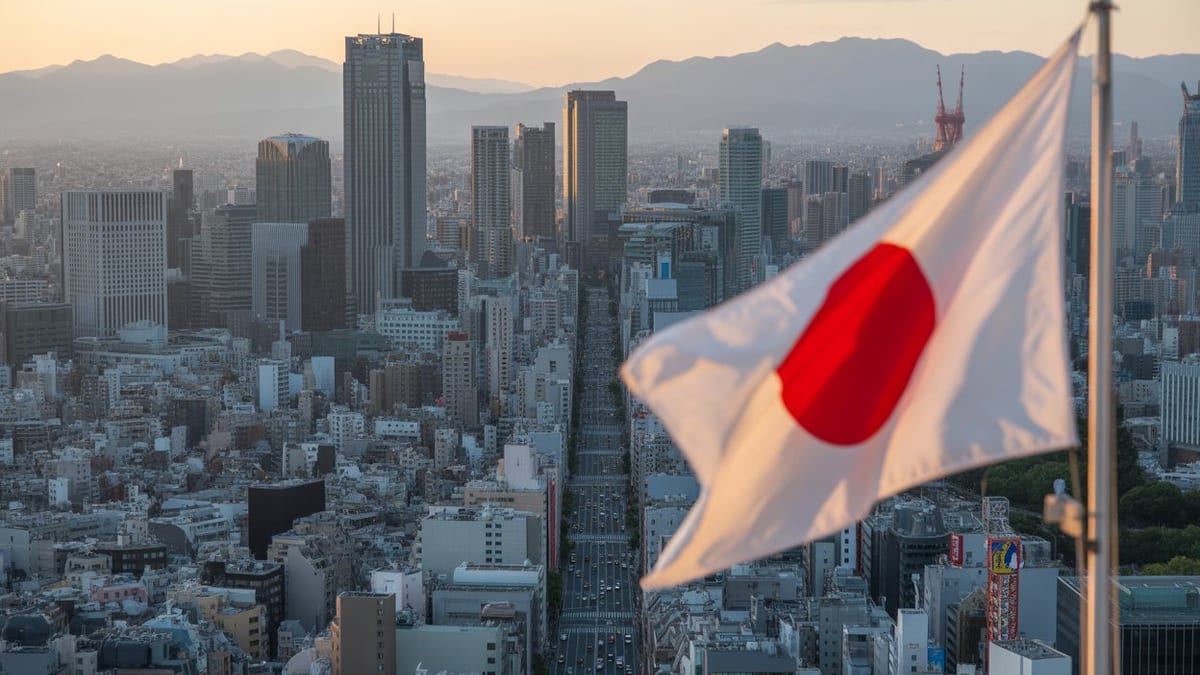
When Too Many Tourists Become a Problem
Picture this: it's 6 a.m. on a weekday in July, and the base of the Yoshida Trail on Mount Fuji is already packed shoulder to shoulder. Climbers in flip-flops, selfie sticks blocking the path, litter left behind on sacred volcanic rock, this isn't a rare bad day. It's been the norm for years.



The Japanese term for this problem, kankо kogai, loosely translates to 'tourism pollution,' and local governments have been using it more and more in official communications. No wonder, because the numbers are staggering. In 2023, Japan welcomed over 25 million international visitors, nearly returning to pre-pandemic levels. Yamanashi Prefecture, home to Fuji's most popular trail, recorded over 220,000 climbers on the Yoshida route in a single summer season.
Kyoto tells a similar story. Residents in the Higashiyama district have put up signs in Japanese and English asking tourists not to enter private alleys, not to eat while walking, and not to photograph geiko (the Kyoto term for geisha) without permission. Some locals have simply stopped going out during peak hours. That's a serious quality-of-life issue, and city officials know it.
What Overtourism Actually Does to a Place
It's not just about inconvenience. Overtourism drives up rents, damages cultural sites, and strains infrastructure built for a fraction of current visitor numbers. In Kyoto, the famous Fushimi Inari Taisha shrine sees roughly 3 million visitors annually. The stone torii gates, which pilgrims have donated over centuries as acts of devotion, are now photographed millions of times a day by people who may not know what a torii even represents.
Fun fact: the word torii literally means 'bird perch' and marks the transition from the ordinary world into sacred space. Knowing that changes how you walk through one, doesn't it? That's exactly the kind of cultural depth Japan wants visitors to engage with, rather than just ticking a landmark off a list. But that's not all.
Japan's Answer: Spend More, Stay Longer
Japan's Tourism Agency and the Japan National Tourism Organization (JNTO) have been quietly but firmly pivoting toward what they call 'high-value tourism.' The goal isn't fewer tourists in absolute terms; it's fewer low-spend, high-impact visitors and more travellers who book ryokan stays, take multi-day cultural experiences, and explore regions beyond the Tokyo-Kyoto-Osaka corridor.
A great example is Yamanashi Prefecture, which introduced a gate on the Yoshida Trail in 2024 that closes at 4 p.m. and charges a 2,000 yen entry fee per climber. The explicit aim was to reduce the infamous 'bullet climbing' phenomenon, where visitors race up Fuji overnight to catch the goraiko (sunrise) and descend immediately without proper gear or preparation. The fee and gate closure aren't just safety measures; they're a soft filter for serious versus casual visitors.
Kyoto has taken a different approach. The city increased the accommodation tax in 2026, with higher rates applying to luxury hotels, and is actively channelling tourists toward lesser-known districts like Nishiki, Fushimi, and the northern Kurama area. The idea is to spread the load, increase revenue per visitor, and protect the most vulnerable cultural zones.
Longer Stays as the Real Goal
Here's where the strategy gets interesting. Japan's average tourist stay sits around 10 days, but the government wants to push that higher, particularly among European and American visitors who tend to spend more on accommodation and experiences. The pitch to high-end travellers includes private tea ceremony bookings, sake brewery tours in Niigata, and multi-night stays at traditional machiya townhouses in Kanazawa.



My tip? If you're planning a Japan trip and want to experience the country beyond the surface level, look into staying in a ryokan for at least two or three nights. The full experience, including kaiseki dinner, onsen bath, and a futon laid out by staff in yukata, is genuinely worth the higher cost and connects you to Japanese hospitality culture, omotenashi, in a way that a business hotel simply can't.
Unlike what we're used to in European tourism models, Japan isn't relying purely on price hikes to thin the crowds. Cultural education is part of the plan. The JNTO has been expanding content in multiple languages that explains local customs, seasonal etiquette, and regional history, because an informed visitor tends to be a more respectful one. See what I mean?
What This Means for Japan Learners and Fans
Guess what? This shift is actually good news if you're learning Japanese or deeply into Japanese culture. The high-yield tourism model rewards exactly the kind of traveller who studies before they go, reads menus in hiragana, asks questions politely using keigo (formal speech), and takes time to understand what they're seeing.
A few kanji worth knowing before your trip are 観光 (kanko, tourism), 混雑 (konzatsu, congestion or crowding), and 滞在 (taizai, stay or sojourn). You'll see these on signs, in news articles, and in conversations with locals who genuinely appreciate when visitors engage with the language even at a basic level.
By the way, Japan's regional tourism boards are increasingly producing content aimed at language learners and culture enthusiasts, including podcast series and YouTube channels that mix travel footage with practical Japanese phrases. This crossover between tourism promotion and language learning is intentional. Japan wants visitors who feel connected to the culture, not just passing through it.
What I especially like about this direction is that it aligns with how most serious Japan fans already approach the country. The community on r/JapanTravel has been pushing back against 'checklist tourism' for years, with threads regularly discussing how to visit responsibly, how to time trips outside of Golden Week, and which rural areas deserve more attention. Japan's official strategy is catching up to what thoughtful travellers were already doing. Wait, there's more.
That brings us to one final point. The yen's relative weakness against major currencies through 2024 and into 2025 has made Japan significantly more affordable for Western visitors, which has turbocharged tourist numbers but also made the high-spend model slightly harder to enforce through price alone. Japan is betting that reputation, experience quality, and cultural depth will do the heavy lifting that price signals alone can't achieve. It's a long game, and honestly, it's the right one.
Frequently Asked Questions
What is high-yield tourism in Japan?
High-yield tourism refers to Japan's strategy of attracting visitors who spend more per trip and stay longer, rather than focusing on raw visitor numbers. This includes promoting ryokan stays, cultural experiences, and travel to lesser-known regions beyond the main tourist corridor.
How is Japan dealing with overtourism at Mount Fuji?
Yamanashi Prefecture introduced a gate on the Yoshida Trail that closes at 4 p.m. and charges a 2,000 yen entry fee per climber. This was introduced in 2024 to reduce 'bullet climbing' and overcrowding, particularly during the summer season.
Is Kyoto trying to limit tourists?
Kyoto has raised its accommodation tax and is redirecting visitors toward less crowded districts like Fushimi and Kurama. The city has also put up signs in tourist hotspots asking visitors to respect local customs and private spaces.


