
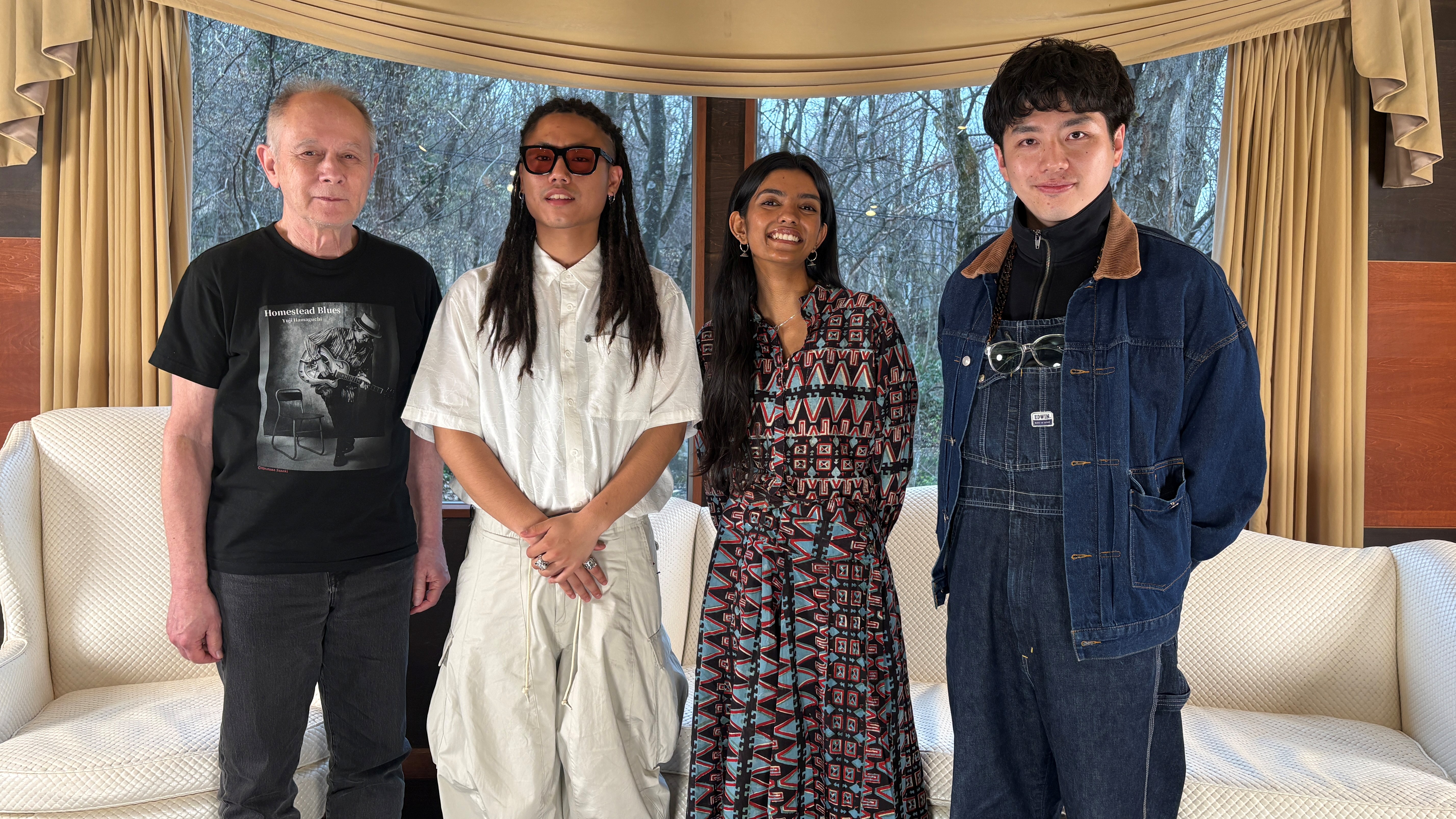
What makes it stand out is the way music journalist Peter Barakan shaped the programme, giving it a curator’s eye rather than a generic festival formula. Wild, isn’t it?
Ever wondered why some Japanese festivals feel like they were built for a very specific crowd, while still welcoming first-timers? ONSEN MAGIC in Zao is exactly that kind of event. It takes place in Zao Onsen, a famous hot spring area in Yamagata Prefecture, and it mixes live music with the atmosphere of a mountain resort that’s been drawing bathers for centuries.
The result isn’t just a concert series with a nice backdrop. It’s a cultural snapshot, one that says a lot about modern Japan, regional tourism, and the way music can be used to reframe a place. If you like Japanese culture and you’re learning the language, this is the sort of event where place names, festival vocabulary, and everyday onsen words suddenly feel alive. See what I mean?
Zao Onsen in Yamagata: hot springs with real atmosphere
Zao Onsen sits in the mountains of Yamagata, in northern Japan, and it’s known for both its sulfur-rich waters and its winter scenery. People come here for the baths, the ryokan stays, and, in colder months, the snow monsters of Zao, the giant frost-covered trees called 樹氷 (juhyo). That mix of natural drama and old-school hospitality is part of why the area feels so distinctive.
What most people don't know is that Zao Onsen isn’t some blank resort zone built yesterday. Its history as a bathing area stretches back well over a thousand years, and the town still feels shaped by that long relationship with hot water. You’ll hear words like onsen, yu, ryokan, and kaiseki in everyday use here, and if you’re learning Japanese, those terms are worth keeping in your pocket. They come up everywhere, from travel blogs to train station signs.
Unlike what we're used to at many music festivals, the setting itself matters just as much as the lineup. The narrow streets, the bathhouses, the wooden inns and the mountain setting all create a mood that changes how you hear the music. Classic Japan, isn’t it?
ONSEN MAGIC and the Peter Barakan curatorship
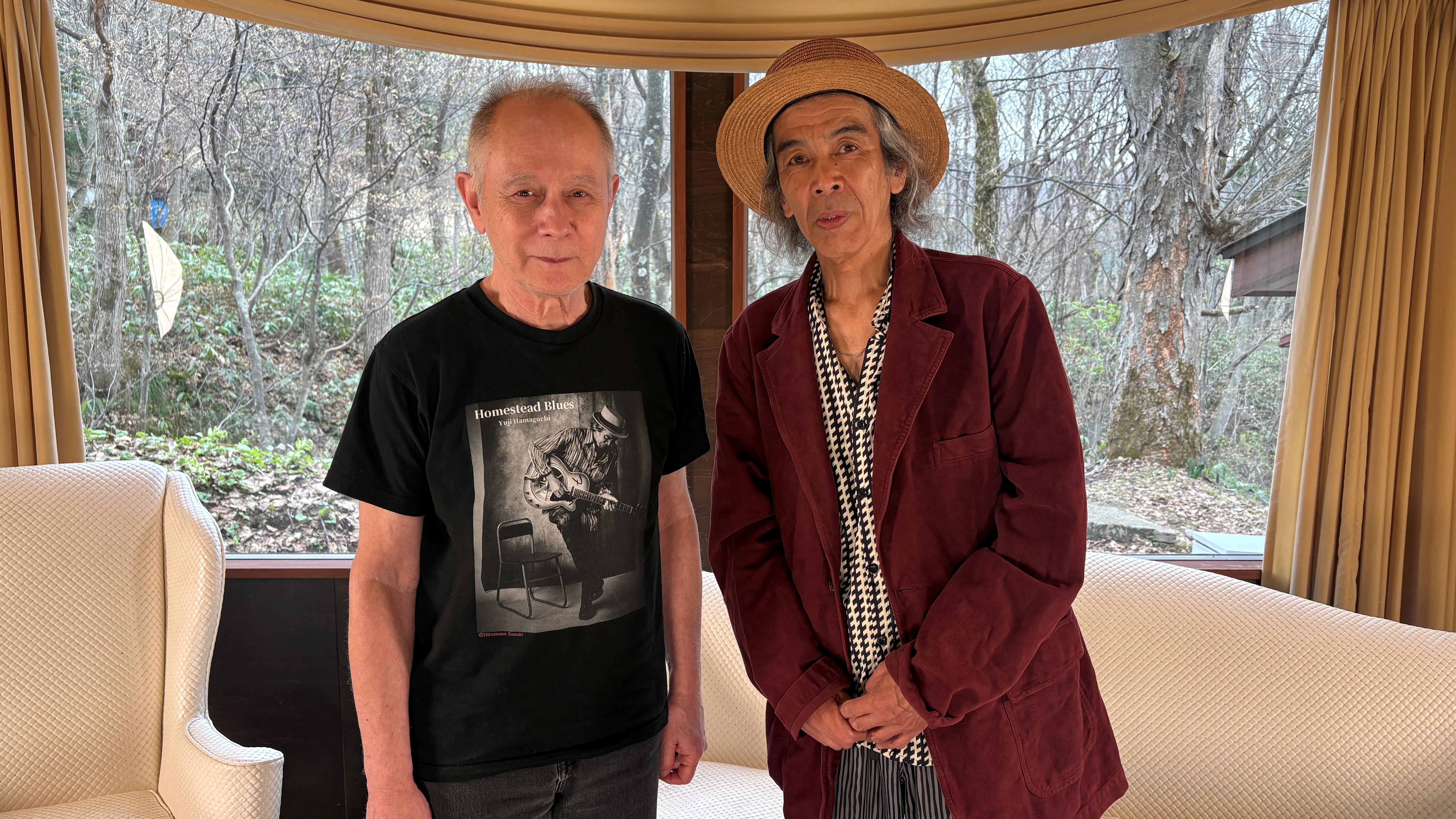
The first time I went to Japan, I was surprised by how often cultural programming is tied to a person with a strong point of view. ONSEN MAGIC works like that. Music journalist Peter Barakan, well known in Japan for his deep knowledge of music and broadcasting, acted as curator, and that makes a huge difference. Instead of a festival built around whatever happens to be available, the event feels selected, edited, and cared for.
Barakan’s name will ring a bell for many Japan fans. He’s been a key voice in Japanese music media for years, and his reputation comes from taste, context, and curiosity, not hype. That matters here, because the festival is about listening, not just consuming content between food stalls. By the way, that kind of curation is something Japanese audiences often trust. A good curator can make a tiny venue or a regional event feel sharper than a giant commercial festival.
Why the curation matters
For language learners, this is also a great example of how Japanese culture often values the naka, the “inside” logic of a scene. A festival like ONSEN MAGIC doesn’t try to please everyone. It speaks to people who enjoy roots music, thoughtful programming, and the feeling that each act belongs in the same story. That’s very different from a huge summer event where the bill is just a long list of names.
No exaggeration: that approach gives the festival a scene charm that you can actually feel in the photos and reports. You get the sense that attendees are there because they care about the music itself, not only because they want a weekend away. From my experience, that’s often what makes a Japanese event memorable. The mood sticks.
Why ONSEN MAGIC feels so Japanese
Let’s be honest: a music festival in a hot spring town is a very Japanese idea, but not in a shallow, postcard way. It connects local place, seasonal travel, and cultural taste in a way that feels practical and elegant at the same time. You go for the music, sure, but you also soak in the bath, eat local food, and stay in a ryokan where the pace of the day changes completely after dark.
Pro tip: if you ever visit an onsen town in Japan, learn a few useful words before you go. Onsen, 露天風呂 (rotenburo, open-air bath), tawashi, 源泉かけ流し (gensen kakenagashi, direct flow from the hot-spring source), and 浴衣 (yukata, casual cotton kimono) will come up fast. Even if you only know the basics, that vocabulary helps you read signs, understand the rhythm of the town, and feel less lost when staff explain bathing rules. My tip is that the more Japanese travel words you learn, the more these places start to open up.
Oh, almost forgot: a festival like this also tells us something about regional Japan. Yamagata doesn’t always get the same attention as Tokyo, Kyoto, or Osaka, but events like ONSEN MAGIC show how strong the cultural identity of a place can be when a good curator and a strong setting work together. The town stops being just a dot on the map. It becomes the point.
Planning a visit to Zao Onsen during festival season
If you’re thinking about visiting, timing matters. Zao Onsen is attractive year-round, but festival season gives it another layer, especially if you enjoy live performance in smaller, more intimate settings. Because it’s a mountain hot spring area, weather can shift quickly, and that affects both travel and outfit choices. Bring layers, comfortable shoes, and enough cash for small local spots, since some places in resort towns still prefer it.
That brings us to the bigger appeal for Japan fans: this is a place where you can combine music tourism with a real onsen experience. Spend the day in the baths, eat 蕎麦 (soba, buckwheat noodles) or regional dishes, then head to a live set at night. The contrast is part of the magic. You’re not just attending a festival, you’re moving through a whole local ecosystem. Sounds good, right?
If you’re learning Japanese, this kind of trip is also excellent practice. You’ll hear polite phrases, bathhouse etiquette, and simple travel language in real life, not just in textbooks. Even a few words, like ありがとう (arigato, thank you), お願いします (onegaishimasu, please; I ask for your favor), and 大丈夫 (daijoubu, okay; all right), can make a big difference when you’re checking in or asking about schedules. That practical side is one reason Japan trips stick with people for years.
Frequently Asked Questions
Where is Zao Onsen located?
It is in Yamagata Prefecture in northern Japan, in a mountain area known for hot springs and winter scenery.
What kind of event is ONSEN MAGIC?
It is a music festival with a carefully curated programme, built around the atmosphere of a hot spring town.
Why is Peter Barakan important here?
He curated the festival, so the lineup reflects a strong editorial taste rather than a generic mass-market approach.


