
I’ve done enough Japan day trips to know that a good order matters. So let’s stick with the classic Hakone flow for now, because it saves time and keeps the day feeling smooth instead of rushed.
Hakone day trip planning gets much easier when you follow a clear route, and this one hits the big names: the Hakone Ropeway, Hakone Shrine, and Oshino Hakkai. If you want a day with mountain views, a famous 鳥居 (torii, shrine gate) gate, and spring-water ponds that feel straight out of a postcard, this is a strong way to do it.
I’ve done enough Japan day trips to know that a good order matters. So let’s stick with the classic Hakone flow for now, because it saves time and keeps the day feeling smooth instead of rushed.
Hakone Ropeway: the easiest way to see the volcano zone
Ever wondered why the Hakone Ropeway is on so many Hakone itineraries? Simple. It links the mountain section of the area without forcing you into a long bus crawl, and the views are the real payoff. The line runs from Sounzan to Togendai, with the stretch from Sounzan to Owakudani being the part most first-time visitors remember best.
Fun fact: the ropeway opened in 1959, and today it covers roughly 4 km. That sounds practical, and it is, but the ride also gives you a proper look at Hakone’s volcanic landscape, especially on clear days when Mount Fuji appears in the distance. If you’re learning Japanese, listen for words like yama for mountain and fujisan for Mount Fuji; they come up everywhere in travel conversations.
Sounzan to Owakudani
Here’s the kicker: the Sounzan to Owakudani section isn’t just transportation, it’s the visual core of the route. Owakudani is the famous volcanic valley formed after the eruption of Mount Hakone about 3,000 years ago, and you can still see steam vents and sulfurous ground from the cabins. The scent can be strong, but that’s part of the experience, and yes, it’s normal.
My tip: don’t rush the Owakudani stop. Grab a black egg, or kuro tamago, if they’re available, and pause for the view. The local legend says one egg adds seven years to your life, which is exactly the kind of playful folklore Japan travel does so well. Sounds weird, but it’s true; people absolutely queue for them.
Before I forget: if you’re visiting in a group tour, check the weather before you go. Ropeway visibility can change fast, and the best photos happen when the sky clears just enough for Fuji to show up. Convinced yet?
Hakone Shrine: lake views, torii gate and quiet shrine culture
After the mountain air, Hakone Shrine brings a completely different mood. It sits near Lake Ashinoko and dates back to 757, which gives it serious historical weight, but the setting still feels calm rather than overly formal. The main approach through the cedar trees is beautiful in any season, and the waterside torii gate has become one of Hakone’s most photographed spots.
That reminds me: shrine etiquette matters, even on a short visit. You’ll usually see visitors purifying their hands at the temizuya, then offering a brief prayer at the main hall. If you want to connect your Japanese study with real life, this is a good place to learn terms like 神社 (jinja, Shinto shrine) for shrine, お守り (omamori, amulet; good-luck charm) for amulet, and 絵馬 (ema) for wooden wish plaques.
But let’s not pretend it’s only about formality. What I especially like is the contrast between the lively tourist energy around the lake and the calm inside the shrine grounds. If you arrive early or later in the afternoon, the atmosphere gets even better. Convinced yet?
What to look for on-site
Look for the giant cedar trees, the long stone staircase, and the smaller sub-shrines tucked into the grounds. The famous lake torii is often crowded, so if you want a cleaner shot, build in extra time or visit when tour buses have moved on. Hakone Shrine is one of those places where 20 minutes can feel too short, especially if you stop to read the signs and compare the 漢字 (kanji, Chinese characters used in Japanese) with your study notes.
Oshino Hakkai: spring ponds and a slower ending to the route
Oshino Hakkai is the final stop that makes this route feel complete. Located in Oshino, Yamanashi Prefecture, it is known for eight ponds fed by clear spring water from Mount Fuji’s snowmelt, filtered through layers of volcanic rock over many years. The setting is quieter than Hakone Ropeway or Hakone Shrine, which is exactly why it works so well as the last chapter of the day.
Insider tip: don’t treat Oshino Hakkai as a quick photo stop only. Walk around the ponds, watch the carp, and try the local snacks if you see them, especially mochi or chilled water-themed sweets in warmer months. It’s early morning in Kyoto. That’s not where you are, of course, but the feeling is similar when a place still has a little mist and fewer people, and the mood stays gentle.
Basically, this is where the route slows down in a good way. You’ve already had the ropeway drama and the shrine calm, so the clear water and rural edge of Oshino Hakkai feel like a satisfying finish. If your Japanese is still beginner level, this is also a nice place to practice simple travel phrases, especially ありがとう (arigato, thank you), ください (kudasai, please), and subarashii when you’re reacting to the scenery. But that's not all.
How to shape the day without feeling rushed
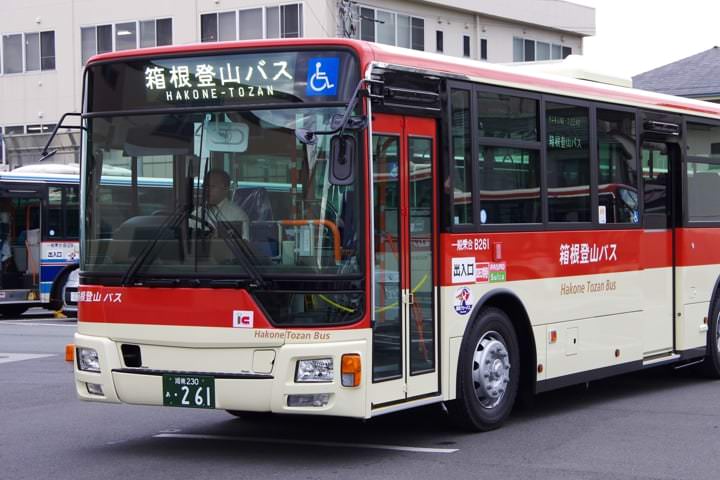
A clean Hakone route usually means starting with the mountain section, then moving to the shrine, then finishing at Oshino Hakkai if your transport line-up makes that possible. If you’re on a guided day tour, check whether the itinerary uses Odakyu, a charter bus, or a mixed transfer plan, because that changes how much time you’ll actually spend at each stop.
For example, a practical full-day schedule might give you about 30 to 45 minutes for the ropeway and Owakudani, around 45 minutes to an hour at Hakone Shrine, and another 45 minutes at Oshino Hakkai. That’s enough to see the essentials, take photos, and still keep your feet happy by evening. My tip: wear shoes you can walk in, because the charm of these places comes partly from moving around them, not just staring from a bus window.
By the way, weather shapes everything here. Clear winter days are excellent for Fuji views, while summer brings greener scenery but also more haze. If you like learning Japanese through travel, pay attention to the seasonal words you hear, like haru for spring and aki for autumn, because local guides use them constantly when describing the same route in different months. Sounds good, right?
If you want more Japan travel and culture coverage, check out more Japan news on jpnerd.com.
Frequently Asked Questions
Is this Hakone route good for a one-day trip?
Yes. The ropeway, Hakone Shrine, and Oshino Hakkai can all fit into one day if you start early and keep transfers tight.
Which stop is best for Mount Fuji views?
The Hakone Ropeway, especially the Sounzan to Owakudani section, usually gives the best chance of seeing Mount Fuji on a clear day.
Do I need to know Japanese to enjoy this trip?
No, but learning a few words like jinja, omamori, and arigato makes the experience more engaging.


