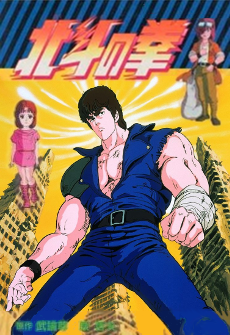
Muscle Gate and Fist of the North Star have collided in the weirdest, most glorious way possible, and yes, it somehow makes perfect sense. A body contest backed by Gold's Gym and Think Fitness is turning 北斗 (Hokuto, Northern Dipper) no 拳 (ken, fist) energy into a real-world stage, and Japan fans will instantly get the joke.


Let me show you why this crossover works so well. Muscle Gate is already a bodybuilding and physique contest brand, but when you attach the world of Hokuto no Ken, better known in English as Fist of the North Star, you get instant nerd appeal. My tip: if you know even a little Japanese pop culture, this is the kind of event where the names alone tell half the story. Convinced yet?
Muscle Gate meets Hokuto no Ken
Did you know that Hokuto no Ken first ran as a manga in Weekly Shonen Jump from 1983 to 1988? The original comic was written by Buronson and drawn by Tetsuo Hara, and the anime version followed from 1984 to 1988. That long tail matters, because Kenshiro and his post-apocalyptic one-hit finisher, お前はもう死んでいる (omae wa mou shindeiru, you are already dead), are still recognised far beyond old-school anime circles.
Muscle Gate tapping into that world is smart branding. It’s not just slapping a famous face onto a flyer. It connects a hard-training physique contest with one of Japan's most macho, muscle-heavy manga icons, and the overlap is obvious the second you see it. The best part: the whole thing feels like a tribute to discipline, size, and theatrical confidence, all wrapped in a very Japanese sense of excess. But that's not all.
Why the crossover hits so hard
Trust me on this one: bodybuilding and Hokuto no Ken share the same visual language. Big shoulders, dramatic poses, stern stares, and a little bit of over-the-top bravado. In Japan, that kind of exaggeration is part of the fun, whether you're watching pro wrestling, reading manga, or cheering at a stage contest.
A great example: even the name Hokuto no Ken has strong cultural weight for Japanese learners. Hokuto means the Northern Dipper, ken means fist. So the title already sounds like a mythic martial arts brand. If you're studying Japanese, spotting those parts in other contexts trains your eye to break compounds apart. From my experience, that kind of vocabulary recognition is far more useful than memorising single words in isolation. Convinced yet?
Body contest culture in Japan
Know that feeling when a fitness event suddenly looks more like a live-action anime poster? That is basically the appeal here. Body contests in Japan have grown alongside the country's gym culture, supplement market, and social media obsession with form, symmetry, and stage presence. But they also keep a strong performance element, especially when sponsors and themed collaborations get involved.
Gold's Gym and Think Fitness give the announcement extra credibility. Gold's Gym is a global brand, but in Japan it has long had a visible presence in major cities, especially Tokyo and Osaka, where serious lifters, celebrities, and casual gym-goers all end up sharing the same spaces. Think Fitness, meanwhile, is tied to Japan's broader fitness and training scene, which often blends American-style gym culture with local polish and event production. And it gets better: that blend is exactly what makes a crossover like this feel natural instead of forced.
Why sponsors matter here
Here's the catch: a themed contest only works when the organiser can make it look real, not gimmicky. That is where established names matter. When a competition is backed by recognisable fitness brands, it sends a signal that the event is serious about athlete quality, stage setup, and audience experience.
That also helps explain why Japan can pull off oddball collaborations so well. There is a deep respect for presentation, from concert halls to 祭り (matsuri, festival) stalls to sports events. Even a body contest can borrow that same spirit. A great example: a room full of judges, spotlights, and competitors can feel a lot like an anime scene if the framing is right. That makes the whole project feel less random and more like classic Japan media culture in action. But that's not all.
What Japanese learners can take from this
And it gets better: this kind of news is gold for Japanese learners. You get real-world vocabulary, brand names, and cultural shorthand in one shot. Words like kinnikuman for muscular build, 体型 (taikei, physique; body type) for physique, and contesto as a loanword pop up all the time in fitness and entertainment coverage. If you read Japanese event announcements regularly, you start noticing how often katakana and punchy kanji work together.
My tip: try translating a short event description yourself, then compare it with the official wording. You’ll pick up tone, not just vocabulary. That matters, because Japanese promotional copy often leans into hype without sounding sloppy. Fun fact: even when the subject is serious training, the language can still feel playful, especially when a manga property is involved.
That reminds me: Japan's best crossovers often live in this middle space between sincerity and joke. This isn't just fan service for anime nerds, and it isn't just a fitness ad either. It is both, and that is why it works. If you love Japan news that sits slightly off-centre, this is my absolute hidden gem! From my experience, the strangest announcements are often the ones that teach you the most about how Japan blends commerce, nostalgia, and style. Convinced yet?
Frequently Asked Questions
What is Muscle Gate?
It is a bodybuilding and physique contest brand in Japan, focused on stage performance and fitness competition.
What is Fist of the North Star?
It is the English title of Hokuto no Ken, a hit manga and anime series from the 1980s.
Why does this crossover make sense?
Both bodybuilding and Hokuto no Ken rely on strong visuals, dramatic posing, and a bigger-than-life sense of style.