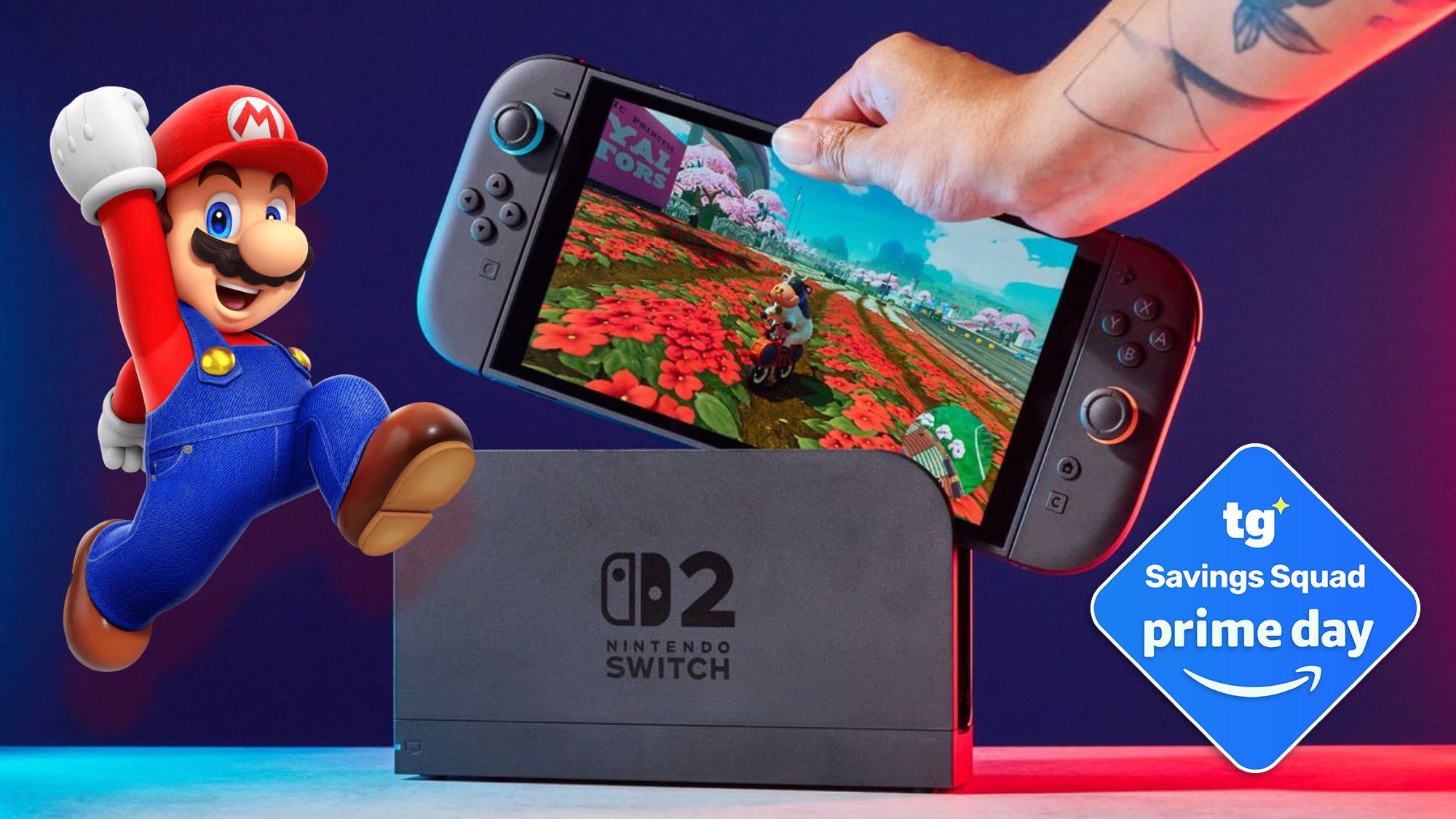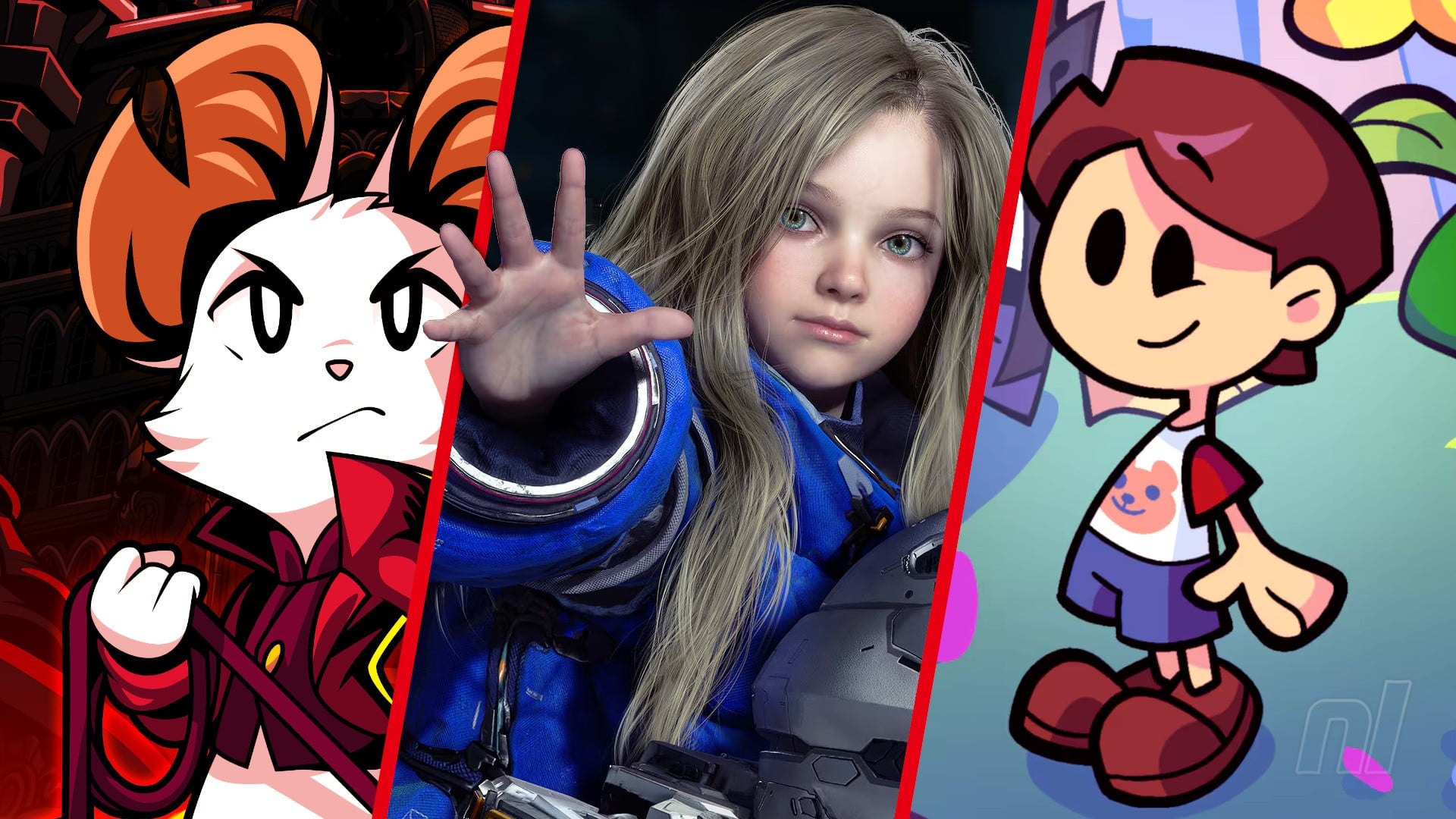
And yes, Japan fans have a lot to watch here. From Monster Hunter culture to the way Japanese players talk about smooth controls, polish, and replay value, the Switch 2 race feels very familiar, a bit like a crowded summer 祭り (matsuri, festival) where everyone’s got a favourite stall.
![Dragon Ball Z: Kakarot [Master Edition]](https://s.pacn.ws/1/p/1eh/dragon-ball-z-kakarot-master-edition-908785.1.jpg?v=t8ja8t&width=400)
![Startup Company [Console Edition] (Limited Edition)](https://s.pacn.ws/1/p/157/startup-company-console-edition-limited-edition-741799.16.jpg?v=ry4mm8&width=400)
![Startup Company [Console Edition]](https://s.pacn.ws/1/p/157/startup-company-console-edition-741779.10.jpg?v=ry4ngq&width=400)
Switch 2 Game of the Year conversations are moving fast, and that makes sense. The console is still new enough that every strong release feels bigger than it would on an older system, yet the early favourites are already separating themselves from the pack.
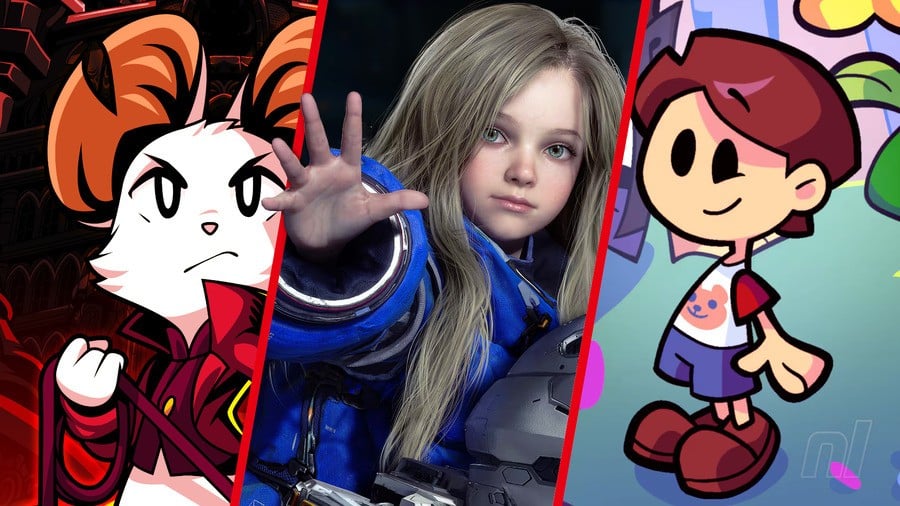
Take the current debate on NintendoLife, for instance. Fans aren’t just voting for the biggest name, they’re judging performance, originality, and whether a game feels like something you want to boot up again after a long day. That mix is exactly why Capcom keeps coming up, and it’s also why this discussion feels so lively. Convinced yet?
Why Switch 2 Game of the Year talk feels different this time
It’s early morning in Kyoto, and that’s the mood I get from this whole debate: calm on the surface, busy underneath. Switch 2 arrived with huge expectations, because Nintendo launches are never just about hardware, they’re about the first wave of games that define the machine’s identity.
Compared with back home, where “best game of the year” often turns into a numbers race, Japanese players tend to care a lot about feel. Does the game load quickly? Is the frame rate stable? Can you play for 20 minutes on a train ride and still feel satisfied? Those are real factors, especially for people who grew up with handheld play and still treat portable gaming as part of daily life.
The current early discussion also reflects how people consume games now. A single strong release can live for weeks in clips, polls, and rankings, then suddenly become the standard everyone measures against. That brings us to one reason the Switch 2 conversation is so interesting: the games that win here won’t just be popular, they’ll need to be replayable, technically solid, and easy to recommend to friends.
Capcom and the Switch 2 Game of the Year race
Let me show you why Capcom keeps getting mentioned. The company has a long track record of delivering games that fit Nintendo audiences well, especially when action, timing, and monster-sized spectacle are involved. Monster Hunter Rise, released in 2021, was a huge success on Switch, and it showed how well Capcom can adapt its design to Nintendo hardware and player habits.
While we’re at it, Capcom’s strength is consistency. Even when its games are different genres, there’s usually a clear sense of polish, strong feedback, and systems that reward practice. That matters a lot for Game of the Year talk, because the best contenders are rarely the flashiest ones. They’re the games people keep talking about after the first weekend.
A great example: Monster Hunter as a series works because it creates habits. One hunt turns into three, then you start checking armour builds, then suddenly you’re reading weapon guides in the evening with a cup of 抹茶 (matcha, matcha; powdered green tea) beside you. That kind of loop is gold for Switch 2, because it suits both short sessions and deep obsession. From my experience, that’s the exact recipe for a true yearly favourite.
Why Japanese fans give Capcom extra weight
There’s also a cultural reason Capcom lands so well with Japan-focused players. Monster Hunter isn’t just a hit franchise, it’s part of gaming life in Japan, from cafe discussions to friend groups planning co-op nights. The franchise has sold over 100 million units worldwide, and that scale gives any new Capcom release serious credibility before review scores even arrive.
My tip: when you’re following the Switch 2 race, watch how Japanese players discuss the game rather than only the headline score. Words like 面白い (omoshiroi, interesting; fun), 強い (tsuyoi, strong), and 良かった (yokatta, was good; glad) come up a lot, and they often point to the practical things that matter most, whether the game feels strong, fun, and worth repeating. See what I mean?
What could actually win Switch 2 Game of the Year
I still remember exactly how fast opinion can change after one standout week. A game can look strong on paper, then one update, one viral clip, or one surprisingly deep mechanic pushes it ahead of everything else. That’s why the Switch 2 conversation feels open, even if a few names are already getting more attention than others.
For a Game of the Year winner, three things usually matter most on a new console: first, it has to feel essential on that platform, not just available on it. Second, it needs enough depth to survive repeated play. Third, it has to generate discussion across communities, from Japanese-language YouTube channels to international forums and local game shops in places like Osaka and Tokyo.
Before I forget: a Switch 2 Game of the Year candidate from Capcom doesn’t need to be the biggest blockbuster ever made. It needs to be the game people keep defending, keep replaying, and keep telling their friends to try. That’s my absolute hidden gem! Highly recommended:
What Japanese learners can take from this debate
Imagine a narrow alley in Tokyo, with a small game cafe tucked behind a ラーメン (ramen, ramen noodles) shop. That’s where these conversations make sense to me, because game talk in Japan often blends with everyday language, and it’s a fun place for learners to listen for useful expressions.
For example, if you read Japanese comments about a strong release, you might see phrases like 最高 (saikou, the best; 최고), 簡単 (kantan, easy; simple), muzukashii, or yarisugita. Those are simple words, but they reveal how people judge games in practice. A title that feels “saikou” isn’t just good, it feels worth your time, your money, and maybe even your late-night schedule.
Pro tip: if you want to improve your Japanese while following Switch 2 news, use the same game across two languages. Read an English review first, then skim Japanese comments or a Japanese preview. You’ll start noticing how people describe the same feature with different priorities, and that’s a very natural way to build vocabulary. From my experience, it works better than memorising word lists.
Frequently Asked Questions
What makes a Switch 2 game a Game of the Year contender?
It usually needs strong performance, replay value, and enough discussion around it to stay in the spotlight for months.
Why is Capcom so often mentioned in these debates?
Capcom has a strong track record with polished action games and long-running series that fit Nintendo audiences well.
Can Japanese learners follow game news to improve their language?
Yes. Reading game comments and reviews is a practical way to learn everyday vocabulary and natural sentence patterns.
If you want more updates like this, check out more Japan news on jpnerd.com.