Let me show you why this matters, not just for Final Fantasy fans, but for anyone who likes Japanese game culture, big studio storytelling, and the way a single announcement can light up the whole JRPG scene. Sounds good, right?


Final Fantasy VII Revelation and the end of the trilogy
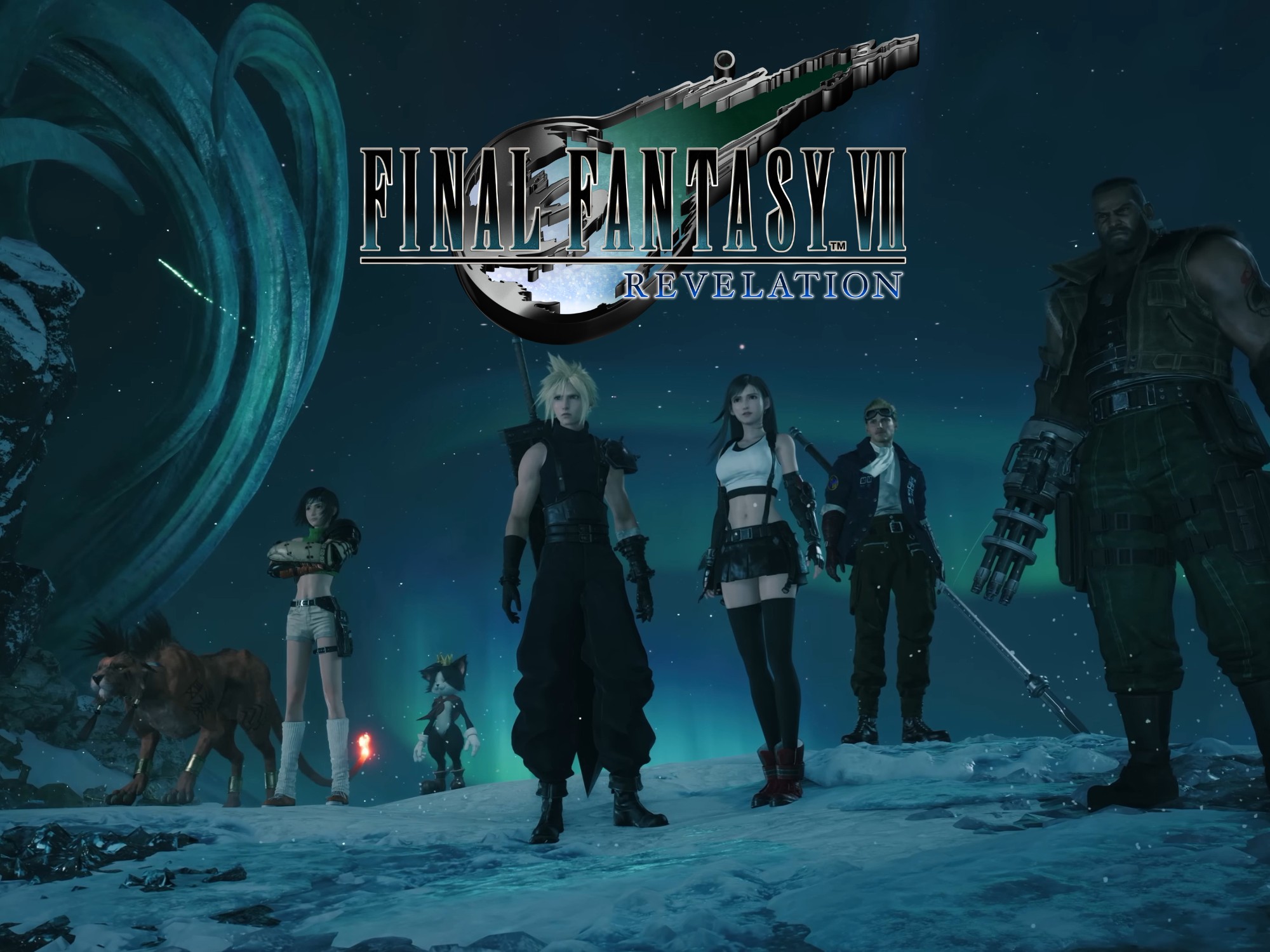
Final Fantasy VII Revelation is the official title for the third and final part of Square Enix's modern Final Fantasy VII remake trilogy, and that alone makes this one of the most important JRPG announcements of the year. The reason is simple: fans have already spent years with Final Fantasy VII Remake, then Final Fantasy VII Rebirth, and now they finally know the story is heading towards a finish line.
Spring 2027 is the current release window, and that’s not a vague teaser anymore, it’s a concrete sign that development is moving towards completion. Basically, if you’ve been following Cloud, Aerith, Tifa, Sephiroth, and the whole Midgar-to-worldwide saga, this is the point where the long wait starts feeling real. My tip: if you’re learning Japanese, this is a great moment to pay attention to game-related words like 最後 (saigo, letzte; final) for “final,” and 終い (shimai, Ende; Schlusskapitel) for “closing chapter,” because franchise news often uses that kind of language. Wait, there's more.
Why spring 2027 is such a big deal for JRPG fans
Ever wondered why a release window can matter almost as much as a trailer? With major Japanese RPGs, timing tells you a lot about confidence, scope, and how much of the project is already locked in. When Square Enix says spring 2027, it suggests the studio has a clear path for polishing, testing, and final story work, which is reassuring after the long cycle between remake entries.
Seriously though: this trilogy has been a massive undertaking. Final Fantasy VII Remake launched in 2020, Final Fantasy VII Rebirth arrived in 2024, and now the final chapter is officially on the horizon. That gap matters, because it shows how modern AAA JRPGs are built, with huge voice casts, orchestral music, cinematic cutscenes, and layered combat systems that take years to finish. No wonder, because Square Enix isn't just making a sequel, it’s trying to land one of the most famous stories in game history. Sounds good, right?
A release window that feels specific, not symbolic
Hand on heart: I prefer a solid seasonal window over a fake-hype trailer with no date at all. Spring 2027 gives players something to circle on the calendar, and it also tells retailers, fans, and the media how far ahead the marketing machine is already running. For a game of this size, that’s a meaningful signal.
Here’s the catch: spring in Japan usually means March to May, which lines up with one of the busiest and most symbolic times of the year. Cherry blossoms, school and work changes, new beginnings, all of that gives the season a strong cultural feel. Game launches in that period often get extra attention because they fit the mood of starting fresh. My verdict:
Final Fantasy VII Revelation, Japanese game culture, and language learning
Guess what? Big game announcements can be surprisingly useful for Japanese learners. If you follow Square Enix news, trailers, and interviews, you’ll keep seeing practical vocabulary in context, from 発売 (hatsubai, Veröffentlichung; Verkaufsstart) for “release” to 最終 (saishu, final; abschließend) for “final.” That’s a lot more memorable than flashcards alone, because the words are attached to something you actually care about.
Here's the thing: Final Fantasy is also a great gateway into how Japanese pop culture travels globally. The franchise was born in Japan, but it has long been part of the shared language of gamers everywhere. If you love Japan travel, anime, or manga, you already know that many fans first connect with Japanese culture through games, then start noticing place names, honorifics, and social habits in the stories themselves.
What I especially like: Square Enix keeps the trilogy naming clean and dramatic. Final Fantasy VII Remake, Rebirth, Revelation, each title sounds like a chapter heading in a classic epic. That style is very Japanese in spirit, because it respects the weight of each stage in the journey. And yes, it’s also very smart branding. My tip: when you see Japanese game titles, try translating them literally, it helps you understand the tone immediately. Wait, there's more.
What to expect from the final chapter
As the third part of the trilogy, Final Fantasy VII Revelation has a lot to deliver. It needs to finish major character arcs, resolve the larger conflict, and still leave room for the kind of emotional payoff that made Final Fantasy VII legendary in the first place. That’s not a small job, and it explains why fans are already discussing theories, battle systems, and story changes across forums and social media.
The biggest question is how Square Enix will balance nostalgia and surprise. Rebirth already showed that the remake project is not just repeating the original beat for beat, it’s reworking familiar moments with a modern scale. So Revelation will likely face the toughest challenge of the trilogy, because it has to satisfy longtime fans while standing on its own as a fresh, modern JRPG finale.
For Japan fans, this is the kind of release that becomes part of the yearly calendar. People watch for trailers at events, discuss voice actors, compare collector's editions, and track store campaigns in Japan and overseas. If you’ve ever browsed a ryokan booking site, compared train routes, or planned a 桜 (sakura, Kirschblüte) trip, you know the appeal of a fixed window, it turns vague interest into a real plan. My verdict:
Why jpnerd readers should keep an eye on this one
Final Fantasy VII Revelation is more than just another sequel, it’s a major JRPG milestone with a clearly stated spring 2027 target. For fans of Japanese games, that means the trilogy is finally entering its last stretch, and for learners, it’s another reason to stay plugged into Japanese media language in a natural way.
Seriously though: if you want to build your Japanese around things you already enjoy, game news is one of the best places to start. Read short announcements, listen for recurring words, and notice how Japanese brands frame excitement. It’s practical, and it keeps learning fun, which is half the battle. Hand on heart:
For more updates like this, check out more Japan news on jpnerd.com.
Frequently Asked Questions
When is Final Fantasy VII Revelation expected to release?
The current release window is spring 2027.
What is Final Fantasy VII Revelation?
It is the third and final part of Square Enix's Final Fantasy VII remake trilogy.
Why are fans excited about this announcement?
Because it gives the trilogy a clear finishing window and moves the story towards its conclusion.