
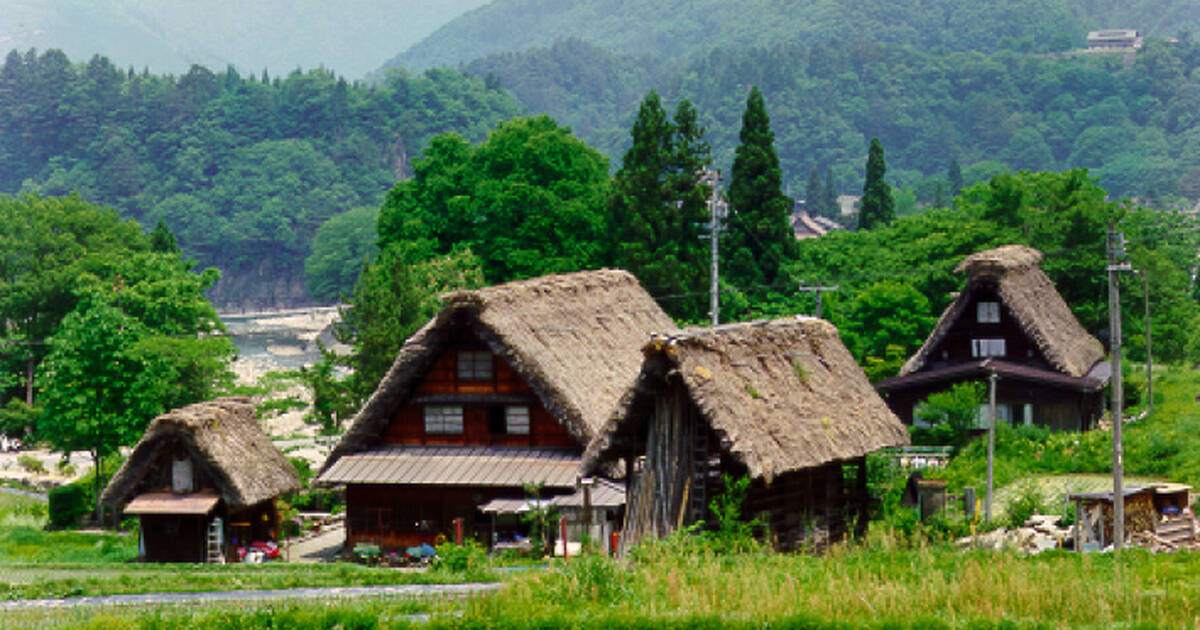
If you love Japan travel, architecture, and winter scenery, Shirakawa-go is the kind of spot that sticks in your head for years. No exaggeration: it’s photogenic in every season, and winter makes it look almost unreal.
Shirakawa-go is one of those places that makes you slow down without even trying. The first time I went to Japan, I expected neon, trains, and city noise, but villages like this reminded me that rural Japan can be just as memorable. Set in the mountains of Gifu Prefecture, Shirakawa-go is famous for its 合掌造り (合掌 (gassho, praying hands)-zukuri, praying-hands style construction) houses, and they’re not just pretty roofs, they’re a clever answer to snow, family life, and hard winters.
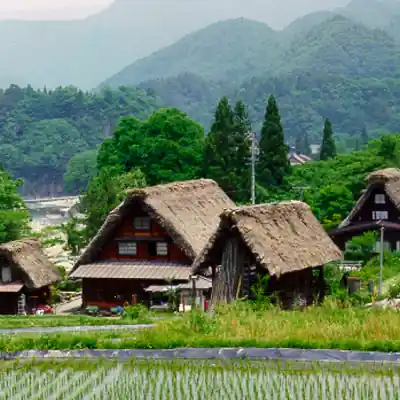
While we’re on the subject, the village is part of the UNESCO World Heritage Site called Historic Villages of Shirakawa-go and Gokayama, listed in 1995. That status helped protect the area, but it didn’t turn it into a theme park. People still live here, and that matters. The reason is simple: Shirakawa-go is not a set, it’s a working community with rice fields, guesthouses, local shops, and real houses that have adapted over centuries.
For Japanese learners, this is a great place to notice how architecture and daily life connect. Words like 家 (ie, house), 村 (mura, village), 雪 (yuki, snow), and 屋敷 (yashiki, mansion; estate) come up fast when talking about the village. Even the famous roof style has a meaning behind it, since gassho means “praying hands”, and the steep roofs really do look like palms pressed together. Sounds odd, but it’s true.
Why Shirakawa-go’s Gassho-Zukuri Houses Matter
What most people don't know is that the gassho-zukuri style isn’t decoration, it’s engineering. The roofs are built with a very steep pitch, often around 45 to 60 degrees, so heavy snow slides off instead of piling up. In a place that can get serious snowfall, that shape is survival, not style.

The most famous houses in Ogimachi, the main village in Shirakawa-go, can be enormous. Some have three to four storeys, with upper floors once used for silkworm raising, storage, and farm work. This mix of domestic and agricultural space is a strong reminder that traditional Japanese homes were often practical to the core. Classic Japan, isn't it?
Wood, rope, and community labour
Unlike what we're used to in modern cities, these houses weren’t made by one person and a stack of shop-bought materials. They were built with local timber, tied together with ropes, and maintained through yui, a community labour system where neighbours helped each other raise and repair homes. That social side is just as important as the architecture itself. And there’s more.
When a roof needs replacing, it can take dozens of people working together. That process keeps old skills alive, and it also shows how village life in Japan has long depended on cooperation. If you’re learning Japanese, yui is one of those cultural words that says a lot in very few syllables.
Shirakawa-go in Winter: The Famous Snowy View
Imagine a narrow alley in Tokyo. Now swap the traffic for silence, steep roofs for white snow, and city lights for warm windows in the mountains. That’s the winter mood in Shirakawa-go, especially when the whole village is blanketed in snow.

The village is most famous online for its winter illumination events, when selected nights turn the scene into a postcard. These events are limited and often require advance booking, so don’t assume you can just show up and expect the perfect view. Seriously though, if you want the famous snow photo, plan ahead, because winter in Gifu is beautiful but it’s not casual.
My tip: stay overnight in a minshuku or ryokan if you can. Day-trippers often leave before sunset, but the village feels completely different after dark. With fewer crowds and snow reflecting every light, the whole place becomes calmer, almost cinematic. Simply brilliant.
Best seasons for photos
Winter gets the attention, but spring and autumn are strong too. In spring, the contrast between pale green rice fields and dark timber houses is excellent. In autumn, the surrounding mountains add colour, and the village looks less dramatic than winter, but more textured and lived-in. On a related note, that’s part of its appeal, because Shirakawa-go doesn’t rely on one season to stay interesting.
No exaggeration: if you’re into travel photography, you can spend hours just moving a few metres at a time. Every bridge, field edge, and hillside angle gives you a different frame. The village is small, but the views keep changing. Sounds good, right?

Village Life, Preservation, and How to Visit Well
Shirakawa-go isn’t frozen in the literal sense, even if that’s how many travel photos make it look. The village has about 1,500 residents in the broader Shirakawa area, and preservation rules help protect the landscape, building style, and atmosphere. That means new construction has to fit the local character, which is one reason the place still feels consistent from one street to the next.
That brings us to responsible travel. Stay on marked paths, don’t wander into private gardens, and treat the homes like someone’s home, because they are. If you’re taking photos, remember that people live here year-round, not just in the tourist season. My verdict: the best visits are the quiet ones, when you can look at the roofs, hear the snow, and appreciate how much knowledge is packed into every beam.
What I especially like is that Shirakawa-go teaches you that Japanese tradition is often less about freezing the past and more about keeping useful ideas alive. The houses survived because they worked, and they still work because the village keeps adapting. That’s a strong lesson for Japan fans and language learners alike, especially if you’re interested in how culture survives through daily habits rather than slogans.
If you want to continue reading about Japan travel and current stories from the country, more Japan news on jpnerd.com.
In pictures

Frequently Asked Questions
Where is Shirakawa-go located?
It is in Gifu Prefecture, in central Japan, in a mountain valley known for heavy snowfall and traditional farmhouses.
Why are the roofs so steep?
The steep angle helps snow slide off quickly, which protects the houses during long winters.
Can people still stay overnight there?
Yes, you can stay in some guesthouses and inns, and overnight visits are often the best way to enjoy the village after the day crowds leave.

