If you follow Japanese anime merchandise, you already know the appeal: a clear concept, beloved characters, and that little thrill of trying your luck online. Sounds weird, but it’s true.


Re:Zero and the appeal of a clean merchandise concept
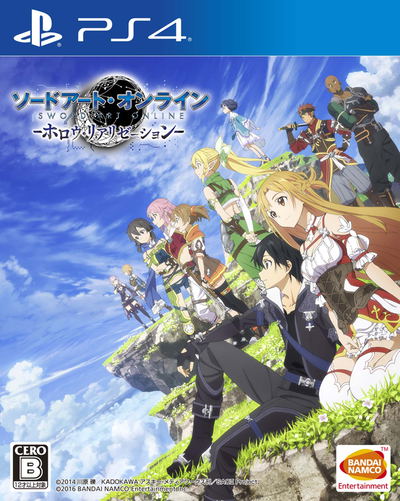
Re:Zero, or Re:Zero kara Hajimeru Isekai Seikatsu, has always been strong when it comes to character merchandising. The story first appeared as a web novel in 2012, then reached a much wider audience through the light novels and the 2016 anime adaptation by White Fox. Since then, Subaru, Emilia, Rem, Ram, and the rest of the cast have stayed very active in the merch world.

This new online くじ (kuji, lottery draw; raffle) from Kadokawa works because the theme is so easy to understand. It’s a sweets lineup, so you get characters styled around dessert-friendly visuals, pastel colours, and that cosy cafe feeling Japanese fans love. My tip: when a campaign has one clear idea, it usually feels more collectible and less like random licensed goods. From my experience...
Unlike what we’re used to with some anime collaborations, this one doesn’t feel cluttered. It has a simple hook, and that’s exactly why it stands out. Japanese merch often succeeds when it gives fans a mental image instantly, and here that image is basically, "favorite girl, sweet treats, limited lottery." Classic Japan, isn’t it?
Emilia, Beatrice, and Anastasia take the lead
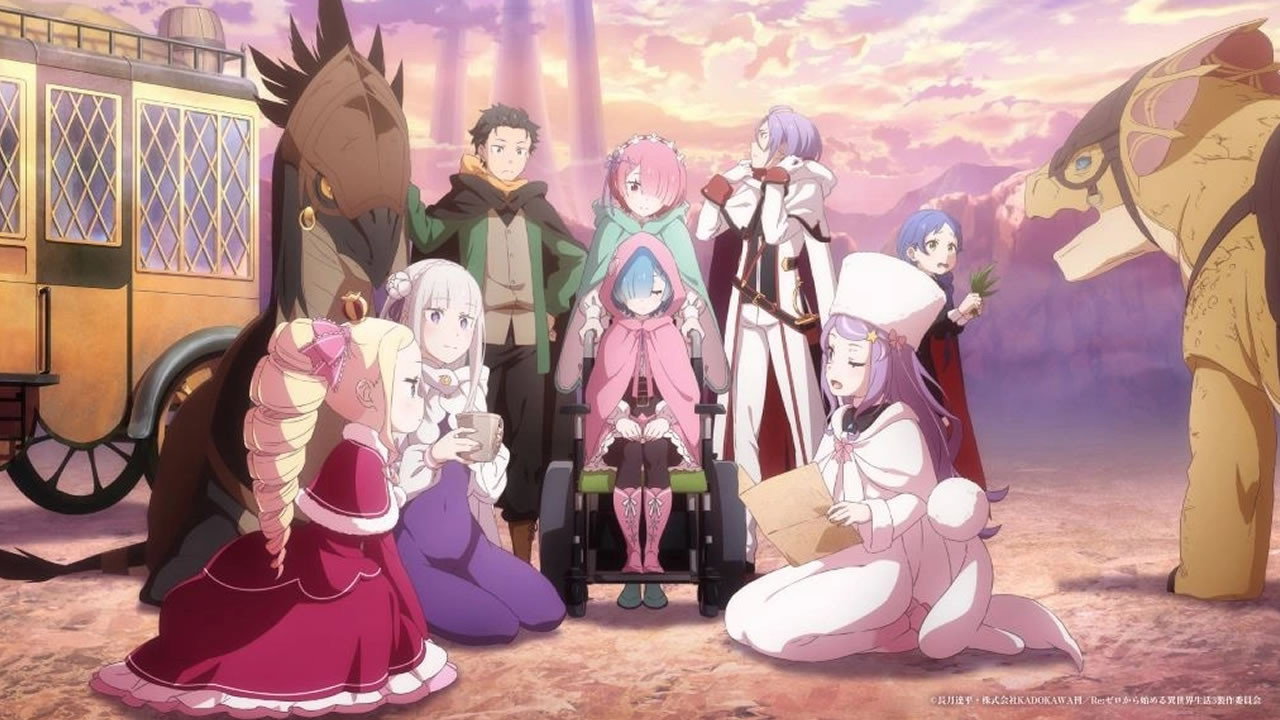
The centre of this kuji is the trio of Emilia, Beatrice, and Anastasia. That choice makes a lot of sense. Emilia is the face many casual viewers think of first, Beatrice has a huge fan base thanks to her sharp tongue and small-but-powerful charm, and Anastasia adds a more playful, business-minded energy to the lineup.

Why these three work so well for a sweets theme
Emilia fits soft, pale, elegant sweets visuals almost too perfectly. Beatrice brings a more mischievous contrast, which makes the set feel less one-note. Anastasia, meanwhile, is a great match for any cafe or confectionery-style concept because her character already has that polished, stylish edge.
A great example: Japanese character goods often lean hard into personality-first design. If a character is gentle, the goods become airy and pastel. If she’s cheeky, the design gets sharper or a little more playful. That seems to be the thinking here, and it works. The best part: fans of each character can see a different reason to buy in, instead of one mascot doing all the work.
For Japanese learners, this is also a neat reminder of how character branding works in everyday pop culture vocabulary. Terms like 可愛い (kawaii, cute) for cute, 甘やか (amayaka, indulgent; soft) for gentle and sweet-toned, or お菓子 (okashi, sweets; confectionery) for sweets show up constantly around merch announcements. You don’t need to memorise them all at once, but they help when reading Japanese promo pages and event descriptions. Wait, there’s more.
What an online kuji from Kadokawa usually means
Online kuji are a very Japanese kind of lottery merch. You pay for a digital draw, then receive a prize based on the result, with each tier usually offering different items. Kadokawa has been running these kinds of campaigns for years through its online lottery and goods platforms, and the format has become a reliable way to turn fan enthusiasm into limited-edition collectibles.
That limited feeling matters. If you miss the campaign, you may not see the exact same design again, and that creates urgency without needing heavy marketing language. On a related note: Japanese fans often enjoy the surprise element, but they also care about the art style, the prize spread, and whether the goods are actually usable. A pencil case, acrylic stand, or clear file can go a long way if the illustration is strong. But let’s stick with the Re:Zero campaign for now.
Oh, almost forgot: online kuji are also practical for fans outside Japan, since they remove the need to stand in line at a shop or event. You can participate from home, then wait for the results and shipping details. Simple, efficient, and very in tune with how Japanese fan culture has adapted online. Simply brilliant.
Why this is good news for Re:Zero fans and Japan learners
If you like Re:Zero, this is the kind of merch announcement that feels easy to enjoy. It is focused, character-driven, and themed in a way that actually suits the series. Emilia, Beatrice, and Anastasia aren’t just slapped onto generic items, they’re placed into a concept that gives the products a reason to exist.
For Japan fans, that’s a big deal. The Japanese merchandise market is full of licensed goods, but the best campaigns still feel like little events. They give you a reason to check a page, compare prizes, and maybe even learn a bit of vocabulary along the way. Did you know that...? The word kuji itself just means lottery or draw, so once you know that, a lot of Japanese promo language becomes much easier to follow.
The first time I went to Japan, I was surprised by how normal it is for anime merch to be tied to a very specific concept, like sweets, cafe uniforms, or seasonal flowers. That attention to theme is part of the fun, and it helps explain why these releases keep finding an audience. From my experience...
Before I forget: if you enjoy following Japanese anime announcements in English, keep an eye on how companies like Kadokawa frame their campaigns. The wording is often compact, but the idea behind it is clear. That makes it a good reading exercise too, especially if you’re learning how to spot names, product types, and event terms quickly. You can start with the basics, and then build from there. Wait, there’s more.
Sources
In pictures

Frequently Asked Questions
What is an online kuji?
It is a digital lottery where fans buy a chance to win themed prizes, often tied to anime or game merchandise.
Why do fans like sweets-themed merch?
The theme is easy to understand, looks cute, and often matches character designs in a very natural way.
Who are the main characters in this campaign?
The spotlight is on Emilia, Beatrice, and Anastasia.