The new project is tied to director Mokochan, the name behind the energy of Dandadan and the visual punch of Scott Pilgrim Takes Off, and it’ll land on Amazon Prime Video in Germany from 7 July. Wild, isn’t it?



Guess what? Ghost in the Shell 2026 is shaping up to be one of the most talked-about anime projects of the year, and not only because the franchise has been around since Masamune Shirow’s original manga first changed the cyberpunk conversation back in 1989. The real hook here is creative: Science SARU has said the series will be fully hand-drawn, with no AI-generated imagery in the production chain. That’s a big cultural signal.
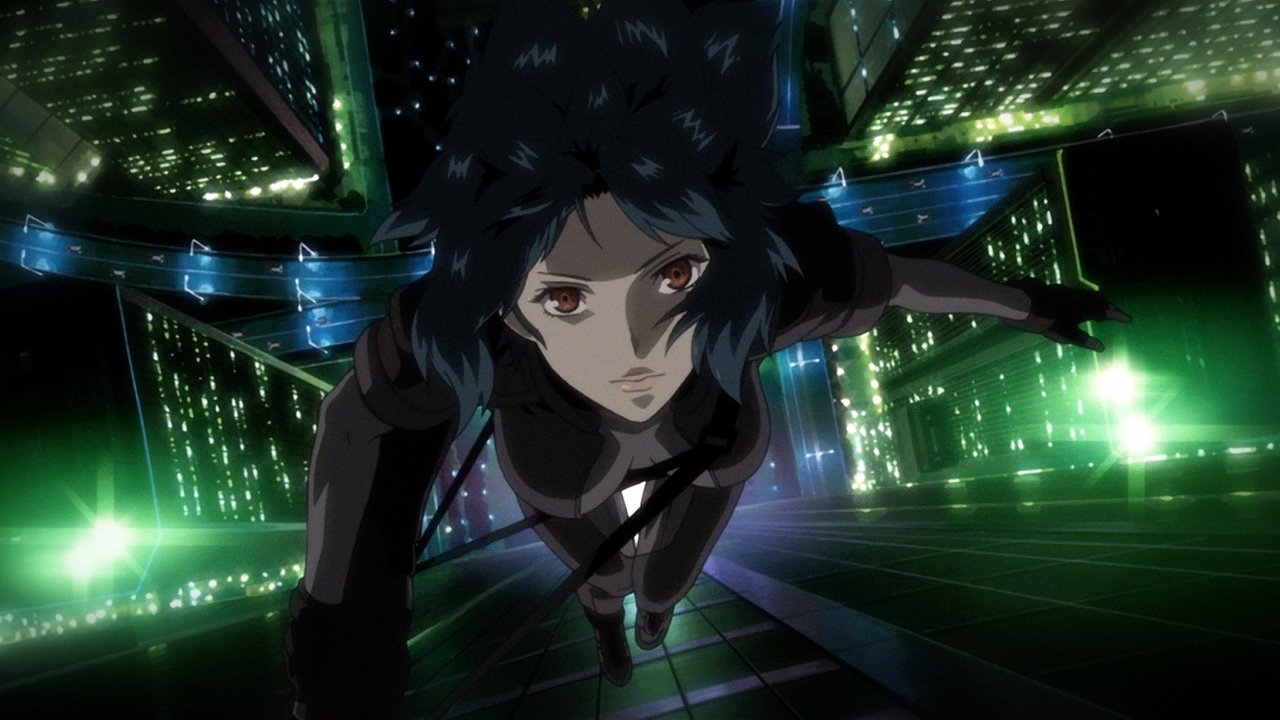
For Japan fans and Japanese learners alike, this is one of those releases that gives you something to talk about beyond plot and characters. The word hand-drawn, in Japanese production talk, often connects to 作画 (saku ga, animation drawing; key animation art) style craft and the pride of human-made animation, while AI in this context is still a hot-button term that can split audiences fast. Here's the deal: this series is entering a debate about artistry, labour, and the future of anime, and it’s doing it through a franchise people already care about deeply.
Ghost in the Shell 2026 and the zero-AI message
Plot twist: the headline isn’t just that there’s a new Ghost in the Shell anime, it’s that the studio is leaning into a very clear production identity. Science SARU has a strong reputation for expressive motion, bold colour, and a slightly offbeat rhythm that still feels controlled. That made them a natural fit for a property like Ghost in the Shell, which has always lived between technology and humanity, machine and soul.
The “zero AI” angle matters because anime production is under pressure. Studios are being asked to deliver more content, faster, often with tighter schedules and international expectations. So when a major team says it won’t use AI-generated animation here, that choice becomes part artistic stance, part brand message. From my experience, fans notice that immediately, especially when a series is this iconic.
Why Science SARU matters here
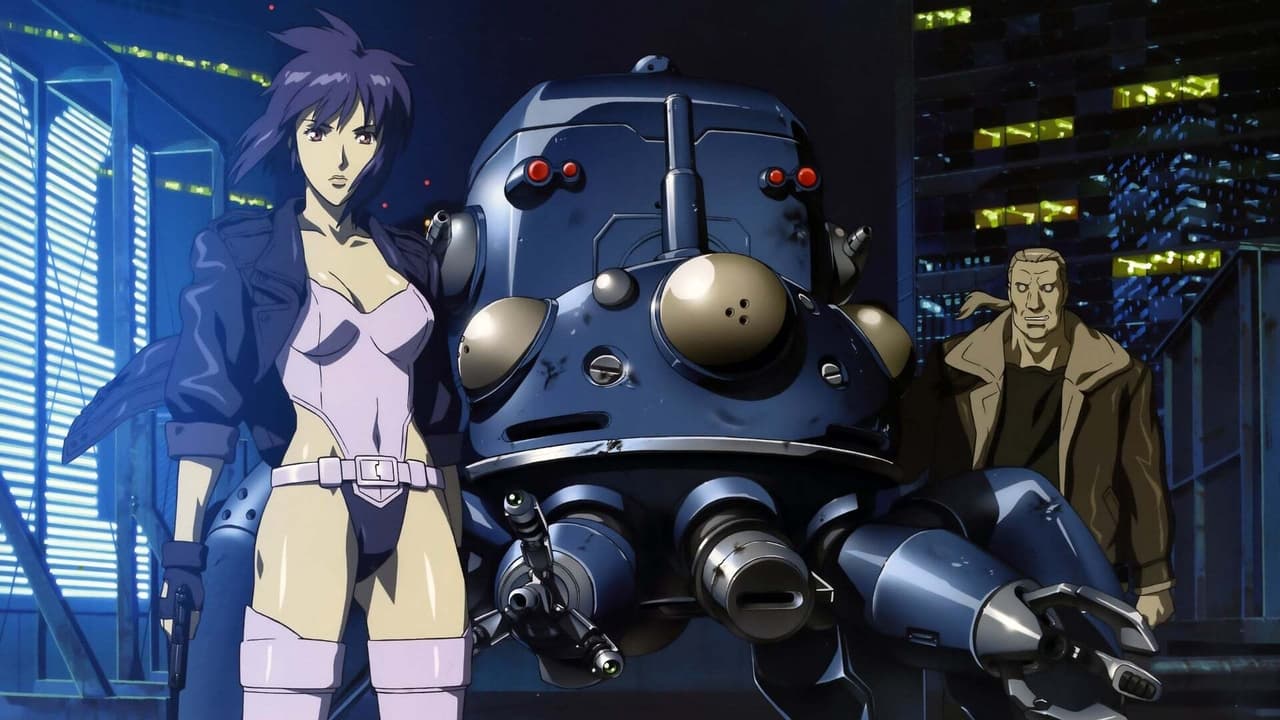
Science SARU is not a random pick. The studio has built its name on series and films that move with personality, not just polish, and that’s exactly what Ghost in the Shell needs if it wants to stand apart from earlier versions. Mokochan’s work on Dandadan showed how far the studio can push speed, expression, and comic timing without losing emotional clarity.
What I especially like is that this isn’t trying to look “safe.” Ghost in the Shell should feel a little unsettling. It should make you ask how much of a person remains when memory, body, and network are all editable. A hand-drawn approach keeps the human trace visible, and that fits the franchise’s core question better than a glossy but sterile look would. My verdict: that’s the right instinct.
Annecy reaction and the wider anime conversation
On a related note: the project’s positive reception at Annecy says a lot. Annecy International Animation Film Festival in France has become a serious stage for Japanese animation, and a strong response there usually means overseas viewers are paying attention, not just niche fans on social media. When an anime title gets a warm response in Annecy, it often starts a wider conversation about style, export value, and artistic credibility.
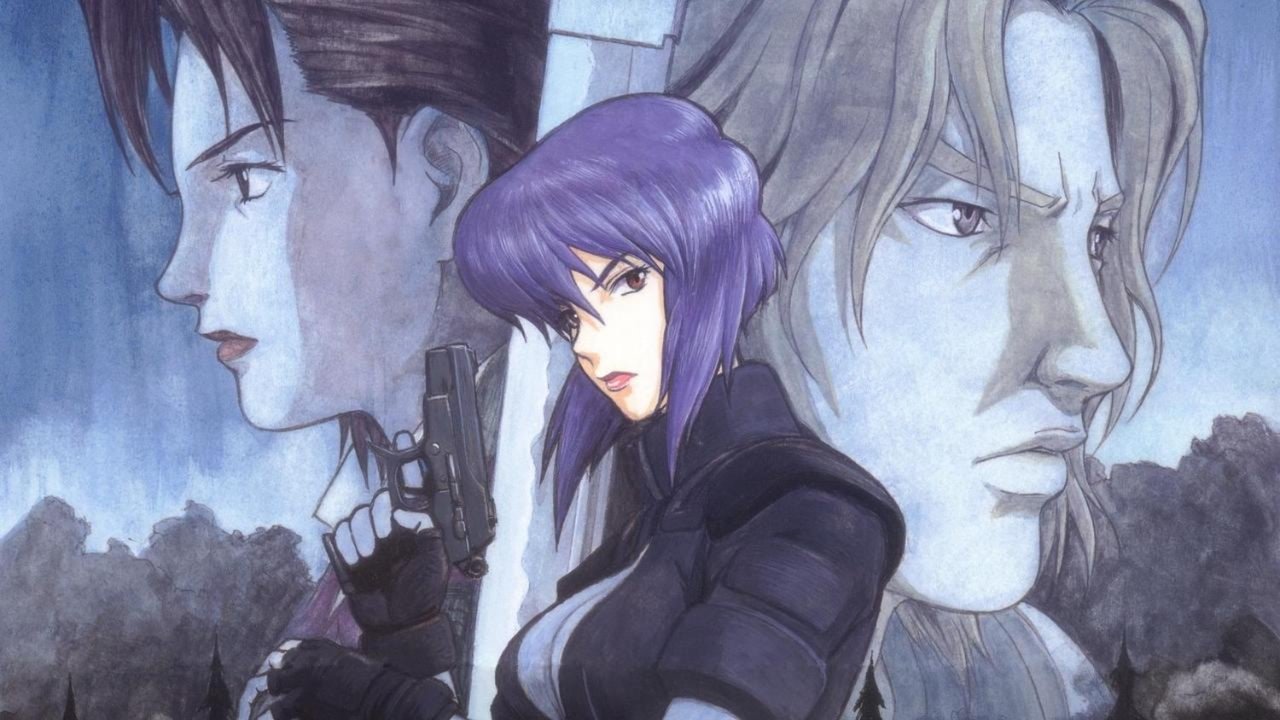
Here’s the catch: this also lands at a time when AI in creative work is being argued about everywhere, from game art to storyboards to dubbing. Anime has been one of the loudest battlegrounds, because the medium already relies on massive human effort and clear division of labour. If you’re studying Japanese, this is a great example of how words like 言語 (gengo, language) can be used to discuss technology, while terms like 手作り (tezukuri, handmade; handcrafted) and 職人 (shokunin, artisan; craftsman) carry strong cultural weight around handcraft and professional pride.
Picture this: you’re watching the new series and you can feel the linework breathing, frame by frame. That’s not nostalgia talking, that’s a production choice. And in a franchise that has always asked what remains human inside a networked world, the choice to avoid AI generation feels almost poetic.
When and where to watch Ghost in the Shell 2026
No joke: German viewers will be able to watch Ghost in the Shell 2026 on Amazon Prime Video from 7 July. That date makes the release easy to track for international audiences, which is useful because Ghost in the Shell has always travelled well outside Japan. The franchise began with the manga, then became globally famous through the 1995 film by Mamoru Oshii, and later through Stand Alone Complex and other adaptations.
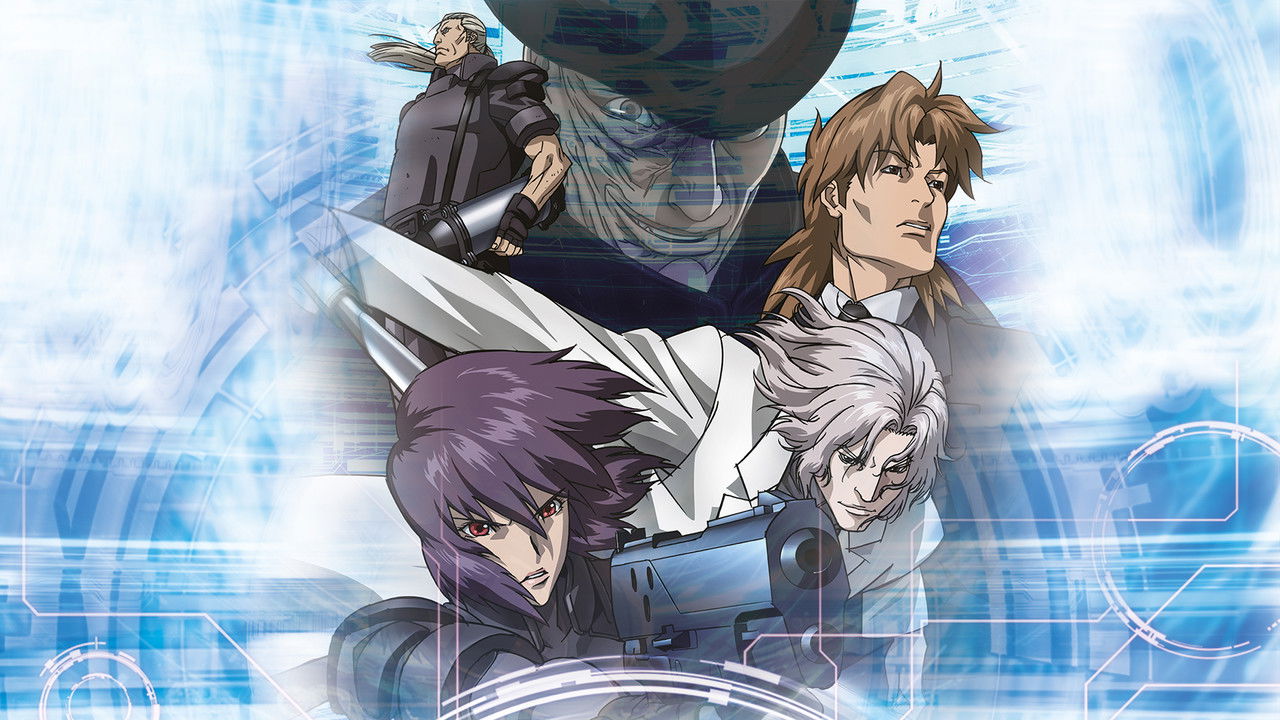
The best part: this new version can pull in both longtime fans and newer viewers who know Science SARU from more recent hits. If you’re learning Japanese, it’s also a nice chance to hear futuristic vocabulary, police terminology, and philosophical language in a very stylised setting. My tip: keep a notebook nearby when you watch, because cyberpunk anime tends to recycle useful words and formal speech patterns that you’ll hear again and again elsewhere. From my experience, that makes rewatching much more rewarding.
While we’re at it: the debate around AI-free production is not just a technical footnote. It tells you how the people making anime want their work to be seen, and what they believe audiences still value. In this case, the answer seems to be simple, human, and very Japanese in spirit: craft first, machine second. Not bad, right?
In pictures
Frequently Asked Questions
When will Ghost in the Shell 2026 stream in Germany?
It is scheduled to stream on Amazon Prime Video in Germany from 7 July.
Will the new series use AI-generated animation?
No, the production is being positioned as fully hand-drawn, with zero AI generation.
Why are fans talking about the Annecy reaction?
Annecy is a major animation festival, so a positive response there suggests strong international interest.