
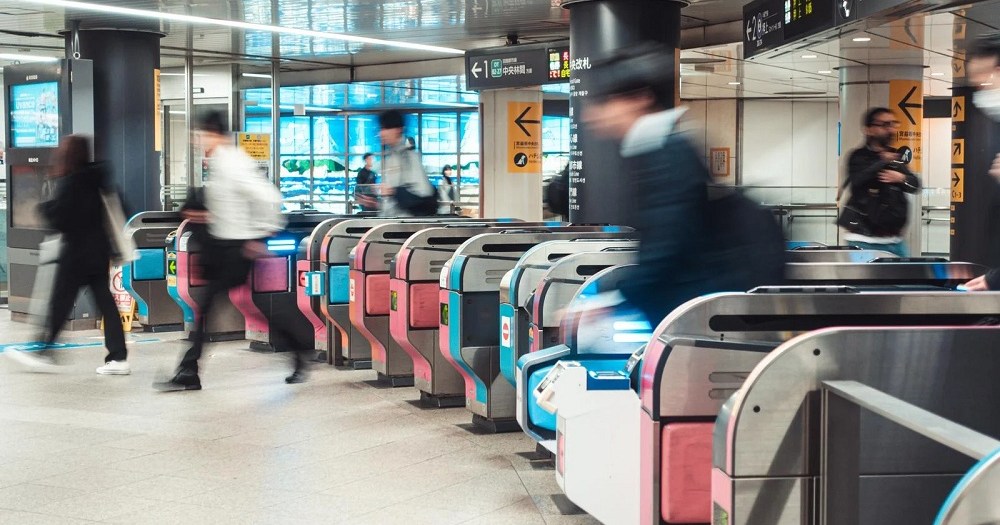
What's Actually Changed: Credit Card Tap on Tokyo's Train Network
Know that feeling when you arrive at a Tokyo station, luggage in hand, jet-lagged, and you can't figure out how to load a Suica card at the machine because the instructions are in Japanese? That moment of mild panic is something a lot of first-time visitors know well. The new credit card tap system targets exactly that problem.



As of spring 2025, the Tokyo Metro, Toei Subway, and almost all major Tokyo train lines now accept contactless credit card payments directly at the ticket gates. No IC card needed. No pre-loading. Just tap your Visa, Mastercard, or American Express at the reader, and the gate opens. Simple as that.
What most people don't know is that this also covers lines heading out of central Tokyo toward destinations like Hakone, Yokohama, and Kinugawa. So you're not just covered for hopping between Shibuya and Shinjuku. You can tap your way onto a train toward the hot springs of Hakone or the waterfront of Yokohama without stopping to buy a separate ticket or figure out a new fare zone. That's genuinely useful.
Which Lines Are Included?
The rollout covers the Tokyo Metro's nine lines, all four Toei Subway lines, and a large number of private rail operators running through the greater Tokyo area. Lines like the Odakyu Electric Railway (which connects to Hakone via Odawara) and the Tobu Railway (your route for Kinugawa Onsen in Tochigi Prefecture) are part of this system. Speaking of which, the coverage map has expanded significantly since early tests in 2023, which only covered a handful of stations on the Tokyo Metro Ginza Line.
From my experience, the biggest relief here is for anyone traveling beyond the Yamanote Line loop. Outer routes have historically required separate ticket purchases or careful IC card management, especially when crossing between operators. That friction is now largely gone.
IC Cards vs. Credit Card Tap: A Big Cultural Shift
For years, the gold standard for riding trains in Japan has been the IC card. Suica (issued by JR East) and PASMO (managed by a consortium of Tokyo-area operators) have been the default since the early 2000s, and by 2023, Suica alone had over 90 million issued cards. These cards aren't just train tickets either. You can use them at convenience stores, vending machines, and even some restaurants. They're embedded in daily life here.
Here's the thing: IC cards aren't going away. But the arrival of credit card tap payments represents the first serious alternative that doesn't require any setup, any Japanese bank account, or any visit to a green JR East machine. For tourists especially, this lowers the barrier to entry in a real way.
What I especially like about this shift is what it signals culturally. Japan has long had a reputation for being a cash-heavy society. The phrase 現金払い (genkin barai, cash payment) is something you'd encounter constantly even a decade ago. Watching Tokyo's transit infrastructure move toward open-loop contactless payments puts it in line with London's Oyster/contactless system or Singapore's EZ-Link setup. It's Japan modernising on its own terms, at its own pace, but moving firmly in one direction.



A Note for Japanese Learners
If you're studying Japanese, transit vocabulary is genuinely useful to know. Words like 改札 (kaisatsu, ticket gate), 乗り換え (norikae, transfer), and 運賃 (unchin, fare) come up constantly. And now you can add タッチ決済 (tatchi kessai, tap payment) to that list. It's already appearing on signage at Tokyo stations.
What This Means If You're Visiting Tokyo
Did you know that Japan welcomed over 36 million international tourists in 2024, a record high? A significant number of those visitors spend time navigating Tokyo's train system, which has over 280 stations on the Tokyo Metro alone. Anything that reduces friction for that experience matters at scale.
No exaggeration: the credit card tap system could genuinely replace the Suica card for a short-term visitor. If you're in Tokyo for a week and you don't want to deal with IC card logistics, you now don’t have to. Just tap in, tap out, and your credit card handles the fare calculation automatically.
That said, there are some things to keep in mind. Transaction fees from your card issuer may apply, especially for international cards. IC cards like Suica still offer small discounts at some retailers and work at vending machines and konbini (convenience stores) in ways a credit card tap at the train gate won't. Insider tip: if you're staying longer than two weeks, getting a Suica or PASMO still makes more financial and practical sense. But for short visits, the new system is a genuine game-changer.
And it gets better: Apple Pay and Google Pay are supported, so you don't even need to carry a physical card. As long as your device has NFC and your card is loaded into your wallet app, you're set. Wait, there's more. Some users on r/JapanTravel have already reported successfully using their contactless Amex and Visa cards without any issues at Tokyo Metro gates as of late March 2025.
My tip: test your card at a quieter station first, like Monzen-Nakacho on the Tozai Line or Kiyosumi-Shirakawa on the Hanzomon Line, rather than at a busy hub like Shinjuku where a declined tap during rush hour is the last thing you want.
Trust me on this one: a little preparation goes a long way on Tokyo's trains. Simply brilliant as this system is, knowing what you're working with before you're standing at a crowded kaisatsu will save you stress.
Frequently Asked Questions
Can I use any credit card to tap into Tokyo trains now?
Most major contactless-enabled Visa, Mastercard, and American Express cards are accepted, including those loaded into Apple Pay or Google Pay. Check with your card issuer whether international contactless transactions are enabled before you travel.
Do I still need a Suica or PASMO card?
Not strictly, but IC cards like Suica and PASMO still have advantages: they work at convenience stores, vending machines, and some restaurants, and they may save you money on small purchases. For short tourist visits, credit card tap is now a fully viable alternative for train travel.
Does the credit card tap system work for trips to Hakone or Yokohama?
Yes. The system covers lines connecting central Tokyo to destinations including Hakone (via Odakyu), Yokohama (via multiple operators), and Kinugawa (via Tobu Railway), making it practical for day trips beyond the city centre.


