
For Japan fans and Japanese learners, this is more than a sales story. It’s a neat little window into how Japanese gaming culture keeps recycling old favourites, and why names like Nintendo still carry serious weight.
![Dragon Ball Z: Kakarot [Master Edition]](https://s.pacn.ws/1/p/1eh/dragon-ball-z-kakarot-master-edition-908785.1.jpg?v=t8ja8t&width=400)


Tomodachi Collection Is Back in the Conversation
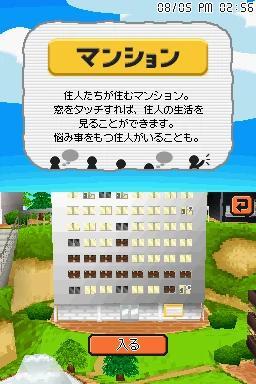
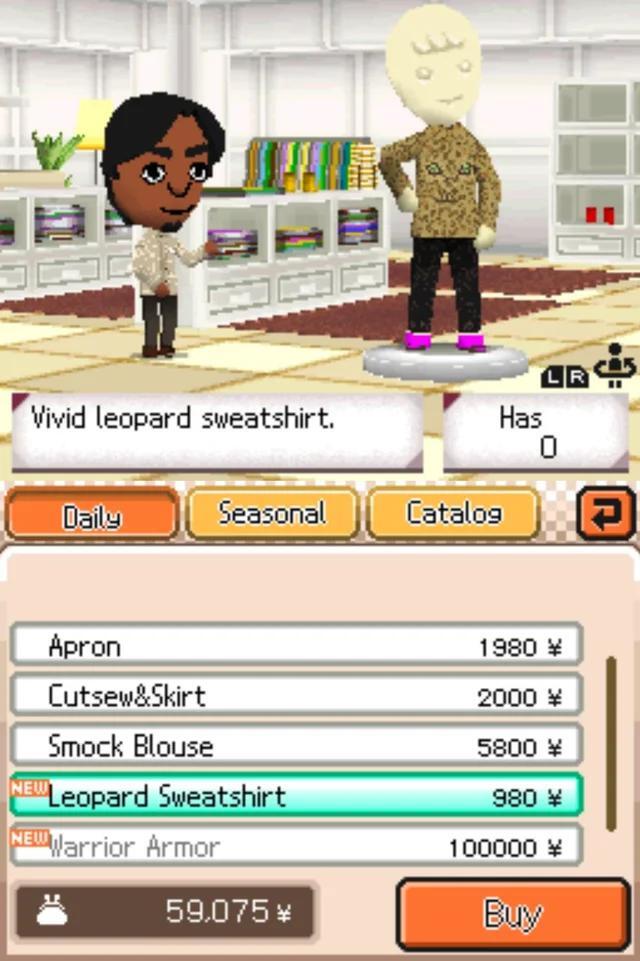
Guess what? 友達 (tomodachi, friend) Collection is one of those Nintendo games that never really disappeared; it just waited for the right moment to feel current again. First released on Nintendo DS in 2009 in Japan, it turned everyday life into comedy, chaos, and tiny digital dramas, which is exactly why people still remember it so clearly.
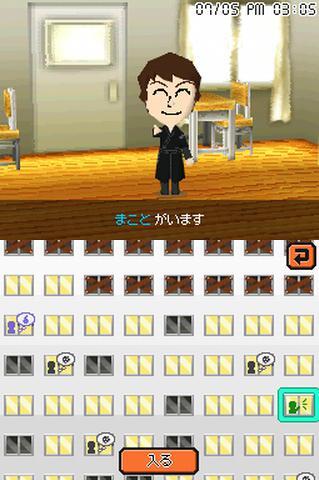
The latest buzz around the series is tied to a simple fact: the franchise has sold 3.8 million copies in Japan. That number matters because it proves this was never a niche oddity. It was a proper hit, one that sat comfortably alongside Nintendo’s bigger lifestyle titles, and it built a fan base that still talks about Miis, apartment life, and those weirdly memorable little events. See what I mean?
For Japan learners, Tomodachi Collection is also a fun vocabulary playground. You’ll run into words and ideas like 生活 (seikatsu, life; daily living), tomodachi, 経験 (keiken, experience), and 趣味 (shumi, hobby), all wrapped in a game that treats ordinary life like entertainment. That mix of plain language and absurd situations is very Japanese, and it helps explain why the series stayed in people’s minds for so long.
Nintendo Japan, Sales Numbers, and Why 3.8 Million Matters
Picture this: a DS game about cartoon avatars chatting, eating, arguing, and falling in love ends up becoming a lasting cultural reference point. That’s Tomodachi Collection in a nutshell. Nintendo Japan doesn’t throw around sequel talk lightly, so when a title like this gets fresh attention, you know the company sees real value in the brand.
The 3.8 million figure is especially strong because it’s tied to Japan alone, not a worldwide total padded by overseas releases. Unlike what we’re used to with global blockbusters, this is a Japan-first success story. It shows how deeply Nintendo can land when it makes something that feels local, light, and easy to share.
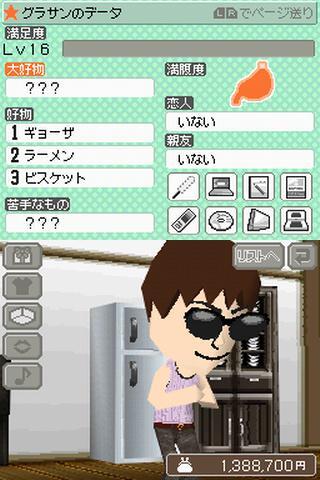
Quick detour: the original game launched on DS, then Tomodachi Collection: New Life arrived on 3DS in 2013. That sequel pushed the idea further, adding more customisation and more absurd social moments, and it sold even better. Nintendo later leaned into the same energy with Miitopia, but Tomodachi Collection had already proven the formula worked. Not bad, right?
Why the Numbers Still Matter
Sales figures aren’t just corporate bragging rights. In Japan, they shape what gets remembered, what gets requested, and what gets revived in fan discussions. A title with millions of copies sold has a very different afterlife from a cult favourite with a tiny audience, and Tomodachi Collection belongs firmly in the first group. My tip: if you’re learning Japanese, pay attention to these sales stories, because they often tell you which games became part of everyday conversation.
Basically: 3.8 million copies means trust, recognition, and a shared memory across a big chunk of Nintendo’s audience. That’s why this comeback talk feels grounded, not just nostalgic fluff. Sounds good, right?
The VTuber Wave Gives Tomodachi Collection New Life
And it gets better: the current VTuber wave has given the game a fresh stage. VTubers love social games, reaction-friendly chaos, and character-driven comedy, so Tomodachi Collection fits their style almost too well. Watching streamers create bizarre Mii scenarios, joke about relationships, and react to the game’s deadpan randomness has introduced it to viewers who were too young to play the DS version the first time around.

For example, a VTuber stream doesn’t just play the game; it turns the game into a performance. The humour lands because the setup is so simple, and the results are so unpredictable. That is my absolute hidden gem when it comes to Japanese game culture: the audience gets to enjoy the software, the streamer, and the shared jokes all at once.
Oh, almost forgot: this is also why older Nintendo ideas can suddenly feel new again. A game doesn’t need a flashy remake trailer to return to relevance. Sometimes all it takes is a wave of creators who understand how to turn weird little life-sim moments into live entertainment. Highly recommended:
Why VTubers Fit the Game So Well
Tomodachi Collection is built on personalities, not on complex mechanics. That makes it ideal for reaction content, and VTubers thrive on reactions. A small argument over food, a strange dream sequence, or a ridiculous love confession can become the highlight of a stream. Know that feeling when a simple moment somehow becomes the funniest thing you’ve seen all week? That’s the appeal here.
For Japanese learners, this is a nice reminder that entertainment vocabulary often comes from casual speech. You’ll hear short, natural phrases, little exclamations, and plenty of everyday expressions. The language isn’t dense, but the context is rich, which makes it easier to remember. See what I mean?
Why This Nintendo Nostalgia Works, But Doesn’t Go All the Way
Let me show you why this comeback story feels strong, but not quite explosive. The nostalgia is real, the sales are concrete, and the VTuber boost is easy to see. Still, the hype is mostly about rediscovery rather than a full-scale franchise revival. There’s no massive new release confirmed here, and that limits how far the conversation can go.
What I especially like is the balance between memory and momentum. Nintendo Japan has a habit of keeping older ideas alive through smart timing, and Tomodachi Collection is a perfect example. It’s not trying to look modern in a forced way, and that helps. The game’s charm comes from being a little awkward, a little random, and very human. Sounds good, right?
For fans of Japan and the Japanese language, that makes this story worth following. You get Nintendo history, a real sales milestone, and a current creator trend all in one place. Basically, it’s a comeback built on solid foundations, even if it doesn’t quite feel like a full-blown earthquake. My verdict:
In pictures
Frequently Asked Questions
What is Tomodachi Collection?
It is a Nintendo life-simulation game series where players create characters and watch their daily lives unfold.
Why is it trending again?
It is getting renewed attention from nostalgia, strong sales history, and VTuber streams that fit its style very well.
How many copies did it sell?
The series has sold 3.8 million copies in Japan.


