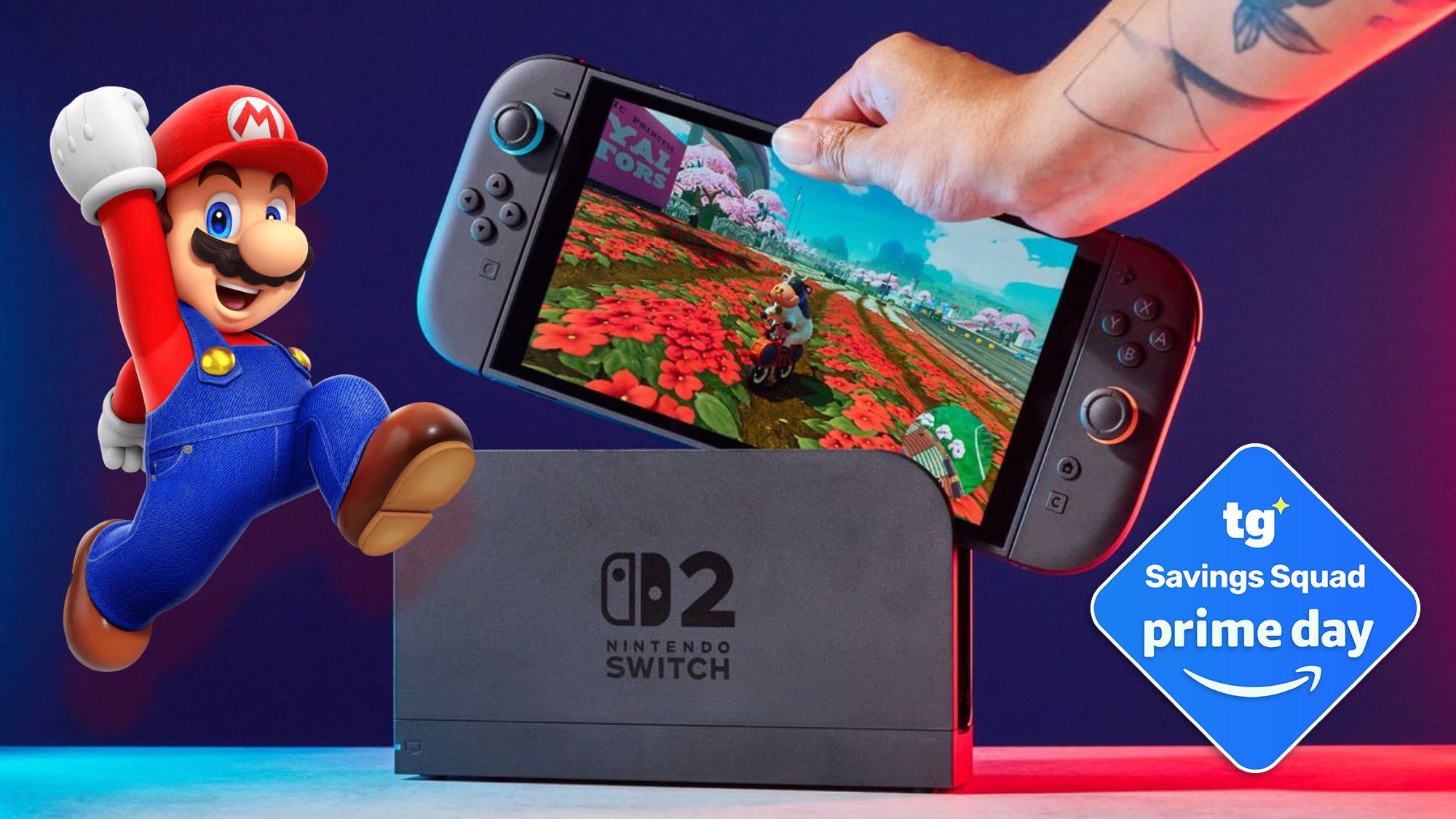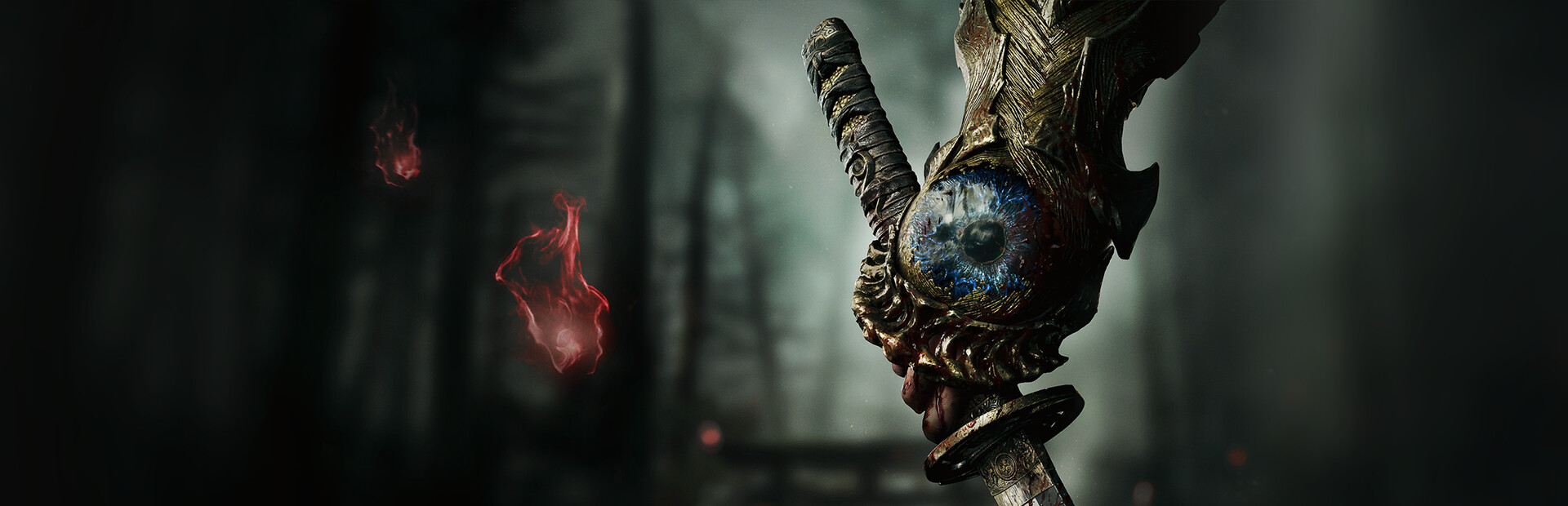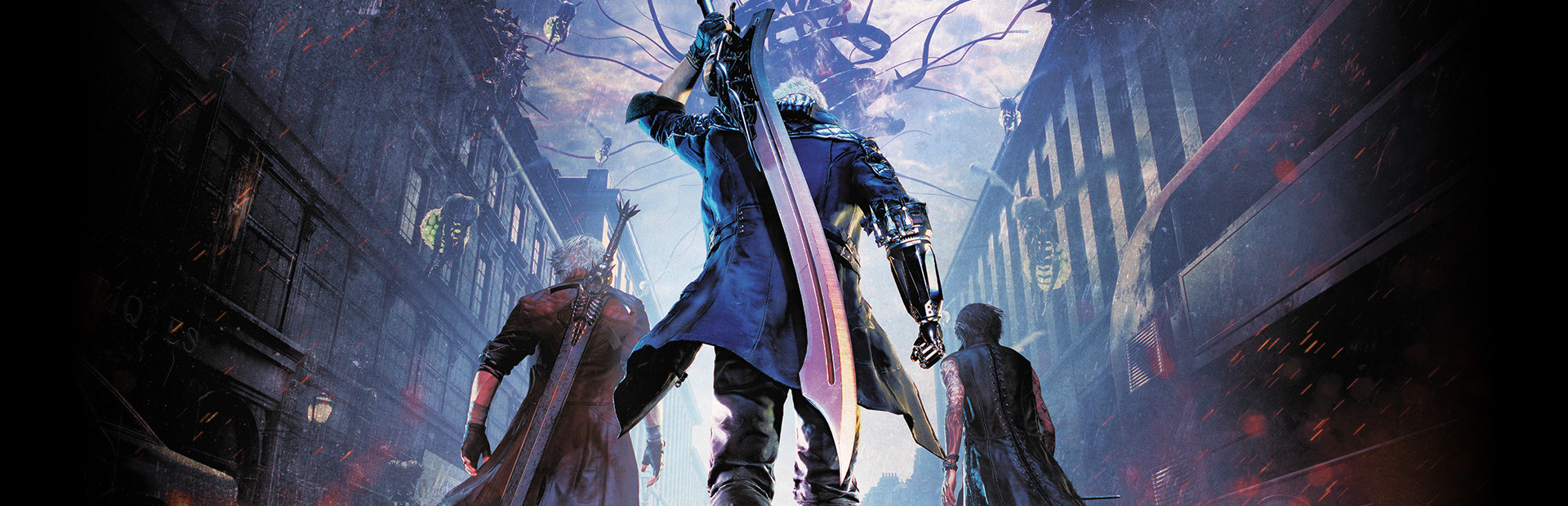
What stands out here isn’t just the game itself, but the way Capcom keeps squeezing strong results out of hardware that always invites debate. Take Devil May Cry 5, for instance: it says a lot about Capcom’s current porting skills, and yes, the results are making people notice.
![Dragon Ball Z: Kakarot [Master Edition]](https://s.pacn.ws/1/p/1eh/dragon-ball-z-kakarot-master-edition-908785.1.jpg?v=t8ja8t&width=400)
![Startup Company [Console Edition] (Limited Edition)](https://s.pacn.ws/1/p/157/startup-company-console-edition-limited-edition-741799.16.jpg?v=ry4mm8&width=400)
![Startup Company [Console Edition]](https://s.pacn.ws/1/p/157/startup-company-console-edition-741779.10.jpg?v=ry4ngq&width=400)
Capcom Switch 2 ports have quickly become a talking point, and Devil May Cry 5 is a neat case study. The game first launched in 2019, developed by Capcom’s Osaka-based team, and now it’s showing up again on Nintendo’s newer console with a technical polish that feels almost stubborn in the best way.
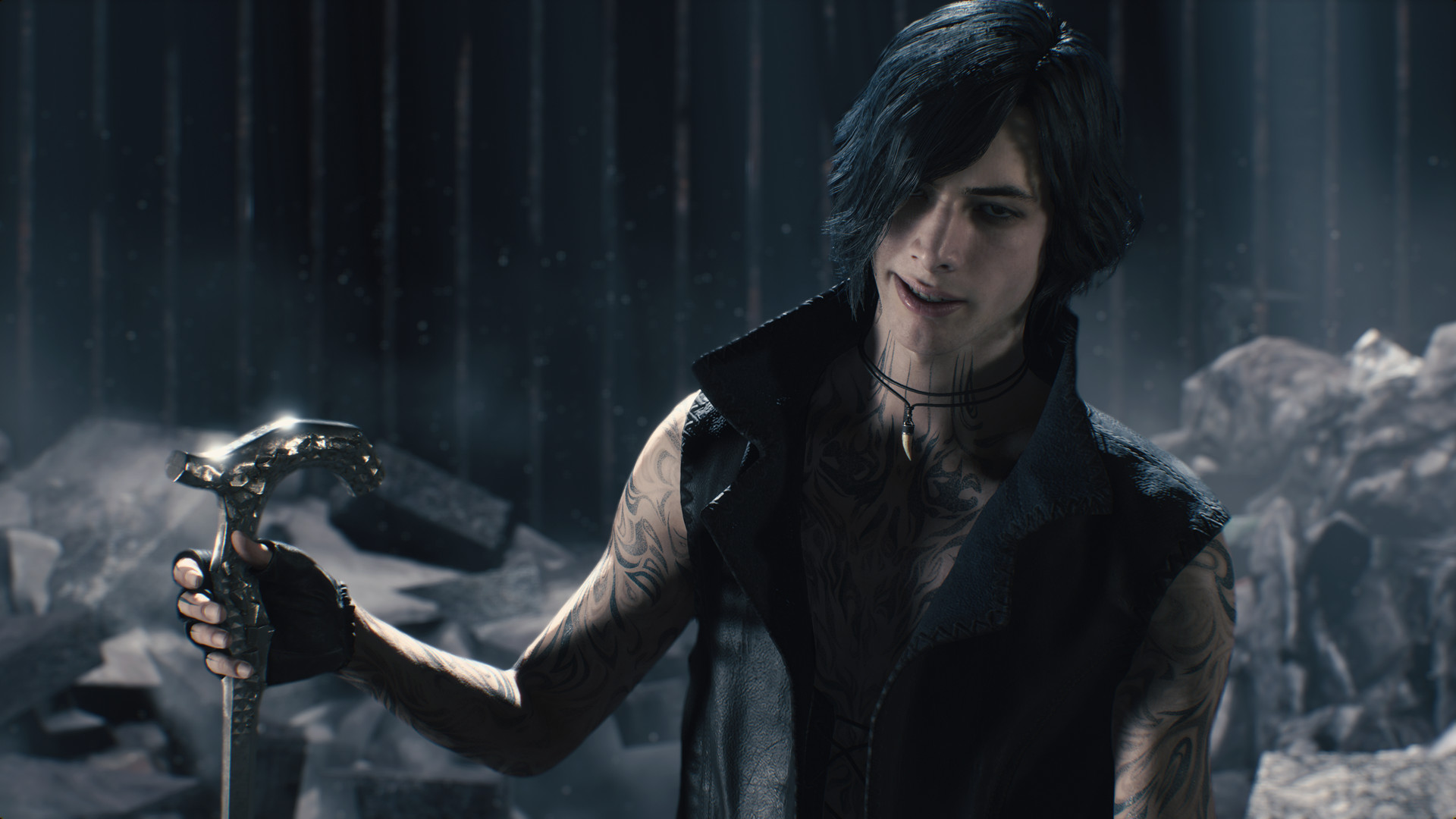
Unlike what we're used to from rushed conversions, this one feels like a studio that actually understands scaling, frame pacing, and the limits of handheld play. My tip: if you like following game tech, keep an eye on Capcom, because they’re building a very specific reputation right now. Sounds good, right?
Devil May Cry 5 on Switch 2: why this port matters
Ever wondered why a port can be more interesting than a brand-new release? This is one of those cases. Devil May Cry 5 is a demanding action game, built around fast movement, flashy effects, and tight response times, so any weak spot in a port shows up immediately.
That matters even more on Nintendo hardware, where players expect two things at once: portability and a clean image. Capcom seems to get that balance. Before I forget, the company already has a long history of bringing major games to Nintendo platforms, from older Resident Evil releases to more recent Switch versions of Monster Hunter titles, so this isn’t random luck.
Why action games reveal port quality so fast
What most people don't know is that action-heavy games are often better porting tests than huge open worlds. Why? Because animation timing, input feel, and effect stability all have to stay in sync. If the game stutters during a dodge or combo chain, the whole experience feels off.
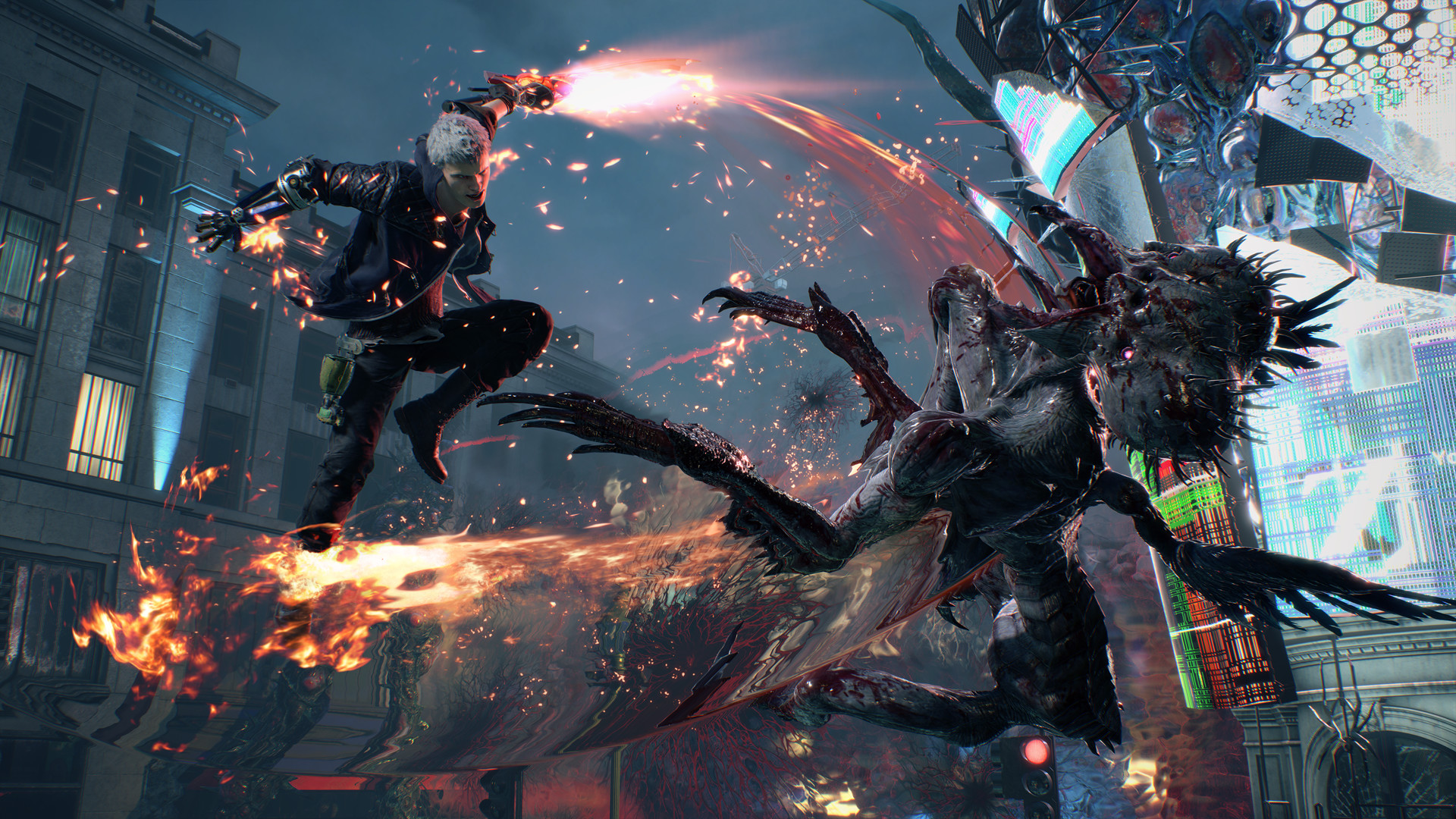
Devil May Cry 5 lives or dies by that rhythm. So when a version runs cleanly, it’s a strong sign that the port team knew exactly where to compromise and where not to. Wild, isn't it? That’s the difference between a decent conversion and one that feels native.
Capcom ports and the company’s current technical strength
Basically, Capcom has become one of the most reliable publishers for technically careful ports. That’s not just marketing talk. Over the last several years, the company has repeatedly shown that its RE Engine can be adapted across different systems, from home consoles to handheld-friendly setups.
Resident Evil 7: Biohazard arrived in 2017, Monster Hunter Rise launched in 2021, and later titles kept proving that Capcom can tune visuals, memory use, and loading behaviour without making the game feel stripped down. While we're at it, the Japanese term 制御 (seigyo) means control or adjustment, and that’s exactly the feeling Capcom’s port work gives me, controlled rather than careless.
Why Capcom keeps getting this right
There’s also a studio culture angle here. Capcom isn’t just throwing a game over the wall and hoping for the best. The company has spent years refining workflows, especially in Osaka, where a lot of its major development and engine work is centred.
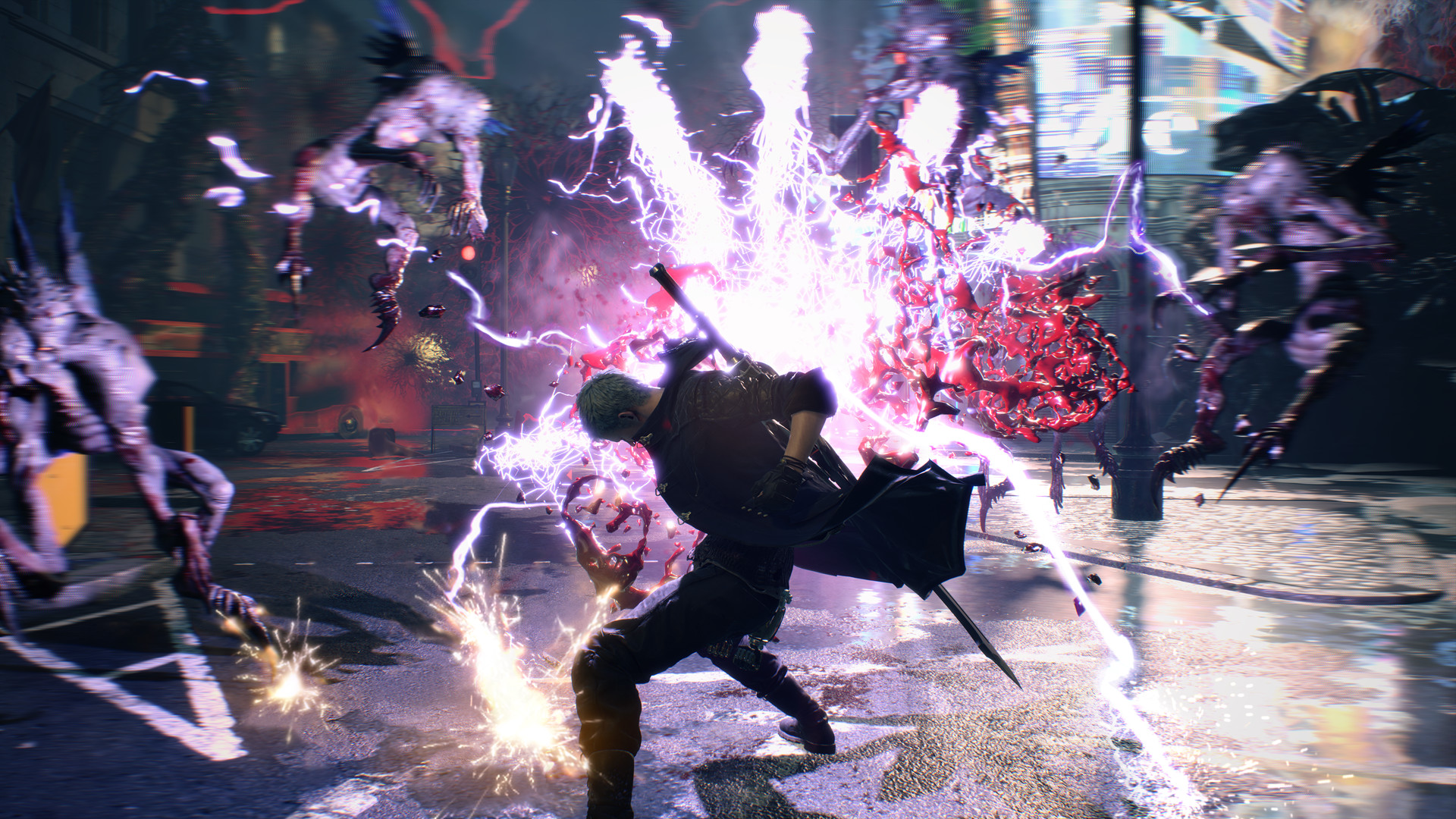
That shows up in the little things. Texture choices are smarter. Shadow handling is more disciplined. Load times are usually kept in check. Oh, almost forgot: it also helps that Capcom tends to choose games that can still shine even when a system isn’t pushing every setting to the max.
For Japanese learners, this is a good vocabulary moment too. Words like 解説 (kaisetsu, commentary / explanation) for commentary, 調整 (chuusei) for adjustment, and 処理 (shori) for processing pop up all the time when Japanese fans discuss game tech. You’ll see them in forum posts, YouTube breakdowns, and hardware chats, especially when a port gets praised for being well optimised.
What Devil May Cry 5 says about Switch 2 in practice
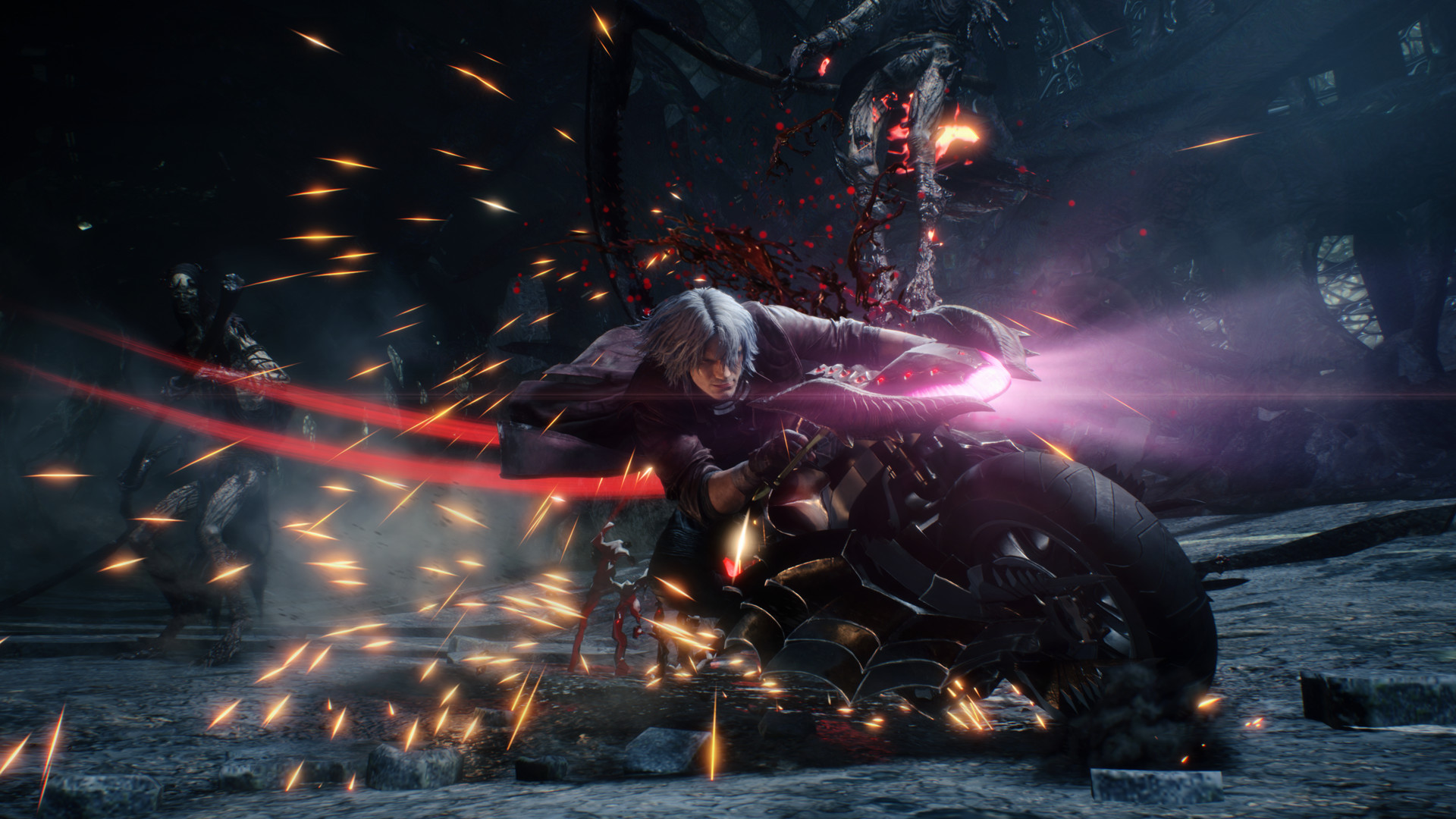
The Switch 2 angle is the real story here. Capcom’s port isn’t just about one game looking good, it’s about showing that the new machine can handle a stylish, effects-heavy action title without turning the experience into a compromise-heavy mess.
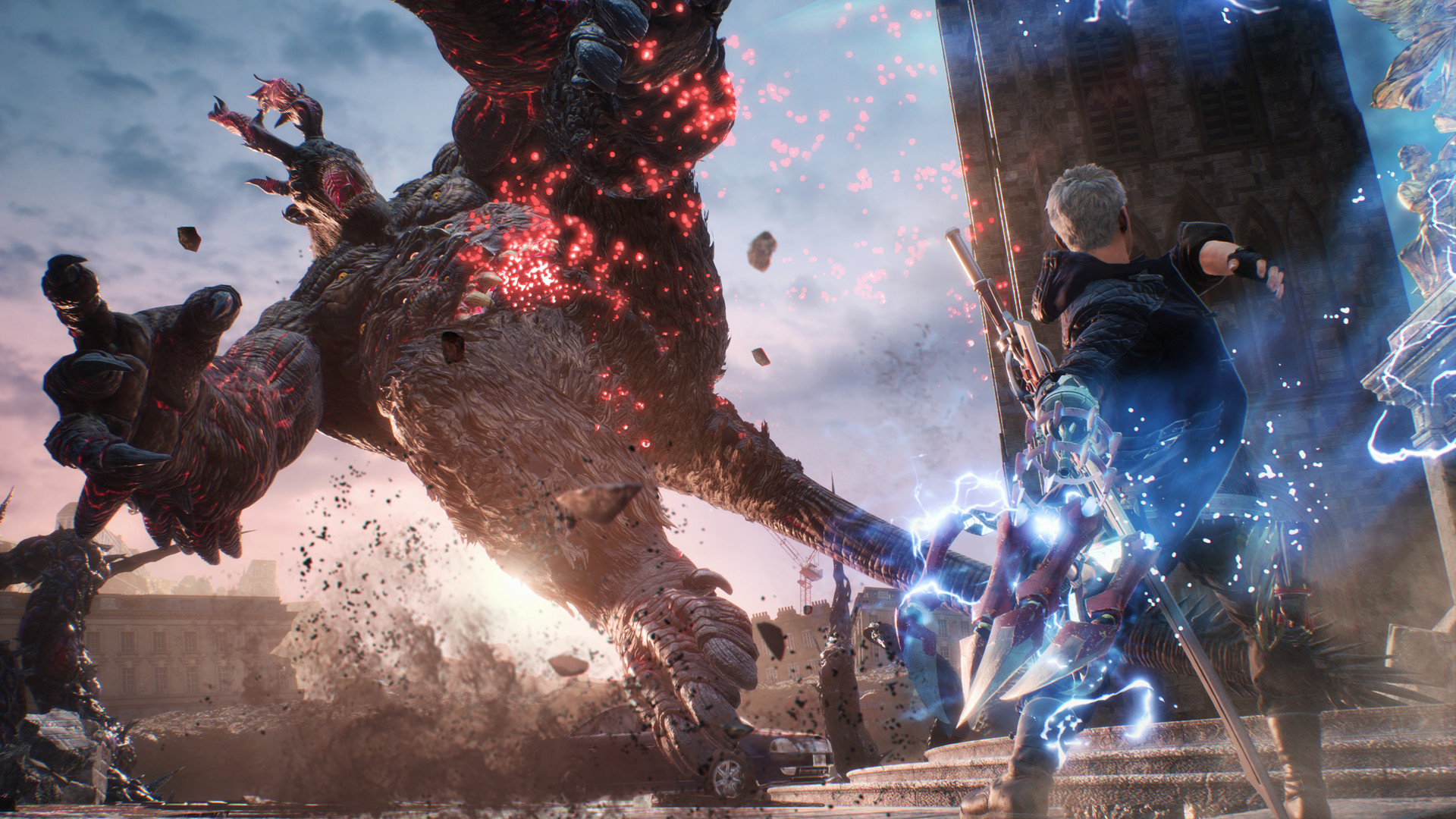
That’s a meaningful signal for anyone watching the platform’s future. If a game with this much motion, particle work, and camera pressure can land well, then the system’s port potential looks very healthy. Convinced yet?
Insider tip: when Japanese players praise a port, they often focus less on raw specs and more on 体感 (taikan, feel; firsthand sense), the sense of how the game feels. That’s a useful lens here. A game can have fewer bells and whistles, but if the taikan stays strong, the port succeeds in the way that matters most.
And yes, there’s a cultural angle too. Japanese gaming communities tend to respect efficiency, especially when a developer makes something work elegantly on modest hardware. That same appreciation shows up in everything from compact ryokan design to carefully arranged 弁当 (bento, boxed lunch), and it’s very much part of how Capcom’s best ports are being received. This is my absolute hidden gem!
Why this matters for Japan fans and learners
For Japan fans, Capcom’s recent port work is a reminder that technical craftsmanship is a huge part of the country’s game culture. It’s not always loud, and it’s rarely flashy in a press-release way, but people notice when a studio nails the details.
For learners, this is also a nice way to build real-world Japanese reading habits. If you follow game news in Japanese, search terms like pto, 成功 (seikou, success), and 再生 (saisei, playback / reproduction) often appear around port discussions, while fans debate whether something feels smooth or a little bit beratto, or heavy. Those small vocabulary patterns are easy to miss at first, but they make news posts and comments much easier to read over time.
But let's stick with Capcom for now. The company’s strength isn’t just that it can port games. It’s that it can port them in a way that respects both the hardware and the player. That’s the real headline here, and it’s why Devil May Cry 5 on Switch 2 is getting attention beyond the usual release chatter. Wait, there's more.
If Capcom keeps this pace, Switch 2 owners may end up with one of the most technically consistent third-party libraries Nintendo has seen in years. That would be a big deal, not just for gamers, but for anyone who likes seeing Japanese studios solve tough hardware puzzles with quiet confidence. more Japan news on jpnerd.com
In pictures
Frequently Asked Questions
Why is this port getting so much attention?
Because the game is fast, effects-heavy, and sensitive to performance issues, so a good result says a lot about the port team.
Is Capcom known for strong ports?
Yes. Capcom has built a strong reputation with multiple releases across Nintendo and other platforms over the past several years.
Why should Japanese learners care about game port news?
It’s a practical way to learn tech and gaming vocabulary while following a topic many fans already enjoy.