
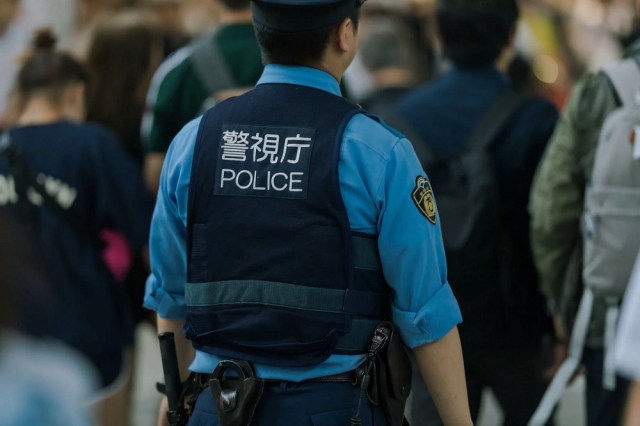
What I especially like here is the focus: no overexplaining, just a neat travel snapshot that makes you want to compare city energy in Tokyo with Kamakura’s slower coastal mood. Wild, isn’t it?



Know that feeling when a short travel clip says more than a long itinerary ever could? That’s the charm of this Japan travel clip dated 14 June 2026. It’s a simple Facebook post, but it lands squarely in the sweet spot for Japan fans, because it points to two places that feel almost like a contrast study: Tokyo and Kamakura.
The original post lives on Facebook, and that platform choice matters. A Facebook travel clip is usually built for fast sharing, quick reactions, and easy tagging, so the tone is naturally lighter than a long-form blog or a detailed guide. Basically: think mood, movement, and location names, not a full route plan. See what I mean?
Tokyo and Kamakura in one travel clip
Here’s the thing: Tokyo and Kamakura are only about an hour apart by train, but they give you very different Japan experiences. Tokyo is all pace, layers, and constant motion. Kamakura, by contrast, feels calmer, older, and more open to the sea breeze.
That contrast is probably why these two places work so well together in a social post. Tokyo gives you the modern edge, the neon, the stations, the crowds. Kamakura gives you temples, older streets, and a slower rhythm. No exaggeration: even a few seconds of footage can make that difference feel huge.
Why Japan fans respond to this pairing
What many overlook is that a Tokyo-and-Kamakura pairing is also a nice way to show that Japan trips don’t have to be either urban or traditional. You can do both in one day if you plan it well. From Shinjuku or Tokyo Station, the ride to Kamakura is straightforward, and that alone makes the combo popular with first-time visitors and repeat travellers alike.
My tip: if you’re learning Japanese, use clips like this for location vocabulary practice. Tokyo is Toukyou in romaji, Kamakura is Kamakura, and both names are easy to spot in captions, hashtags, and train announcements. That kind of repetition helps more than people think, especially if you’re still building confidence with place names. Sounds good, right?
Facebook travel hashtags and the social-post style
And it gets better: this kind of post usually leans on hashtags to do a lot of the work. Travel hashtags help the clip travel farther, sure, but they also frame the post instantly. When you see words like JapanTravel, Tokyo, or Kamakura, you know the angle right away, even before you press play.
That said, hashtags can also tell you something about intent. A clip with travel tags is rarely trying to be encyclopaedic, it’s trying to create a quick mood and invite a reaction. That makes it ideal for people who want light Japan content between study sessions, or for travellers collecting ideas for their next route. Classic Japan, isn't it?



How this helps language learners
Plot twist: even a short social post can be useful Japanese practice if you look at it the right way. Try paying attention to how the place names are written, how dates appear, and whether the post uses English-only tags or mixed-language tags. You’ll start noticing patterns fast, especially if you already know basic words like 旅 (tabi, travel) for travel, 町 (machi, town) for town, or 駅 (eki, station) for station.
Pro tip: write down three things after watching. First, the location names. Second, any cultural clues, like shrine imagery, station shots, or street scenes. Third, one sentence in simple English about the mood. That tiny habit makes social media feel less random and more like active study. Simply brilliant.
Why Tokyo and Kamakura keep showing up together
Picture this: you start the morning in Tokyo, grab a quick breakfast near a major station, then head south to Kamakura before lunch. By afternoon, you’re at a temple or coastal viewpoint instead of a crosswalk packed with office workers. That difference is the reason the route keeps appearing in Japan content, from travel blogs to Instagram reels to Facebook clips.
Fun fact: Kamakura was once the political centre of Japan during the Kamakura period, from 1185 to 1333. That historical weight still shapes how people see the city today. Tokyo, on the other hand, became the national capital in the late 19th century and grew into the vast urban centre we know now. Put them together in one post, and you get a tiny but very clear story about old Japan meeting modern Japan.
What I especially like is that this kind of clip doesn’t need dramatic editing to work. A station sign, a busy street, a temple path, a beach edge, and suddenly the viewer has context. If you know a bit of Japanese culture, you can fill in the rest yourself. That makes the post feel interactive, even when it’s short. See what I mean?
What to take away from the June 14, 2026 post
No matter how small the clip is, the date and places give it structure. 14 June 2026 tells you it’s a current-style travel post, while Tokyo and Kamakura give you clear geographic anchors. That clarity is useful for learners, because named places are easier to remember than vague travel talk.
My advice: don’t just treat short clips as entertainment. Use them to build your own Japan map in your head. Tokyo connects you to the present-day pace of the country, and Kamakura brings in history, temples, and a more relaxed atmosphere. Put them side by side, and you get a route that feels balanced and very Japan. Sounds good, right?
If you want more Japan updates, travel notes, and language-friendly reading, check out more Japan news on jpnerd.com.
Frequently Asked Questions
What is this Japan travel clip about?
It is a short Facebook travel post dated 14 June 2026 that highlights Tokyo and Kamakura.
Why are Tokyo and Kamakura often paired together?
They are close enough for an easy day trip, but they offer very different travel experiences.
Can Japanese learners get value from social travel posts?
Yes. Place names, dates, and simple captions are all useful for vocabulary and reading practice.


