
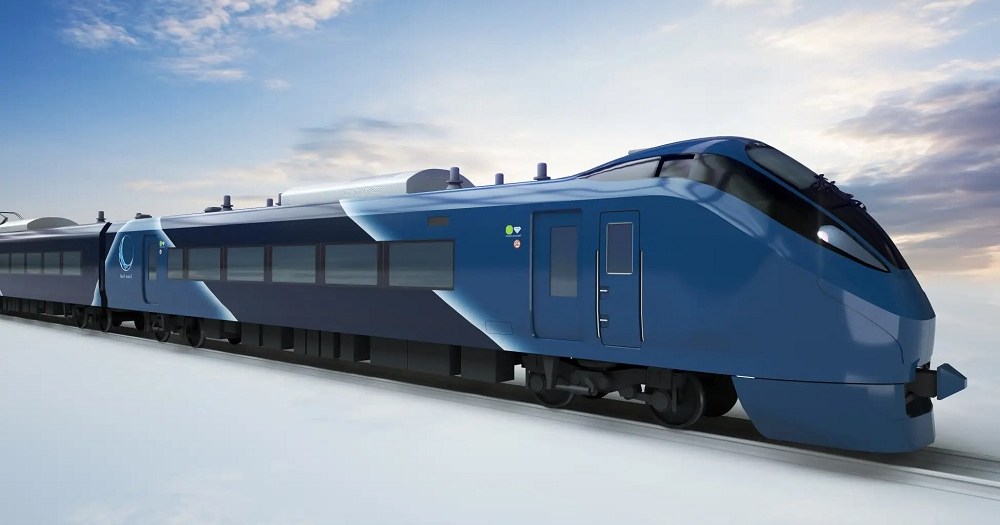
For Japan lovers, that’s a proper sleep-travel upgrade, and it also opens up a few lovely language and culture angles along the way.



New overnight train service between Tokyo and Tohoku feels like a throwback, but it also makes a lot of sense. Japan has always had a special relationship with trains, and this route taps straight into that mix of convenience, comfort, and quiet romance.
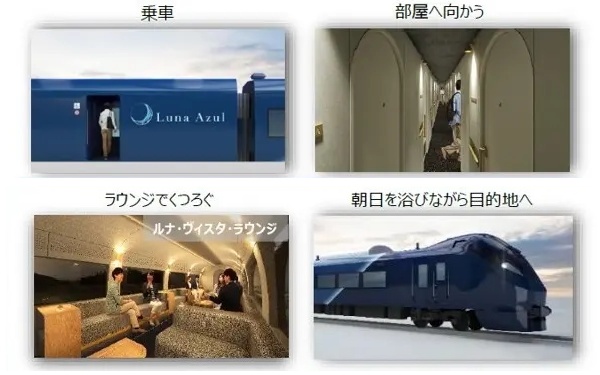
This isn’t just about getting from A to B. It’s about boarding in Tokyo at night, settling in, and rolling into northern Honshu with your day still intact. That changes the whole rhythm of a trip, and it’s why this announcement has grabbed so much attention. Sounds good, right?
Tokyo to Tohoku by sleeper train, a route built for real travel time
Tokyo is the obvious starting point, and that matters. The capital is where most international visitors land, and it’s also where the rail network fans out like a giant web of steel and punctuality.
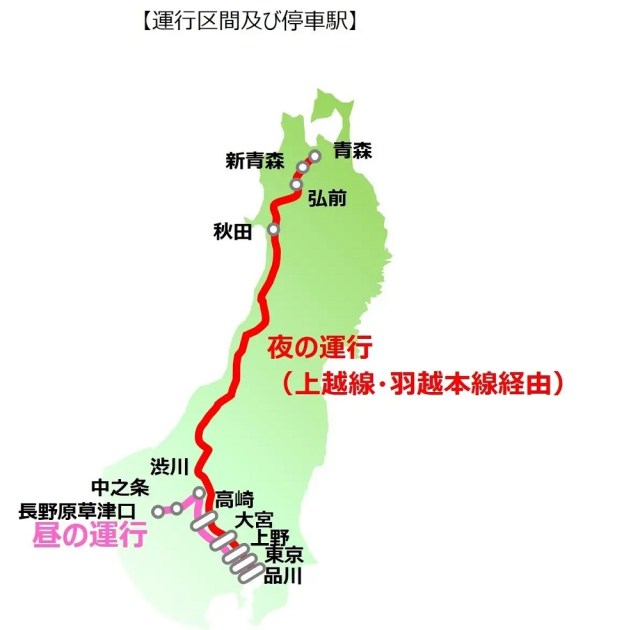
From there, the new overnight train is set to connect with Tohoku, the northeast region that includes prefectures such as Aomori, Iwate, Miyagi, Akita, Yamagata, and Fukushima. That region is huge, and it stretches from Sendai's city energy to remote hot spring towns and winter landscapes. No wonder, because Tohoku is one of Japan's best areas for slower, deeper travel.
What I especially like is that this kind of overnight service gives you a proper travel day on both ends. You don't burn hours sitting upright on a 新幹線 (shinkansen, bullet train) platform cycle, and you don't need to arrive in a rush, exhausted before the trip even starts. From my experience, that can make a big difference when you're planning a multi-stop Japan itinerary.
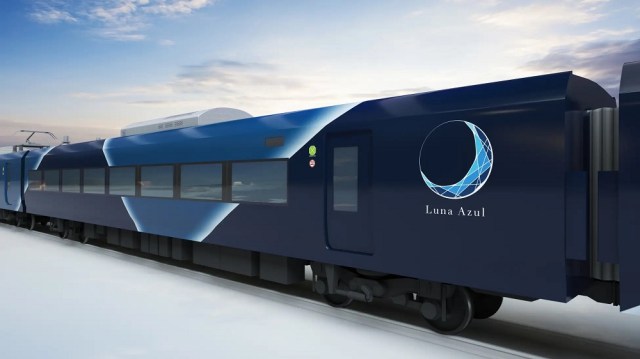
What sleep travel means in Japan, and why it still works
No joke: sleep travel has always had a loyal following in Japan. The country has a long history of overnight trains, from the classic Blue Train era to more modern premium sleeper concepts like the JR East Cassiopeia, which became famous for its elegant private compartments and long-distance luxury feel. Those services helped shape the idea that the journey can be part of the trip, not just the gap between two destinations.
And it gets better: even though many traditional sleeper trains disappeared, the appeal never really went away. Travelers still love the idea of saving on a hotel night, arriving early, and waking up with a new region outside the window. That's especially true for Tohoku, where early-morning light on the mountains or coastline can feel incredibly cinematic.
Trust me on this one: for Japan learners, this is also a great place to pick up useful travel vocabulary. Words like 列車 (ressha) for train, 宿泊 (shukuhaku, lodging; overnight stay) for lodging, and 新幹線 (shinkan-sen) for bullet train show up all the time when people compare transport options. If you ever chat with local rail fans, you'll also hear okujoi, meaning overnight, when they talk about long-distance services. But that's not all.
A practical route idea for visitors
Plot twist: the best use for a Tokyo-to-Tohoku overnight train may not be a simple point-to-point commute. It could be the start of a slow-travel loop. Imagine leaving Tokyo after dinner, sleeping on board, then spending the next day in Sendai for 牛たん (gyutan, beef tongue), or continuing to Morioka for わんこそば (wanko soba, small servings of soba noodles), or heading further north toward Aomori for apples, nebuta culture, and winter snow.



If the schedule lines up well, that would be ideal for travellers who want to avoid the usual hotel shuffle. My tip is to pair the train with one night in Tokyo at the start, then one or two nights in Tohoku, so you're not forcing too much into a single hop. That way the overnight ride feels like a highlight, not a compromise.
Why Tohoku is the perfect match for an overnight route
Let's be honest: Tohoku isn't always the first region first-time visitors think of. Tokyo, Kyoto, Osaka, and Hiroshima usually get the spotlight. But Tohoku rewards people who like space, seasonal scenery, and less crowded streets. In winter, there are snow festivals and onsen towns. In spring, cherry blossoms arrive a little later than in Tokyo, which is handy if you're chasing 桜 (sakura, cherry blossom) season. In autumn, the foliage can be spectacular.
That's why an overnight train feels so well matched to the region. It creates a gentle transition from the high-speed intensity of Tokyo to the calmer pace of the northeast. For a lot of travellers, that shift is exactly what makes Japan feel memorable. Wild, isn't it?
Highly recommended: if you're planning to use this kind of service, think about what kind of sleeper setup you prefer. Private rooms are quieter, curtain-style bunks can be cheaper, and some travellers care most about luggage space. In Japan, luggage is never a tiny detail, especially if you're carrying a suitcase, camera gear, and a rail pass folder stuffed with notes. But that's not all.

What Japan fans and learners should watch for next
Fun fact: new train services in Japan often become culture stories as much as transport stories. People compare seat layouts, bathroom design, window size, and boarding times with the same enthusiasm others reserve for hotel reviews. That means this new overnight connection will probably get a lot of attention from rail YouTubers, travel bloggers, and Japan news sites once the final service details are public.
For jpnerd.com readers, the interesting part is how this route blends language, geography, and travel planning. You'll see place names like Tokyo, Sendai, Aomori, and Tohoku in real-world context, and that makes them easier to remember than a vocabulary list ever could. Pro tip: if you're studying Japanese place names, try linking each one to a food, train line, or local event. Memory sticks better that way.
And if this service lives up to the early buzz, it could become one of those rare trips that rail fans talk about for years. Sleep, wake up, explore, repeat. Japan does that kind of travel very well.
For more updates like this, more Japan news on jpnerd.com.
In pictures
Frequently Asked Questions
What is the new overnight train connecting?
It is designed to link Tokyo with destinations in Tohoku, giving travellers a sleep-friendly way to cover the distance.
Why are overnight trains popular in Japan?
They save daytime travel time, can reduce hotel costs, and let passengers arrive early and rested.
Is Tohoku worth visiting for first-time travelers?
Yes, especially if you want quieter cities, seasonal scenery, hot springs, and a slower travel pace.


