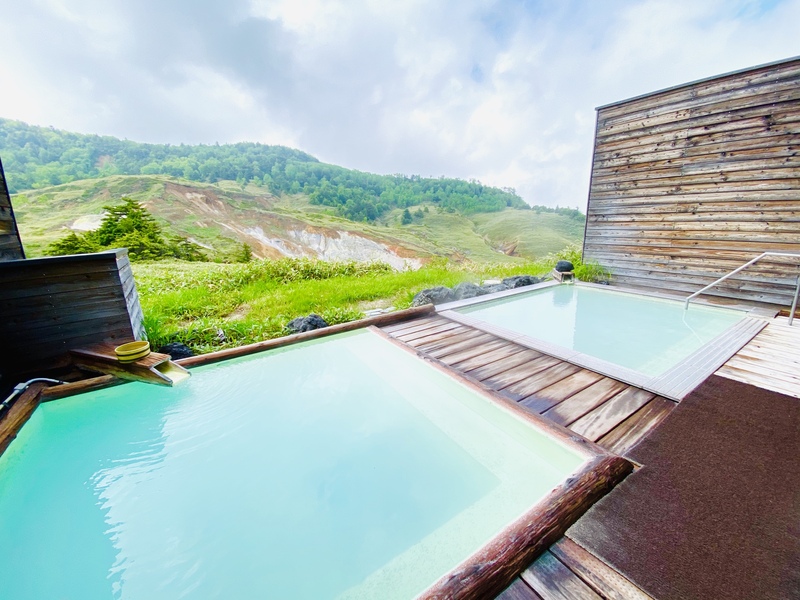
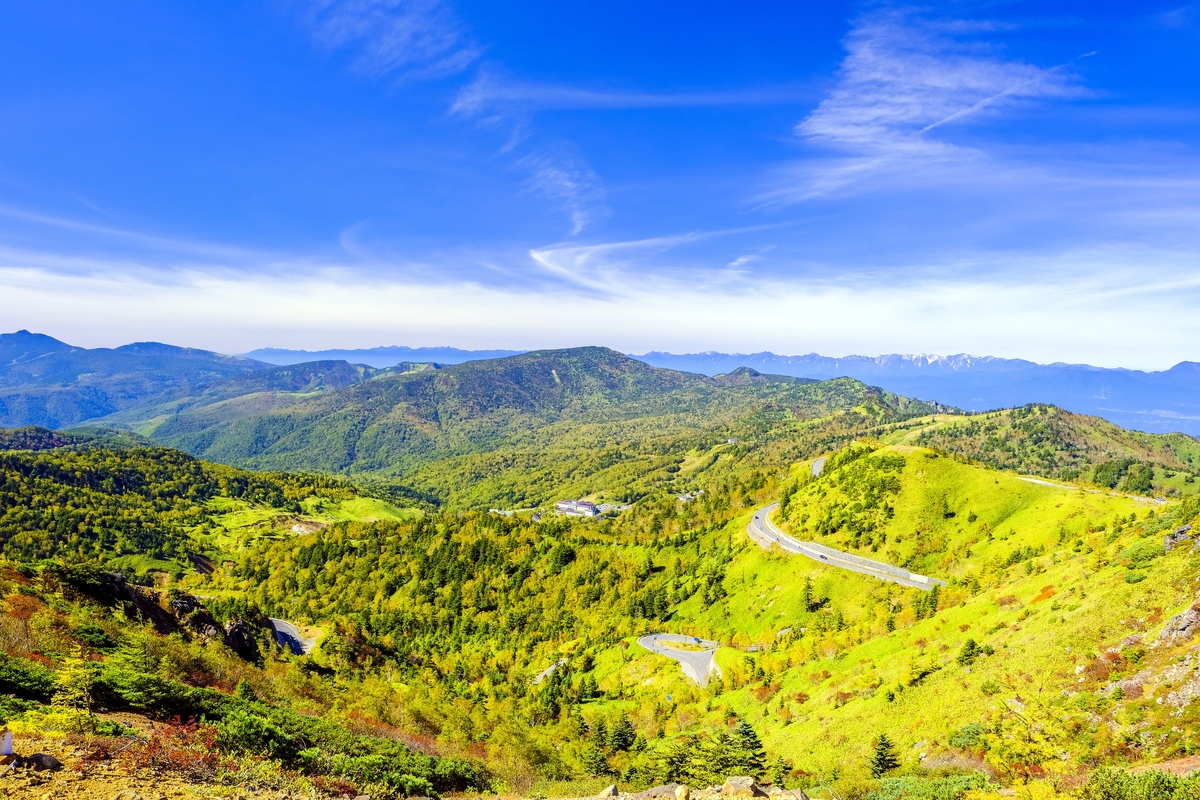
Manza Onsen sits at about 1,800 metres in Tsumagoi Village, Gunma Prefecture, on the slopes of Mount Shirane in Joshinetsu Kogen National Park. The air is thin, the scenery is open, and the hot spring water is famously strong, cloudy, and sulphur-rich. That contrast is the whole appeal, and it’s why so many Japan fans keep putting this place on their list. Sounds good, right?
Manza Onsen: where sulphur steam meets highland weather
Let me show you why Manza Onsen feels different from the usual spa town. This isn’t a compact street lined with souvenir shops, it’s a mountain plateau with hotels, public baths, hiking paths, and wide views that change fast with the weather. In winter, snow can pile up deep enough to make the whole area feel like a remote alpine resort, while in summer you get cool air, green hills, and a surprisingly comfortable base for short walks.
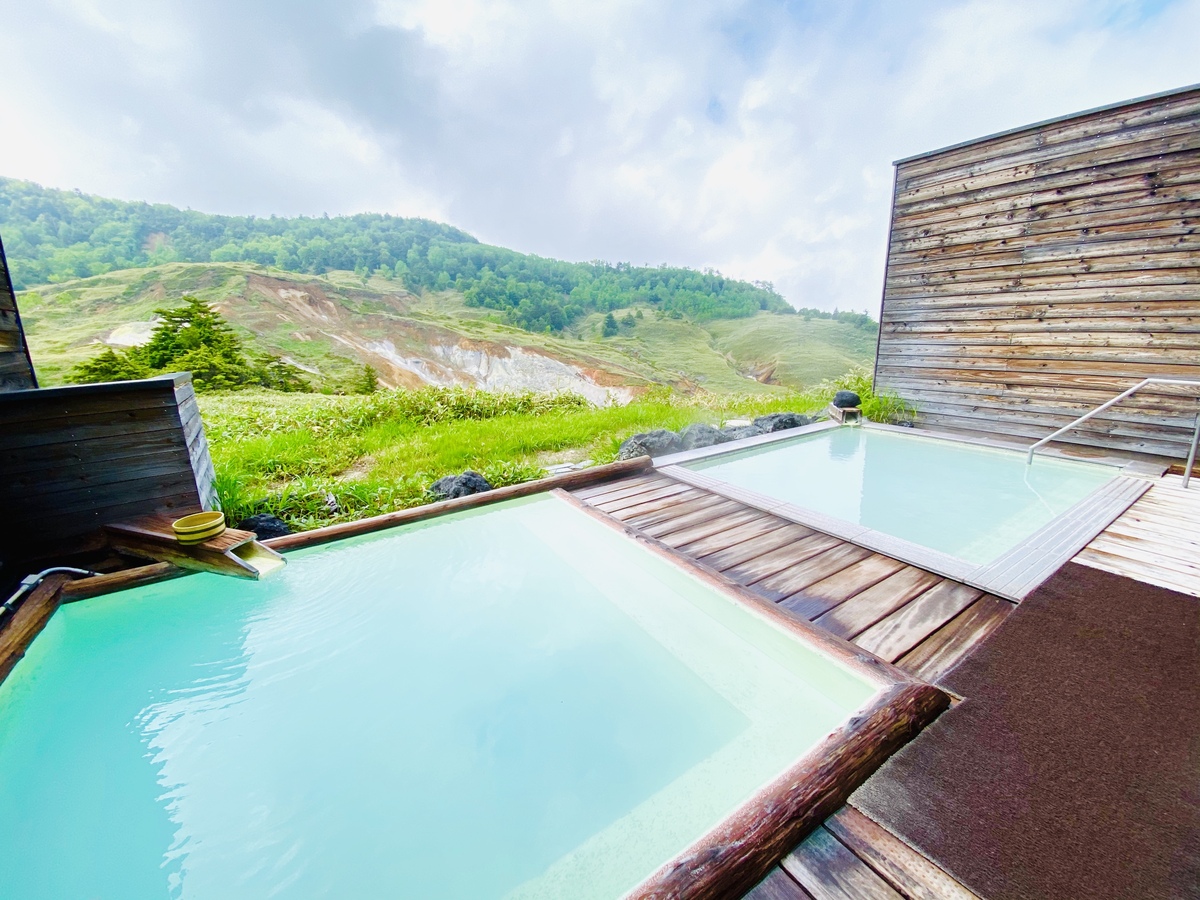
The springs here are famous for their milky appearance and sulphur smell, and that smell is not subtle. To be fair, some first-time visitors need a minute to get used to it. But if you like old-school onsen character, this is exactly what you want, and the water feels intensely mineral-rich on the skin. My tip: bring a towel you don’t mind getting a light sulphur scent, because it can linger. Convinced yet?
What makes the water special
Manza’s source water is often described as acidic and highly sulphurous, which gives the baths their cloudy white colour. Many ryokan in the area tap into the same volcanic hot spring system, so even a simple soak can feel very different from a standard city bath. The best part is you don’t need to be an onsen expert to notice the difference, you’ll smell it before you see it. No joke, the first waft of sulphur is practically part of the welcome.
For Japanese learners, this is a nice place to pick up practical vocabulary. Onsen means hot spring, 浴衣 (yukata) is the light cotton robe you may wear in a ryokan, and gakujitsu is not the word you need here, so keep it simple and listen for words like 宿 (yado, inn; lodging), 露天風呂 (rotemburo, open-air bath), and 掛け流し (kakenagashi, flow-through hot spring water). If you’re checking menus, signs, or shuttle notices, that little bit of vocabulary goes a long way. Wait, there’s more.
Getting to Manza Onsen: access, buses, and winter realities
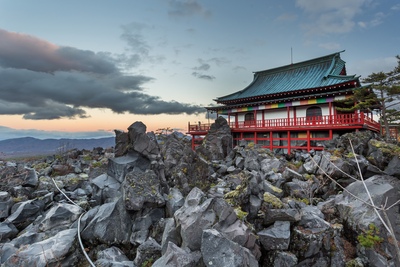
Access is doable, but don’t treat Manza like a quick suburban stop. From Tokyo, the common route is to take the JR Nagano 新幹線 (Shinkansen, bullet train) or Joshinetsu service towards Takasaki or Karuizawa, then connect by local train and bus through the mountain area. Another practical option is to use express buses or a rental car from the broader Karuizawa or Nagano region, especially if you want to combine the trip with other highland sights. That’s why planning matters here more than at a city onsen.
Let’s be honest, winter changes everything. Roads can be snowy, conditions can shift fast, and you may need snow tyres or chains if you drive. If you’re relying on public transport, check the seasonal bus timetables before you go, because services can be reduced outside peak periods. For example, a sunny summer schedule and a snowy January schedule are not the same story at all. Sounds good, right?
One practical detail that saves stress: the plateau location means temperatures can drop sharply after sunset, even in the warmer months. Bring layers, sturdy shoes, and cash for small purchases just in case. If you’re staying overnight, a ryokan near the baths makes the whole visit much easier, because you can walk out for an evening soak without worrying about last buses or parking. Simply brilliant.
Karafuki and Ushiike walks: the best short hikes around Manza Onsen
I still remember exactly how the sulphur steam looked against the dark rock near the walking paths. The Manza area is not just about bathing, it’s also one of the best places in Gunma for short nature walks that don’t require serious mountaineering gear. Two names come up again and again: Karafuki Walk and Ushiike Walk. These are the routes I’d recommend first if you want scenery without overcommitting.



Karafuki Walk
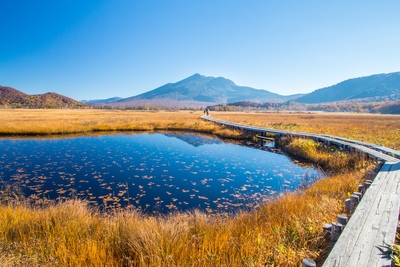
Karafuki is the walk that puts you closest to the active volcanic feel of the area. Expect steaming vents, sulphur-stained ground, and open views that make it easy to understand why this plateau has such a strong geothermal identity. The path is fairly straightforward, but surfaces can be uneven, so proper shoes are better than sandals. For example, if you’re used to city strolls in Tokyo, this one feels more like a real mountain outing, even though it isn’t a full-day trek.
What I especially like is that the route gives you a very direct sense of place. You’re not just seeing a hot spring town, you’re walking through the landscape that makes the hot spring possible. Insider tip: go early or late in the day for softer light, because the steam and rock look much better in photos then. Wait, there’s more.
Ushiike Walk
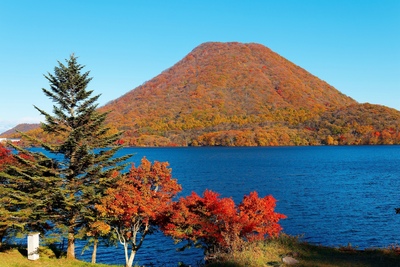
Ushiike is calmer and greener, with pond scenery that balances out the harsher volcanic look of the Karafuki side. The walk works well if you want a gentle loop after soaking, and it gives you another angle on the highland environment around Manza. To be fair, this is the route I’d choose if the weather is a bit windy or if you want a less exposed option.
Both walks are good checks before or after a bath, especially if you’re trying to build a one-day Manza plan. Start with a soak, eat something simple, then head out for a short walk, or flip the order if you prefer to warm up your legs first. Pro tip: keep an eye out for wet sections and sudden temperature changes, because the plateau can feel much colder than nearby lowland areas. Sounds good, right?
How to plan a Manza Onsen stay without wasting time
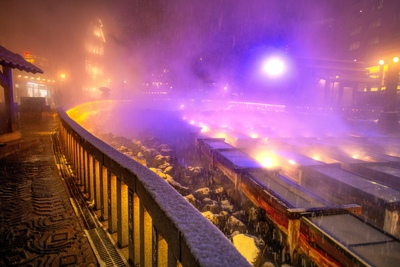
If you only have one day, focus on the essentials, one long bath, one short walk, one proper meal. That’s enough to make the trip feel complete. If you have a night, even better, because evening steam in the cold mountain air is one of the reasons people come here in the first place. This is my absolute hidden gem!
My tip: choose accommodation based on access to the bath and not just the room rate. In a place like Manza, the onsen experience is the point, so a ryokan with good rotemburo access can be worth much more than a slightly cheaper room elsewhere. If you’re a Japanese learner, this is also a nice chance to read signs for bath hours, closed sections, and shuttle pickup times in real context, not textbook examples. Convinced yet?
Manza Onsen works because it combines three things cleanly: strong sulphur springs, a high plateau setting, and easy short walks that make the area feel active rather than sleepy. You don’t need a packed itinerary here. You just need time, warm clothes, and a little curiosity. That’s usually enough for a very good mountain onsen day. more Japan news on jpnerd.com
In pictures
Frequently Asked Questions
Is Manza Onsen good for a first onsen trip?
Yes, if you like mountain scenery and don’t mind a strong sulphur smell. It feels more rustic than a city bath.
Can you visit Manza Onsen without staying overnight?
Yes, but an overnight stay is easier. A day trip works best if you check transport and bath hours in advance.
Are the Karafuki and Ushiike walks difficult?
No, they’re generally short and manageable, but you should wear proper shoes and be ready for mountain weather.