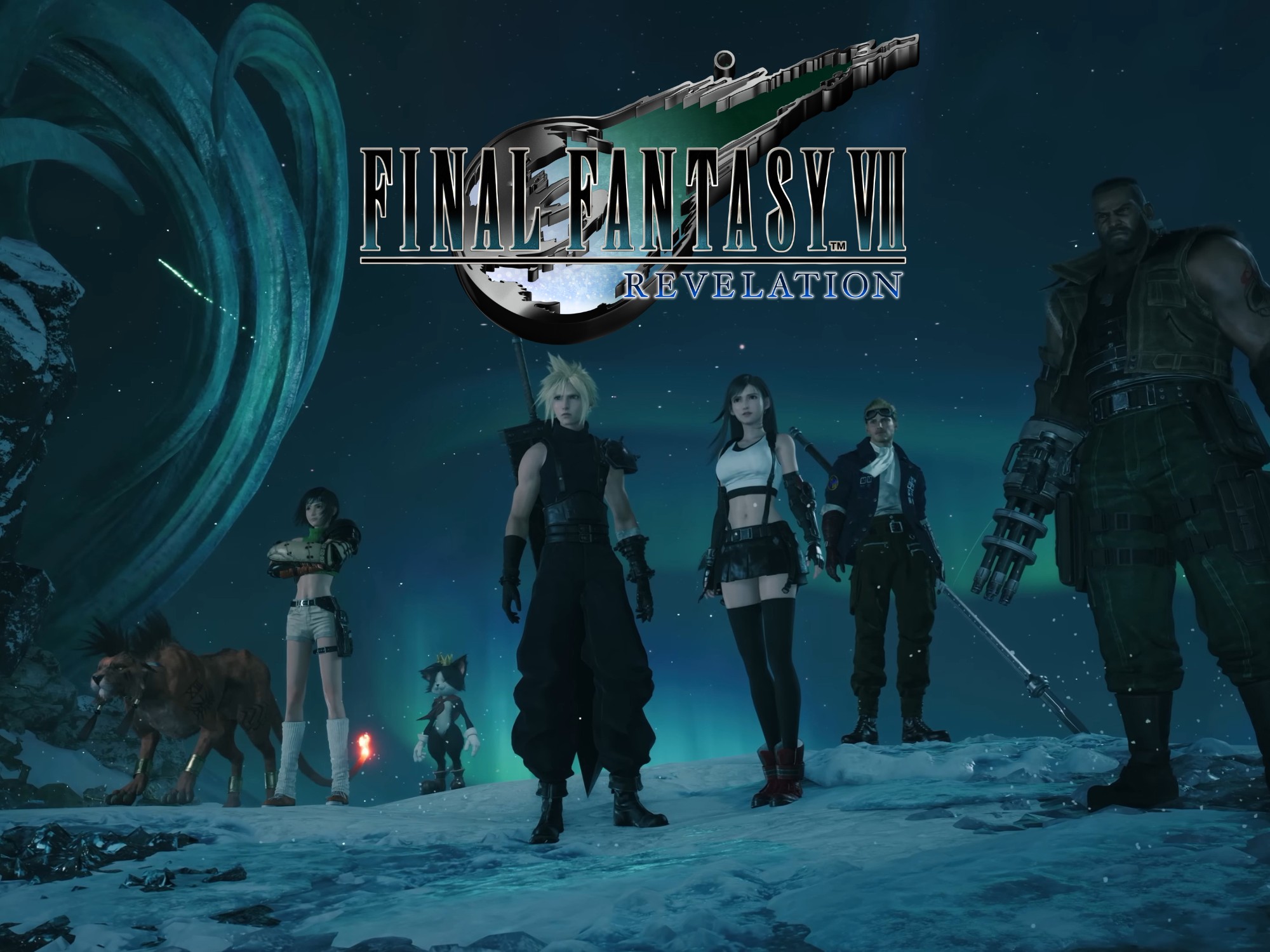
Hand on heart, naming a game like this is never just a creative afterthought. It’s got to fit the tone, the project structure, and the expectations around one of the most famous JRPG series ever made.


Final Fantasy 7 Revelation and the thinking behind the name
Final Fantasy 7 Revelation is the sort of title that makes fans stop and look twice. Guess what? That reaction is exactly what a subtitle for a major Square Enix release needs to trigger, because the name has to feel dramatic, memorable, and very Final Fantasy without sounding pasted on.
Naoki Hamaguchi, who’s become one of the key public faces of the Final Fantasy VII remake project, explained that the team didn’t just pick a cool-sounding word and move on. The title had to reflect where this part of the project sits in the larger production plan, and it had to work as a label for a big story chapter in a long-running JRPG saga. The reason’s simple: in Japanese game development, a subtitle is part marketing, part story framing, and part promise to the player.
What many overlook is that Japanese titles often carry a lot of implied meaning in very few words. A word like revelation suggests a turning point, a reveal, a shift in understanding. For a franchise built on mystery, memory, and mythic drama, that fits nicely. Sounds good, right?
Naoki Hamaguchi, Square Enix, and the JRPG production context
Naoki Hamaguchi didn’t arrive at this project from nowhere. He’s been deeply involved in the modern Final Fantasy VII lineup, including the ongoing remake trilogy structure that Square Enix has been shaping for years. No exaggeration, this is one of the most carefully managed JRPG productions of the last decade.

To be fair, the naming process at a company like Square Enix is never isolated to one person sitting at a desk and tossing ideas into a notebook. There are producers, directors, scenario staff, brand teams, and probably more approval layers than most fans would guess. When a project is this large, the subtitle has to survive conversations about overseas marketing, sequel recognition, platform branding, and how it’ll look on a shelf next to Final Fantasy VII Remake and Final Fantasy VII Rebirth.
On a related note, this is where the Japanese production mindset becomes really interesting. JRPG naming often balances poetry and clarity. A title needs enough emotional weight for domestic fans, but it also has to be readable for players in North America, Europe, and beyond. Square Enix knows that Final Fantasy carries global name recognition, yet each subtitle still has to tell a piece of the story. That’s not easy, and it’s one reason why naming news can be so revealing for people who study how Japanese games are made.
The first time I went to Japan, I was struck by how much care is given to presentation, whether it’s a ryokan sign, a department store display, or a game announcement on a giant screen in Shibuya. Final Fantasy naming works a bit like that. It’s branding, yes, but it also sets an atmosphere before you even press start.
Why Revelation works as a Final Fantasy VII subtitle
Unlike what we’re used to with many Western game franchises, Japanese series titles often carry layered symbolism. Revelation can imply hidden truth, spiritual awakening, or a dramatic unveiling, and that makes it a strong fit for a story-heavy RPG. In Final Fantasy VII, where identity, memory, and fate are always in conflict, the word feels like it belongs there.
My tip: if you’re learning Japanese and you like game titles, pay attention to how English words are used in Japanese media. They’re often chosen not just for dictionary meaning, but for tone. Revelation sounds serious, elevated, and a little theatrical, which is exactly the kind of energy a Final Fantasy subtitle needs. If a game title feels too plain, it probably won’t survive the Square Enix branding room for long.
There’s also a practical side here. Final Fantasy VII Remake started a conversation about whether each new entry would use a subtitle that clearly signals a new stage in the story. That matters for fans following the series over multiple releases, because the title itself helps map the journey. Hand on heart, that kind of consistency makes large JRPG projects easier to track, especially when you’re reading news in Japanese or watching developer interviews with subtitles.

What this means for Japanese learners and fans
What I especially like is that this kind of naming story is a great little language lesson. Words like revelation, rebirth, and remake aren’t just English marketing terms in a vacuum; they become part of a Japanese game vocabulary shared by fans around the world. If you read Japanese articles about the series, you’ll often see discussions about 和製英語 (wasei-eigo, Japanese-made English; pseudo-English), meaning English-style terms used in Japanese media with their own flavour.
Insider tip: try comparing how Japanese game sites phrase subtitle announcements with how English outlets report them. Even a small difference in wording can show how a company wants the audience to feel. A name is never only a name in a JRPG context; it’s a signal about scope, mood, and direction. Sounds good, right?
For fans of Japan and Japanese language learners, this is exactly the kind of behind-the-scenes detail that makes game news more rewarding. You’re not just watching a trailer, you’re seeing how a major Japanese studio packages a story for a global audience. That’s where the language, the business side, and the fan culture all meet.
In pictures


Frequently Asked Questions
Who explained the name Final Fantasy 7 Revelation?
Naoki Hamaguchi explained how Square Enix arrived at the title.
Why is the subtitle important?
It helps signal the tone and story role of the game within the wider Final Fantasy VII project.
Why should Japanese learners care about this news?
It shows how Japanese game companies choose titles, and how English words are used in Japanese media and branding.
Want more Japan and game news? more Japan news on jpnerd.com