
Know that feeling when a place sounds quiet, then turns out to be exactly the kind of calm you needed? That’s Tokachigawa. If you like ryokan stays, regional food, and a bath that feels rooted in the local landscape, this corner of eastern Hokkaido is just brilliant.



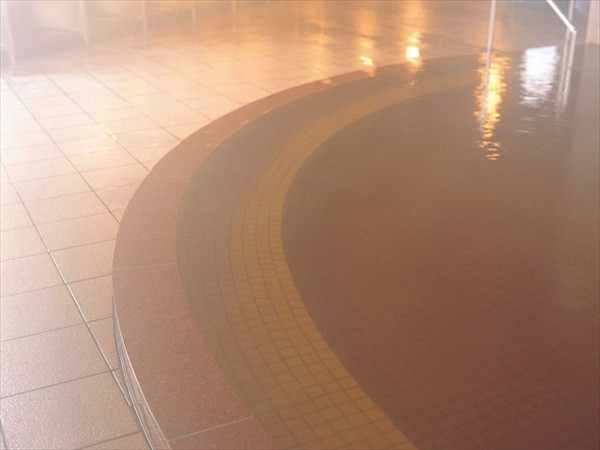
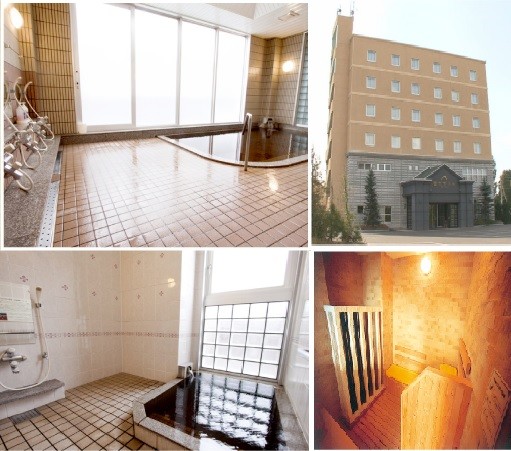
Hokkaido moor onsen don’t look like the postcard version of a Japanese hot spring, and that’s exactly the charm. Instead of crystal-clear water, you get a soft brown bath with a gentle, almost tea-like colour, created by ancient plant deposits in the ground. The result is a spring that feels silky, a little earthy, and very different from the usual onsen experience.
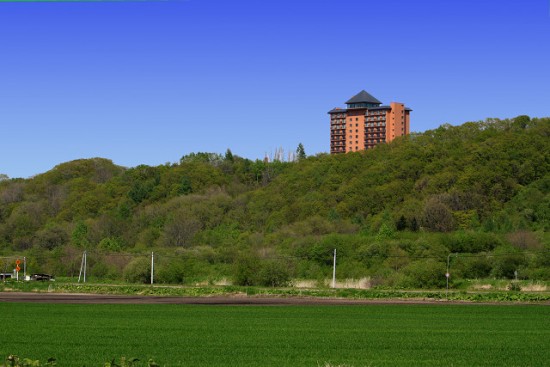
Cohort directive A: if you’re planning a Hokkaido trip and want something beyond Sapporo and ski towns, put Tokachigawa Onsen on your list. It’s in Obihiro, in eastern Hokkaido, and it’s the best-known moor onsen area in Japan. The water is famously alkaline and mild on the skin, and the whole town leans into slow travel, good sleep, and long soaks.
What Makes Tokachigawa Onsen a Moor Spring
Ever wondered why these baths are called moor onsen? The term comes from moor, a German word used in Japan to describe spring water that passes through thick layers of plant matter and peat. That process gives the water its amber-brown look and a softer texture, which many bathers say leaves the skin feeling smooth. No joke: it’s one of the few hot-spring styles in Japan where the colour itself is part of the appeal.
Tokachigawa’s water is also known for its low irritation. That makes it a good pick if stronger sulfur springs can feel too intense for you. On the flip side, it’s not the dramatic, eggy onsen smell people often expect, so first-timers sometimes think, “Is this really a hot spring?” It is, and the local geology is the whole point. Wild, isn’t it?
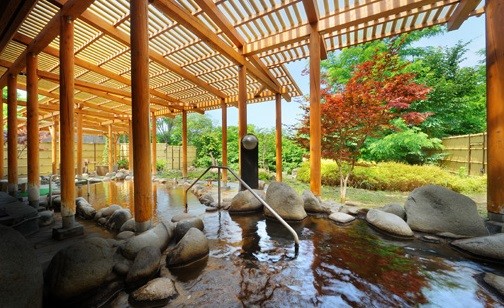
While we're at it: this is a great place to learn a useful Japanese word, onsen, meaning hot spring. You’ll also hear ryokan for traditional inns, and 浴衣 (yukata, light cotton robe) for the light cotton robe many guests wear around the property. Those three words alone will get you much farther in Japan travel conversation than you might think.
Best Ryokan in Tokachigawa Onsen
Here's the thing: a moor onsen stays with you longer when you sleep at a proper ryokan, and Tokachigawa has several excellent ones. The area isn’t huge, so the inns are close enough to make your stay feel contained and peaceful. That’s why the choice of ryokan matters so much here, because each place leans into the spring in a slightly different way.
Sasai Hotel
Sasai Hotel is one of the most recognisable names in Tokachigawa Onsen. It’s a large ryokan with both indoor and open-air baths, so you can enjoy the moor water in different settings. What I especially like is the feeling of space; it’s easier to settle in when you’re not rushing around. If you want a classic hot-spring stay with plenty of facilities, this is a strong choice. Sounds good, right?



Daiheigen Hotel
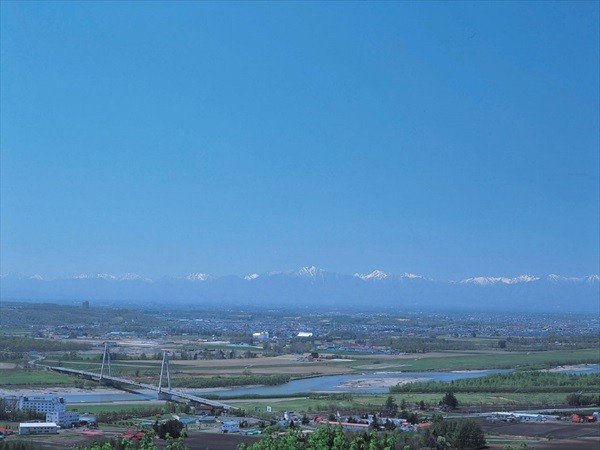
Daiheigen Hotel, often translated as the “great plain” hotel, fits the Hokkaido mood well. It has a more resort-like scale, and its bath areas make the most of the local spring water. The reason is simple: Tokachi’s landscape is broad, open, and calm, and this hotel reflects that atmosphere. For travellers who like a big communal bath and an easygoing schedule, it works well.
Kangetsuen
Kangetsuen is a solid pick if you want a ryokan that feels polished but not stiff. Its bath quality is the star, and the property is known for its reliable hospitality and comfortable rooms. My tip: if you’re deciding between several inns, check whether your rate includes dinner and breakfast, because ryokan meals here can be a real part of the experience. You’ll be glad you did.
Quick detour: if you’re building Japanese reading practice, compare the names of these inns with the kanji you’ll see on signs and booking sites. Even if you only know the romaji, spotting the same name on a station shuttle, a leaflet, or a reservation page helps your eye learn faster. That small habit pays off quickly, see what I mean?
What to Do Besides Soaking
Picture this: you wake up after a long bath, have breakfast in the ryokan dining room, then head out for a short walk in the Tokachi countryside. That rhythm is what makes Tokachigawa more than just a bath stop. The area is close to Obihiro, a city famous for dairy, wheat-based food, and the beloved 豚丼 (butadon) pork rice bowl, so you can mix hot-spring calm with very local eating.
On a related note: winter is especially nice here because the cold air makes the warm water feel even more inviting. Hokkaido weather can be harsh, and that contrast turns a bath into an event. If you visit in warmer months, the slow pace still works, but the snowy season gives Tokachigawa an extra layer of atmosphere. Just brilliant.
For Japan fans, this is also a good area to notice how hot springs and hospitality go together. Staff will often explain bath rules, towel use, and meal timing clearly, which is helpful if your Japanese is still basic. Look out for everyday words like 混浴 (konyoku, mixed bathing) for mixed bathing, 大風呂 (daiburo, large bath) for large bath, and 露天風呂 (rotenburo, open-air bath) for outdoor bath. You don’t need to speak fluently to enjoy the stay, but learning a few terms makes everything smoother.
That’s why Tokachigawa stands out in a country full of famous bathing destinations. It isn’t trying to be flashy, and it doesn’t need to be. The moor water, the ryokan culture, and the open Hokkaido setting do the work for it.
Frequently Asked Questions
What is a moor onsen?
It is a hot spring with brown, plant-rich water formed by peat and organic layers in the ground.
Why is Tokachigawa Onsen famous?
It is the best-known moor onsen area in Japan and is valued for its gentle water and ryokan stays.
What is the best way to enjoy Tokachigawa?
Stay at a ryokan, soak in the baths more than once, and pair the trip with local food in the Obihiro area.


