
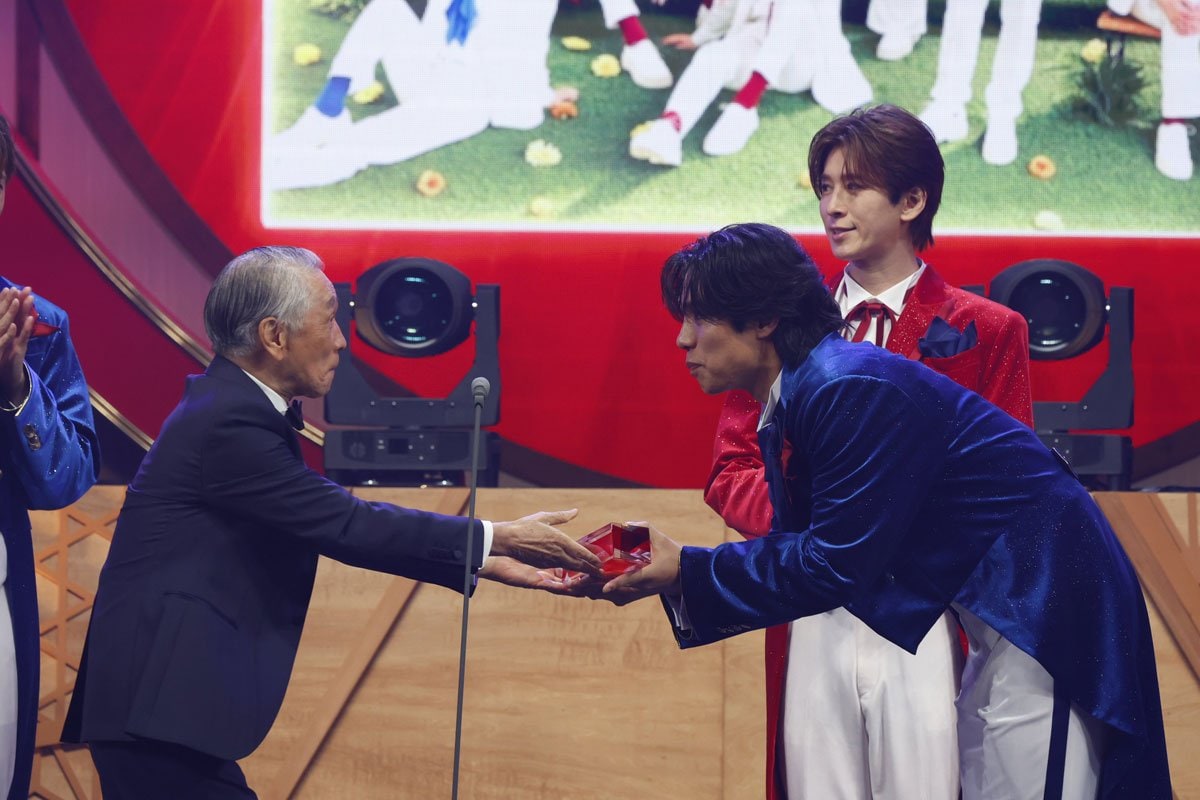
This is a journey, in more ways than one. The two groups aren’t just getting attention for their songs, but for how they sit between old-school Japanese melody, modern idol energy, and that very Japanese love of polished performance.
SHOW-WA and MATSURI made a serious statement at MUSIC AWARDS JAPAN, taking home a trophy in Tokyo and giving the 演歌 (enka, Japanese ballad song)-歌謡曲 (kayokyoku, Japanese popular song genre) corner of the industry a fresh pop culture spark. If you follow Japanese music, or you’re learning the language through songs and variety shows, this win is worth a closer look.
This is a journey, in more ways than one. The two groups aren’t just getting attention for their songs, but for how they sit between old-school Japanese melody, modern idol energy, and that very Japanese love of polished performance.
SHOW-WA, MATSURI, and the MUSIC AWARDS JAPAN spotlight
What most people don’t know is that the biggest music moments in Japan are often not about raw numbers alone, but about how well an act lands inside a genre tradition. That’s exactly why SHOW-WA and MATSURI matter here. At MUSIC AWARDS JAPAN, they were recognised in the 演歌・歌謡曲 (enka-kayokyoku, enka and kayokyoku; traditional Japanese pop genres) space, which still carries real weight in Japanese music culture, even as pop and streaming dominate the headlines.
Let’s be honest: when people outside Japan hear enka, they often picture only sad ballads and old TV specials. That’s too narrow. Enka and kayokyoku have always been tied to atmosphere, phrasing, and a kind of emotional directness that Japanese listeners know immediately, and SHOW-WA and MATSURI are clearly working that lane with a modern stage sensibility.

Here’s the kicker: the award wasn’t some small internet-only nod. It happened in Tokyo, on a major industry stage, with the kind of trophy that tells broadcasters, labels, and fans that these artists are part of the conversation now. That matters. It really does.
Why this win matters in the enka-kayokyoku world
Take enka and kayokyoku, for instance. They’re often grouped together by casual listeners, but in Japan there’s a real texture to the distinction. Enka leans into postwar sentiment, dramatic vocals, and seasonal melancholy, while kayokyoku is the broader old-style pop category that shaped TV, radio, and family listening for decades. SHOW-WA and MATSURI tap into that older emotional language, but they do it with a newer, cleaner, more stage-friendly presentation.
A genre with old roots and new audiences
Compared with back home, where genre labels can feel loose and constantly remixed, Japanese music still keeps these historical shelves very neat. That’s useful, especially if you’re learning Japanese. Words like enka and kayokyoku aren’t just music terms, they point to whole eras of taste, and you’ll hear them in conversation whenever people talk about “nostalgic” songs or older performers.
By the way, if you’ve ever watched a Japanese music show and wondered why the crowd reacts so strongly to careful vocal delivery, this is part of the answer. A well-held note, a little vibrato, a deliberate pause… Japanese audiences notice. They really do.
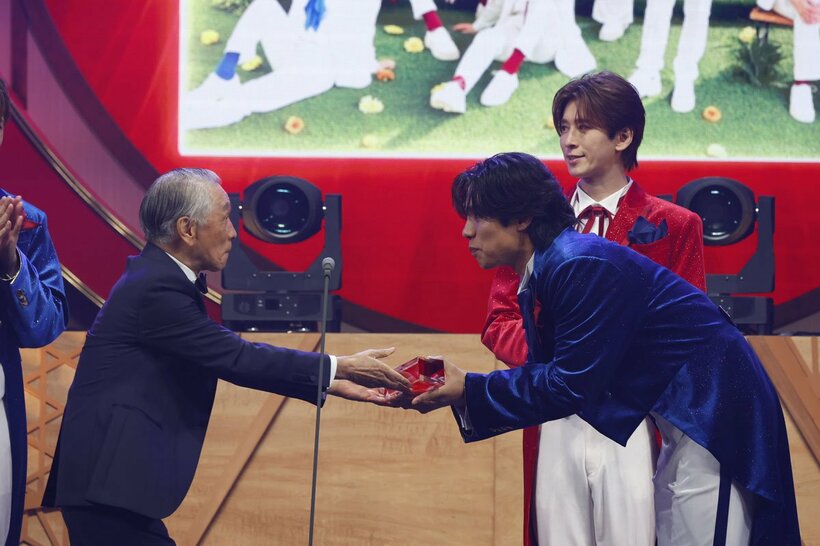
What I especially like is that this kind of win reminds us that Japanese pop culture is not only about youth trends. There’s also respect for craft, lineage, and performance discipline. In Japan, a trophy can mean, “you’ve earned a place in the room,” not just “you trended this week.” Sounds good, right?
A Tokyo trophy with real pop culture weight
Speaking of which, the Tokyo setting matters more than it might first seem. Tokyo is where music business decisions, media coverage, and fan attention all collide, and an award there can ripple outward fast. One night on stage can turn into next week’s TV booking, the next magazine feature, and a thousand comments from people who were only half paying attention before.
On the flip side, Japan’s music market is still full of lanes that don’t always travel internationally. Enka, kayokyoku, and their modern descendants can be huge domestically while staying almost invisible abroad. That makes a trophy like this especially interesting for Japan fans, because it offers a glimpse into a scene that is very much alive, just tucked away from the global spotlight.
Here's the deal: these awards also feed a broader pop culture story. SHOW-WA and MATSURI aren’t only “traditional” acts in a museum sense. They exist in a media ecosystem where variety shows, social clips, fan events, and visual presentation all matter. In other words, they’re part of the same celebrity machinery that helps make Japanese entertainment feel so layered.
What Japanese learners can pick up from this story
My tip: when you read music news in Japanese, look for category words and performance verbs. You’ll see terms like 賞 (shou, award; prize) (award), 受賞 (jushou, award win; receiving an award) (to receive an award), 公演 (kouen, performance; show) (performance), and katsudou (activity, as in an artist’s work). These show up everywhere in entertainment coverage, and they help you follow the story even if you don’t catch every lyric.
Insider tip: Japanese music articles also love framing. A headline may emphasise “traditional” appeal, but the body text often hints at strategy, image, and audience reach. That’s where the real story sits. If you’re studying Japanese, try reading one article twice, once for names and awards, once for the verbs and adjectives around them. It’s simple, but it works.
The first time I went to Japan, I thought the entertainment world would be split neatly between old and new. It isn’t. That border is always moving, and wins like this show how flexible Japanese pop culture can be. SHOW-WA and MATSURI are proof that an act can feel familiar, current, and slightly nostalgic all at once. Simply brilliant.
Frequently Asked Questions
What did SHOW-WA and MATSURI win?
They received a trophy at MUSIC AWARDS JAPAN in Tokyo, with recognition in the enka-kayokyoku area.
Why is this award important?
It gives real industry visibility and shows that traditional-pop styles still have a strong place in Japanese music.
Is this useful for Japanese learners?
Yes. Music news is a great way to pick up vocabulary, genre terms, and the language used in entertainment reporting.
For more stories like this, see more Japan news on jpnerd.com.


