What many overlook is that this isn’t just cute branding, it’s smart rail marketing with real reach. If you’re studying Japanese, this is also a neat way to pick up everyday words, character culture, and how Japanese companies build campaigns that people actually want to follow.
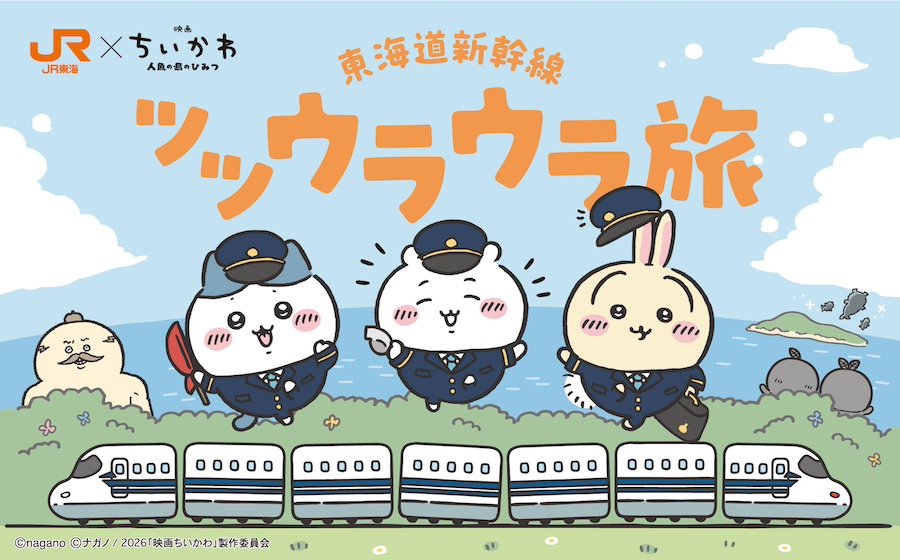
Did you know that JR Central has turned the Tokaido 新幹線 (Shinkansen, bullet train) into a Chiikawa showcase? The campaign brings together one of Japan’s most famous rail operators and one of its most recognisable character brands, and the result is pure pop-culture chemistry.
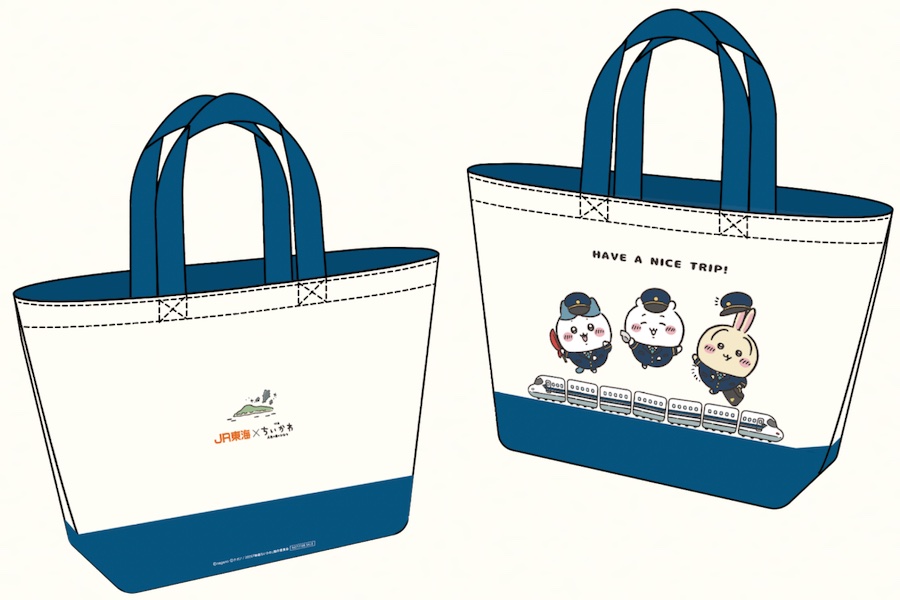
For fans, it’s a treat. For language learners, it’s also a very Japanese kind of story, where branding, travel, and 可愛い (kawaii, cute) culture all sit in the same sentence without feeling forced.
JR Central and the Tokaido Shinkansen: a perfect stage
JR Central, officially Central Japan Railway Company, runs the Tokaido Shinkansen between Tokyo, Nagoya, Kyoto, and Osaka. That line opened in 1964, and it still carries the image of speed, precision, and modern Japan. No wonder, because the Shinkansen is more than transport, it’s a national symbol.
Here’s the deal: when a company with that kind of prestige teams up with a character brand, the campaign instantly feels bigger than a normal ad. The Tokaido route is also one of the busiest in the country, so anything attached to it gets massive visibility from commuters, tourists, and rail fans alike. Convinced yet?
Why this crossover works so well
A great example is Chiikawa: it’s cute, but not in a childish way that only works for kids. The series taps into everyday feelings, small worries, tiny victories, and that quietly anxious humour many adults relate to. Put that on the Tokaido Shinkansen, and you get a campaign that feels both light-hearted and oddly relatable.
On the flip side, the Shinkansen itself has always had a polished, almost serious image. Chiikawa softens that edge just enough, and that contrast is exactly why people notice it. Pretty brilliant, really.
Chiikawa’s rise from web comic to mega brand
Let me show you why Chiikawa has such staying power. Created by illustrator Nagano, the franchise began as a web comic in 2020 and quickly exploded into a cross-media hit. There’s the anime, merchandise, cafe collaborations, and endless social media chatter, especially around the characters Chiikawa, Hachiware, and Usagi.
Unlike what we’re used to with some mascot campaigns, Chiikawa doesn’t rely only on being cute. It has clear personality types, emotional beats, and a style that works across age groups. What many overlook is that this makes it perfect for collaboration campaigns, because people don’t just recognise the characters, they feel something for them.



Useful Japanese words you’ll hear around this kind of campaign
For learners, this is a nice place to pick up a few useful terms. キャラ (Kyara, character) means character, kawaii means cute, and 線 (sen, line) is line, as in train line. If you see Shinkansen, that simply means bullet train, while 駅 (eki, station) means station.
My tip: when you follow campaigns like this, try reading the Japanese captions under official posts, even if they feel short. You’ll see how brands use simple phrasing, seasonal references, and cheerful wording that’s easy to remember. Sounds good, right?
What the Chiikawa Shinkansen campaign says about Japanese marketing
Compared with back home, Japanese collaborations often feel more deliberate and more emotionally tuned. They’re not only about putting a logo on a product. They create a small world, and fans are invited into it.
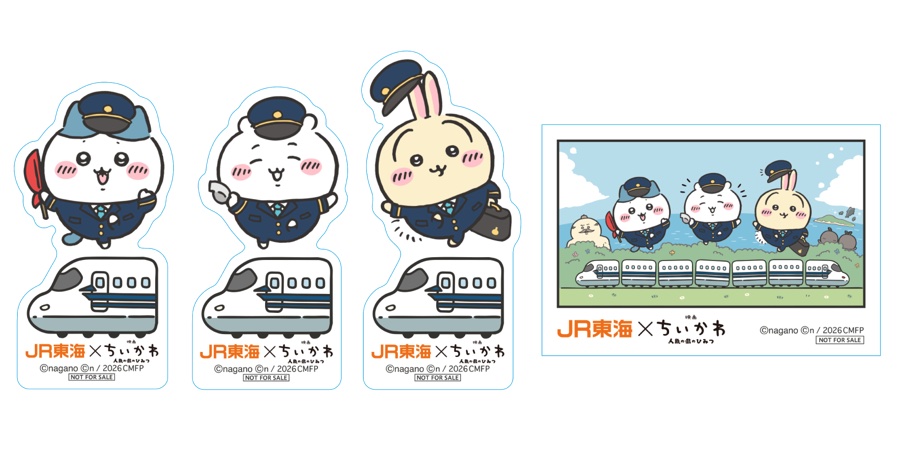
In this case, the world is especially strong because the Tokaido Shinkansen already has a huge cultural footprint. It links major cities, serves business travellers and tourists, and carries the image of a country that runs on efficiency. Chiikawa brings softness, humour, and a collector’s impulse. Put together, the campaign reaches rail fans, anime fans, and casual travellers at the same time.
What I especially like is that this kind of campaign makes everyday travel feel a little less routine. If you’re waiting at a station, a character wrap, a themed seat, or even a special visual on a platform screen can turn a normal trip into a small event. Insider tip: in Japan, those small events often become the memorable part of the journey. Wait, there’s more.
Why Japan fans should pay attention
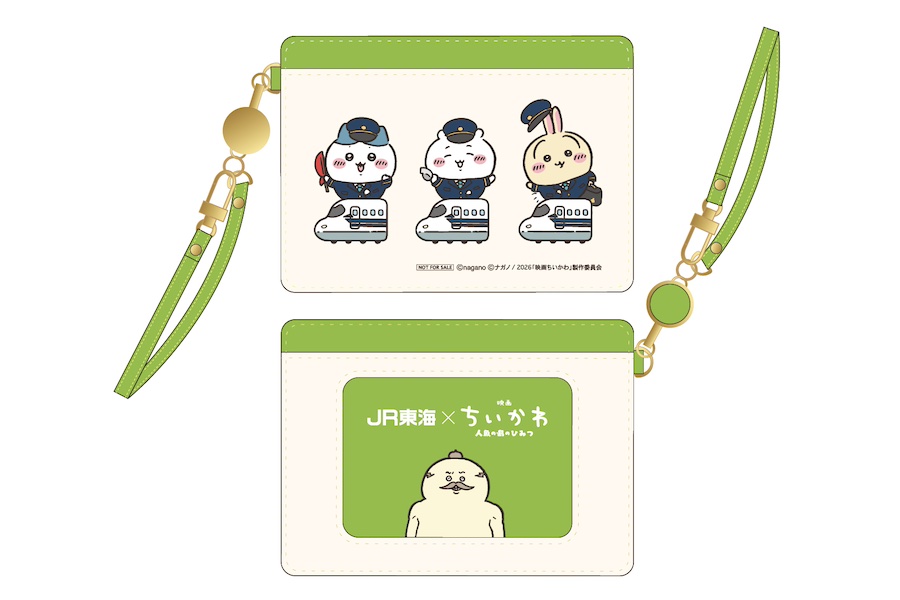
There’s also a practical angle. Collaborations like this often lead to limited goods, posters, station displays, and social media posts that disappear quickly. If you’re into Japan travel, keep an eye on official JR Central channels and campaign pages, because these things can become collectable fast. Highly recommended: check the visuals early if you want to see the campaign at its peak.
And if you’re learning Japanese, campaigns like this are a goldmine for real-world vocabulary. You’ll see how a major company writes in a friendly tone, how character branding works, and how Japan blends travel with entertainment better than most countries do. That mix is a big part of why the Chiikawa x Shinkansen pairing feels so natural.
Here’s the thing: Japan’s best pop-culture crossovers don’t feel random. They feel planned, but still fun. This one nails both sides, the speed and the softness, the businesslike rail system and the emotional pull of a mega character brand. That balance is exactly why people keep talking about it. Wait, there’s more.
Frequently Asked Questions
What is the Chiikawa Shinkansen campaign?
It is a collaboration between JR Central and Chiikawa that brings character branding to the Tokaido Shinkansen.
Why is this campaign getting attention?
It combines one of Japan’s most famous train lines with one of its most popular character franchises, so it appeals to both travel fans and pop-culture fans.
Can Japanese learners get anything from this campaign?
Yes. It is a good way to learn everyday words, see real marketing language, and understand how character collaborations work in Japan.