If you love Japanese history, old postcards, or the world behind Soseki’s books, this one’s a treat. It’s also a nice reminder that Japanese learning can happen through objects, not just textbooks.
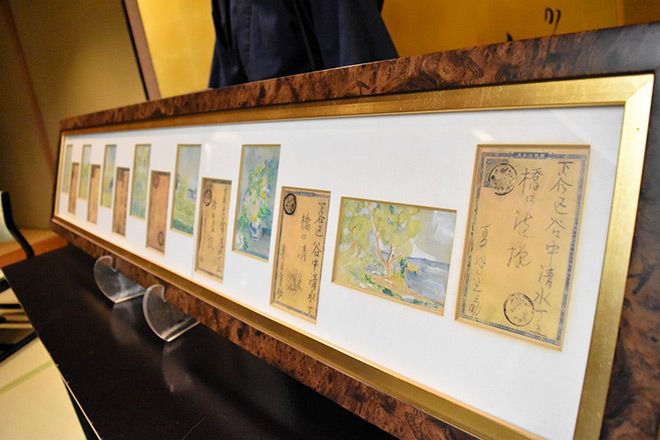
What do a postcard, a bathhouse town, and one of Japan’s greatest novelists have in common? Quite a lot, actually. The Soseki postcards from Dogo Onsen open a small but vivid window into the world of Natsume Soseki, and into the way Japan’s literary culture grew alongside ryokan life, hot springs, and modern travel.

Asahi Shimbun recently highlighted this slice of history, and I love stories like this. They’re tiny, but they say a lot. Speaking of which, postcards were once a serious communication tool in Japan, not just something you sent on holiday. They carried news, greetings, and sometimes a kind of social performance, especially when a famous name was involved. See what I mean?
Soseki postcards and Dogo Onsen: a literary breadcrumb trail
Dogo Onsen in Matsuyama, Ehime Prefecture, is one of Japan’s most famous hot spring areas, and it’s been drawing visitors for centuries. Take Dogo Onsen, for instance. Its old bathhouse culture, ryokan atmosphere, and literary associations make it more than a sightseeing stop. It feels like a stage where modern Japanese culture first learned how to present itself.
Natsume Soseki stayed in the area during his time as an English teacher, and that local connection matters. The postcards linked to him aren’t just cute memorabilia, they’re evidence of how people in the early 20th century thought about writers, travel, and status. A great example: a postcard sent from a place like Dogo Onsen could function almost like a cultural badge, saying, “I’ve been here, and I’m part of this new Japan.” Wild, isn’t it?

What most people don't know is that Soseki himself was at the centre of a Japan that was changing fast. Born in 1867, he became a major voice of modern literature, with works like Botchan and Kokoro still read widely today. His presence in a hot-spring town links the literary canon with everyday travel culture, and that mix is exactly why these postcards matter. My tip: if you're studying Japanese, keep an eye on places where literature and local history overlap, because the vocabulary and cultural context stick better that way. Personally...
Why ryokan culture made Soseki’s world feel so modern
Here’s the kicker: the ryokan was never just a place to sleep. In 明治 (Meiji, Meiji era)-era Japan, it was a social hub, a place for meals, baths, talk, and carefully observed manners. No wonder, because the ryokan was where all sorts of people met, from local families to government travellers, schoolteachers, writers, and city visitors. Sounds weird, but it’s true.



That helps explain why Dogo Onsen shows up so strongly in stories about Soseki. The bathhouse and the surrounding inns weren’t random background details. They were part of the atmosphere that shaped how people moved, talked, rested, and remembered. Before I forget, Japanese learners can pick up a lot here too. Words like onsen, ryokan, 旅 (tabi, journey) for journey, and 手紙 (tegami, letter) for letter all appear naturally in this kind of historical reading, and they carry real cultural weight, not just dictionary meaning. My verdict:
Postcards as cultural objects
Old postcards in Japan often combined text, image, and etiquette in a very compact form. That’s why they’re so useful for history lovers. A postcard from Dogo Onsen doesn’t just tell you someone was there, it hints at the way people wanted to be seen. Was it a casual note, or a carefully chosen souvenir? Maybe both.

Imagine a narrow alley in Tokyo. Now swap the neon for handmade print culture, rail travel, and the steam of a famous bathhouse town. That’s the kind of mental bridge these postcards create. They help us imagine Japan at a moment when old forms and new habits were living side by side. Highly recommended: look at historical postcards if you want a more tactile entry point into Japanese literature and local culture. See what I mean?
Natsume Soseki, Asahi Shimbun, and the value of small discoveries
Asahi Shimbun deserves credit for bringing attention to this kind of material. Big literary names often get flattened into a few famous book titles, but objects like postcards remind us that writers lived in real places, with routines, addresses, and ordinary encounters. Soseki wasn't floating above society, he moved through it. That makes his work feel more human, not less.
For Japan fans, this is where the fun starts. A postcard from Dogo Onsen can lead you to Soseki’s biography, then to Meiji-period education, then to travel culture, then to the language of greetings and seasonal notes. It’s a neat chain, and it’s very learnable. My opinion? That kind of layered learning beats memorising isolated vocabulary every time. If you're reading Japanese history articles, try underlining place names, then checking how they connect to literary figures. You'll remember more, and it won't feel like homework. Personally...
And yes, there’s also a joy in the physicality of it all. The paper, the handwriting, the travel marks, the faded ink. Old postcards make history feel lived-in. They’re not grand monuments, just small survivors. That’s exactly why they hit so hard.
Frequently Asked Questions
Who was Natsume Soseki?
He was a major Japanese novelist and critic, born in 1867, and one of the key figures in modern Japanese literature.
Why is Dogo Onsen important?
It is one of Japan’s oldest and most famous hot spring areas, with strong links to travel culture, inns, and literary history.
Why do old postcards matter to Japanese learners?
They combine language, place names, etiquette, and historical context, so they’re a practical way to learn vocabulary and culture at the same time.