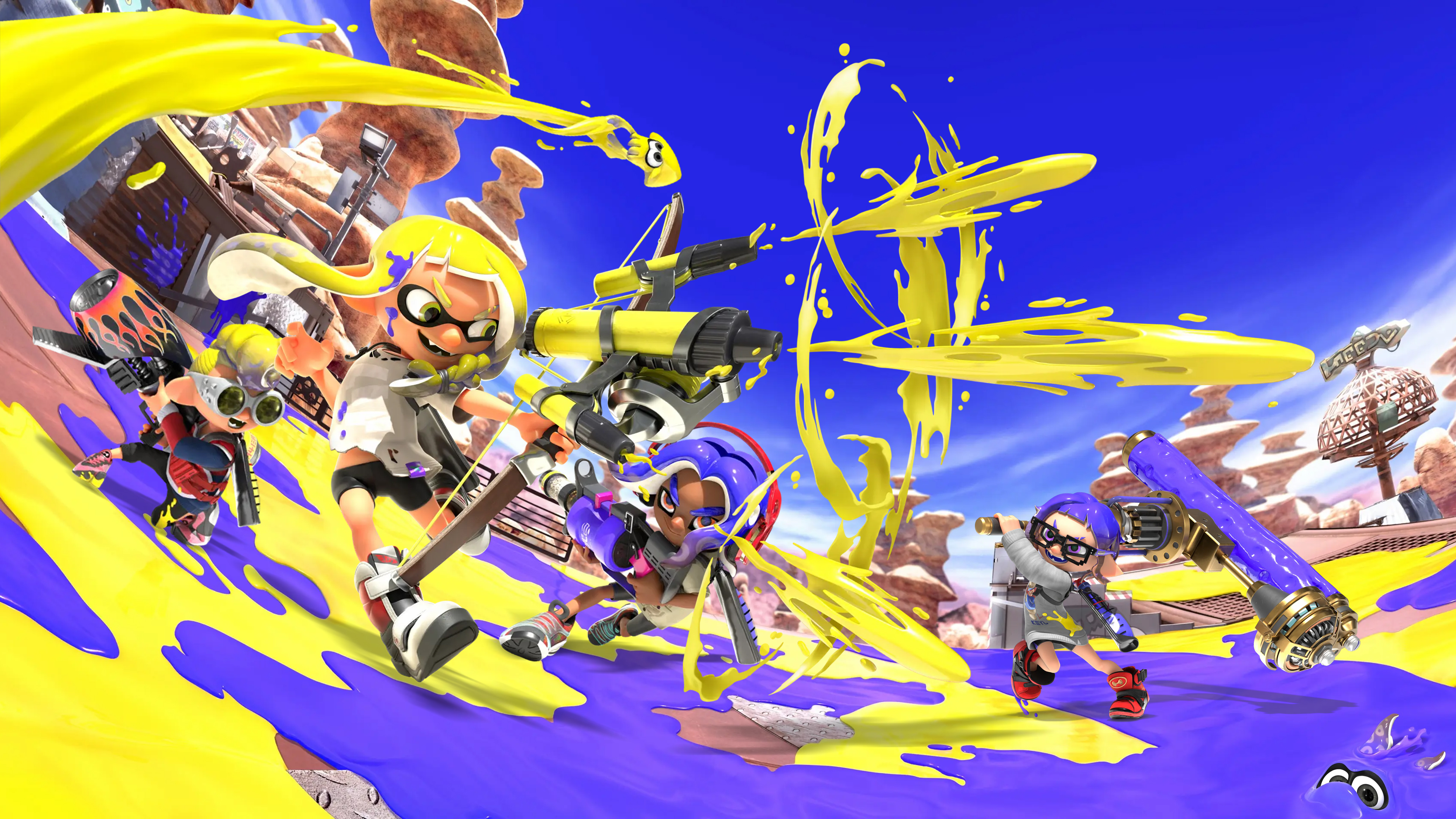
Speaking of which, the North American show had that classic Splatoon energy: loud, playful, and just a little bit mysterious. And yes, there were enough little clues to make lore hunters and series fans grin.
![Dragon Ball Z: Kakarot [Master Edition]](https://s.pacn.ws/1/p/1eh/dragon-ball-z-kakarot-master-edition-908785.1.jpg?v=t8ja8t&width=400)


Splatoon 3 League 2026 and the North American Show
It’s early morning in Kyoto, and the first thing many fans do is check what Nintendo has shared overnight from North America. That’s part of the fun with global game coverage, and the Splatoon 3 League 2026 show fits that pattern perfectly. Episode 11 didn’t arrive as a giant trailer drop, it came as a layered update, with gameplay moments, comic references, and a few crumbs for people who track the series timeline like a detective tracks clues.
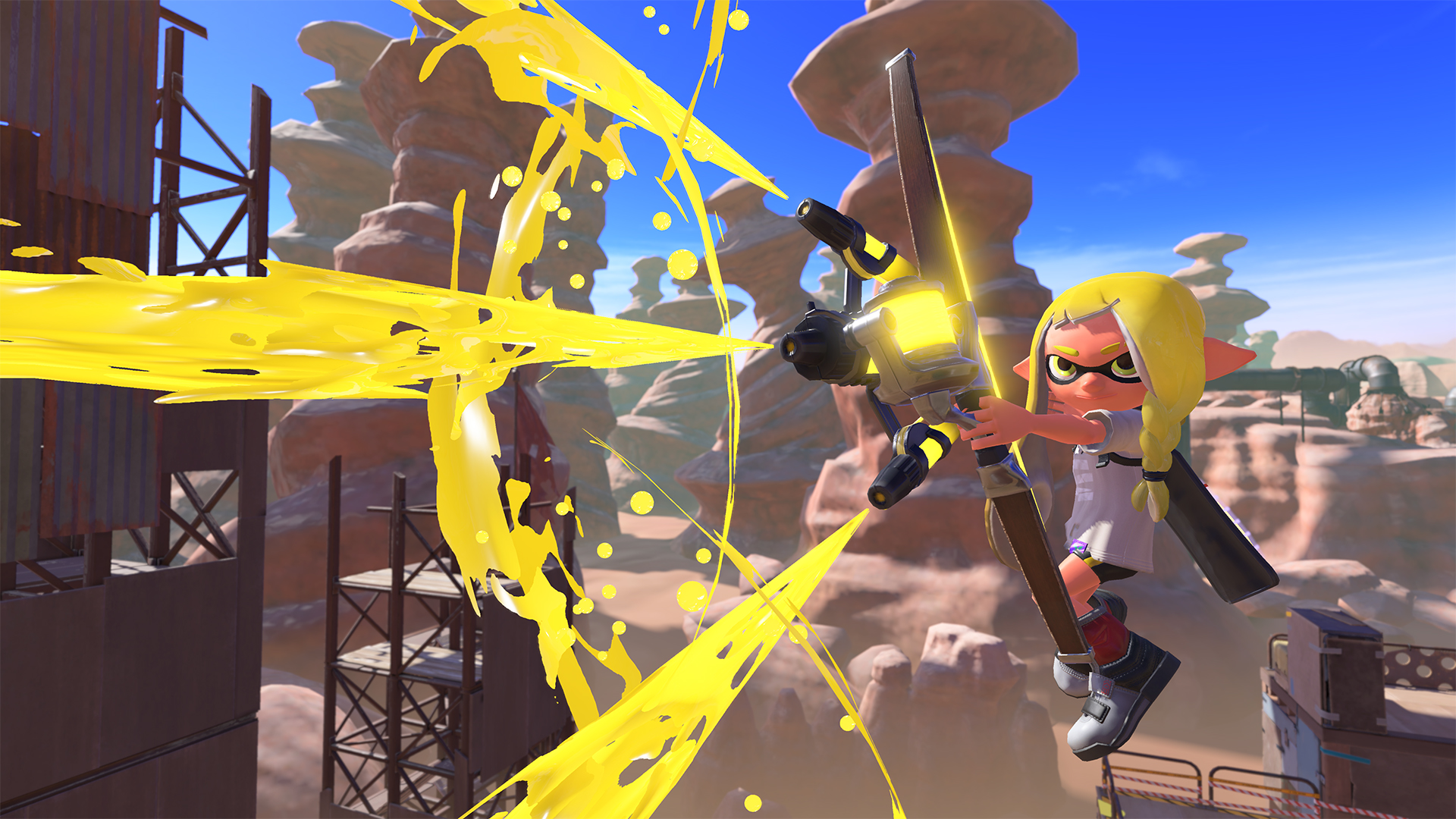
What many overlook: Splatoon has always used its marketing like a comic strip with hidden panels. The North American show leaned into that style again, and that’s why the episode landed so well. No exaggeration, if you know the series, you could feel the developers winking at the audience.
For Japanese language learners, this is also a neat chance to notice how Splatoon talks to its audience. Words like きらきら (kira-kira, sparkling; glittering), どきどき (doki-doki, heart-pounding; thumping), and わくわく (waku-waku, excited; thrilled) describe the mood more than the mechanics, and that fits the franchise’s playful spirit. Sounds odd, but it’s true.
Episode 11 Gameplay Hints Worth Watching
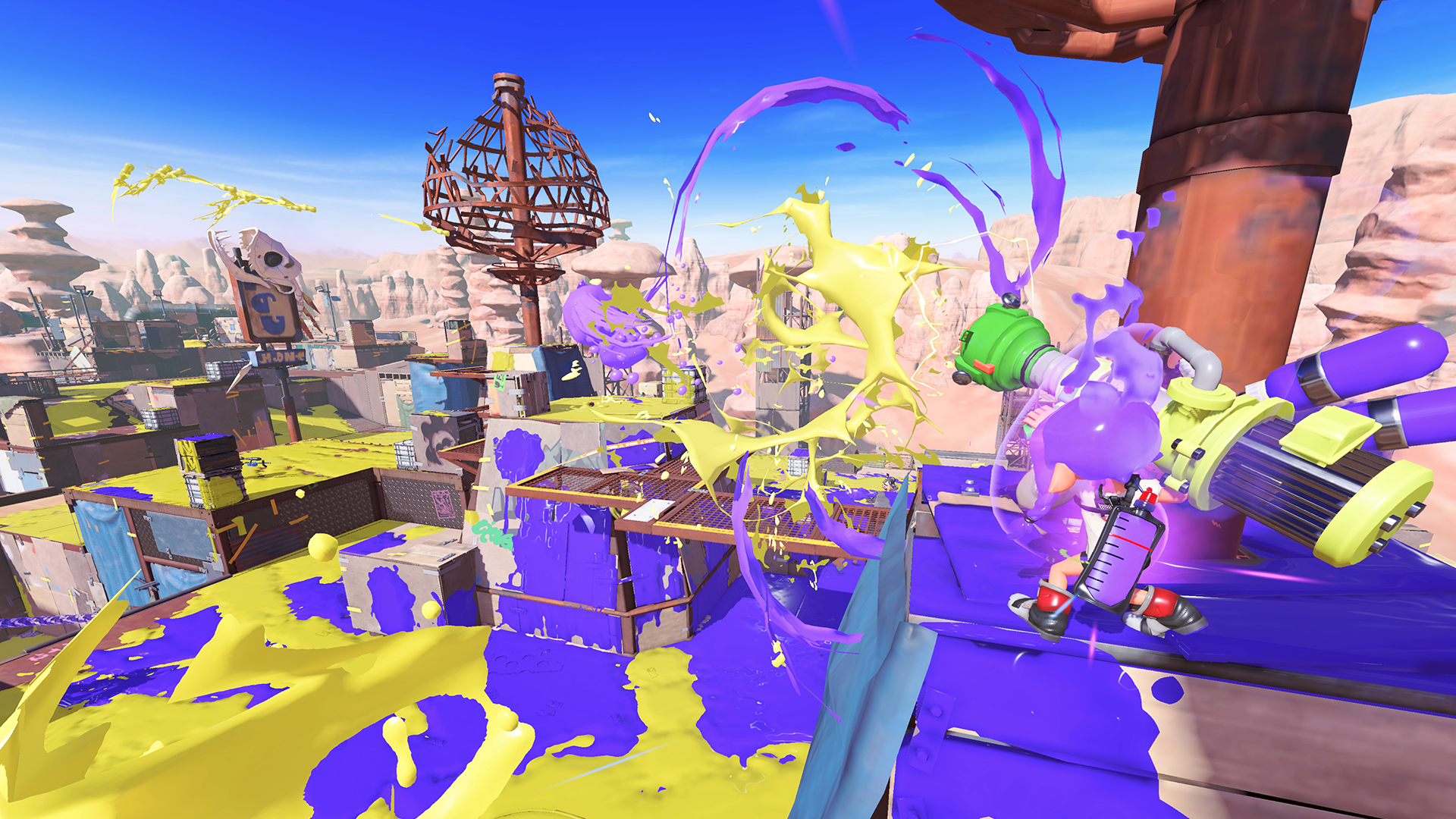
Here’s the kicker: Episode 11 didn’t just repeat old footage. It highlighted movement and positioning in a way that suggested new balance priorities, especially around aggressive map control and ink coverage. If you play Splatoon 3 regularly, you already know that one small shift can change the entire rhythm of a match. A weapon that used to feel safe can suddenly demand sharper timing, and a stage route that looked average can become a must-use lane.
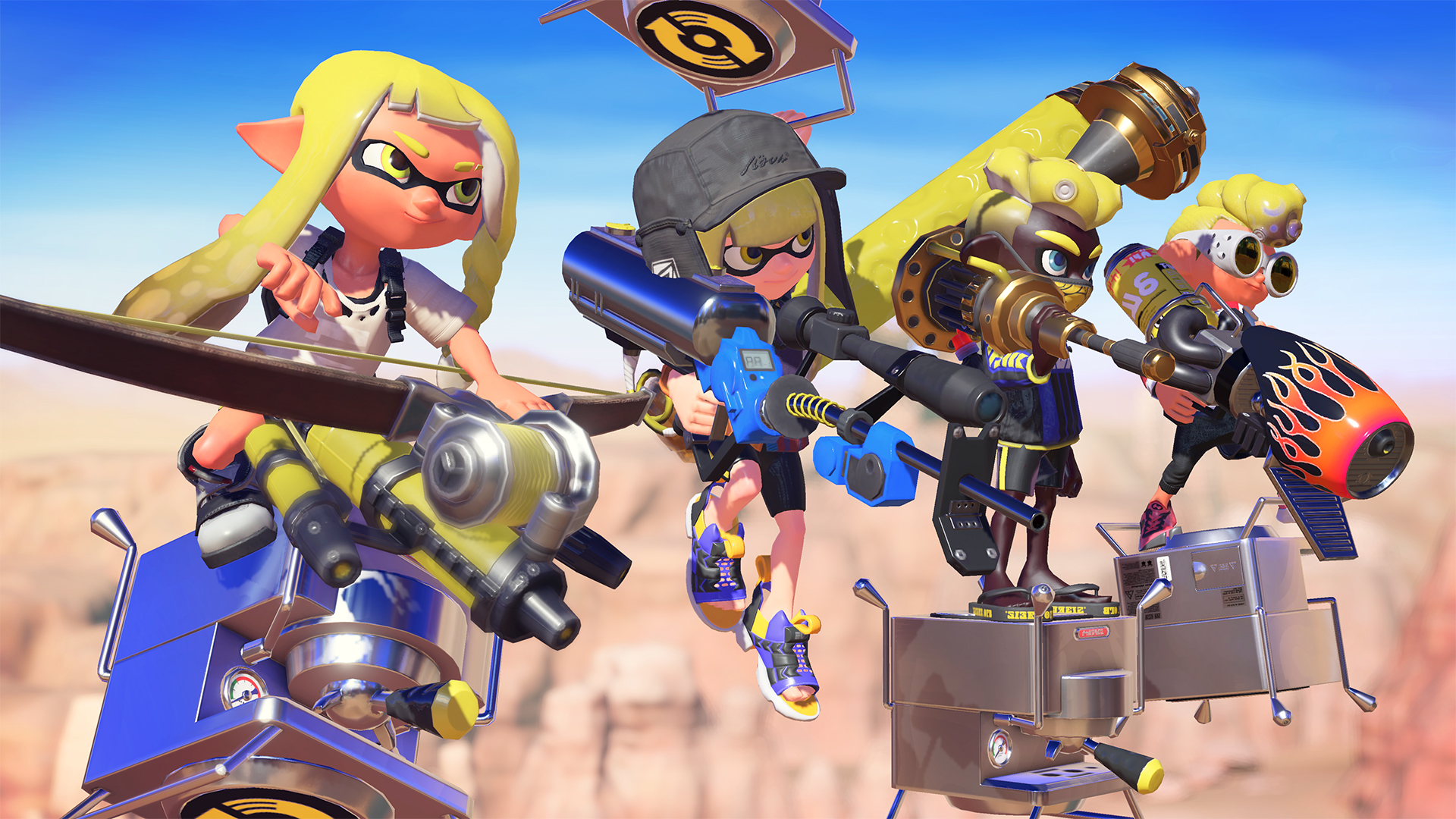
Unlike what we’re used to, the show spent more time on how players move between pressure points than on flashy eliminations. That matters. In competitive Splatoon, successful teams don’t just win fights, they control space, build routes, and deny escape options. My tip: watch any future clips from this show with that in mind, because the interesting part is often the pathing, not the splashes.
What the footage suggests
Seriously though, the most useful gameplay hints seemed to point towards faster decision-making in short windows. That can mean quicker rotations, stronger punish timing, and more value from support play. The best part is that these changes don’t only affect top-level play, they also help regular players understand why a match suddenly feels more chaotic than before. Not bad, right?
A great example: if a stage segment encourages longer sightlines, then backline roles become more important. If the lanes get tighter, then sub weapon placement and corner control matter even more. Those little shifts are exactly why Splatoon updates stay interesting years into the series life cycle, because the meta never stands still. From my experience, that’s what keeps the game from getting stale.
Lore and Comic References in Splatoon 3 League 2026
The lore angle is where Episode 11 really starts to sparkle. Splatoon has always mixed absurd humour with surprisingly careful worldbuilding, and this update continued that tradition by echoing comic beats and character framing that long-time fans will recognise. The franchise’s squid-pop setting looks silly at first glance, but its world has internal rules, old conflicts, and recurring motifs that give it real texture.
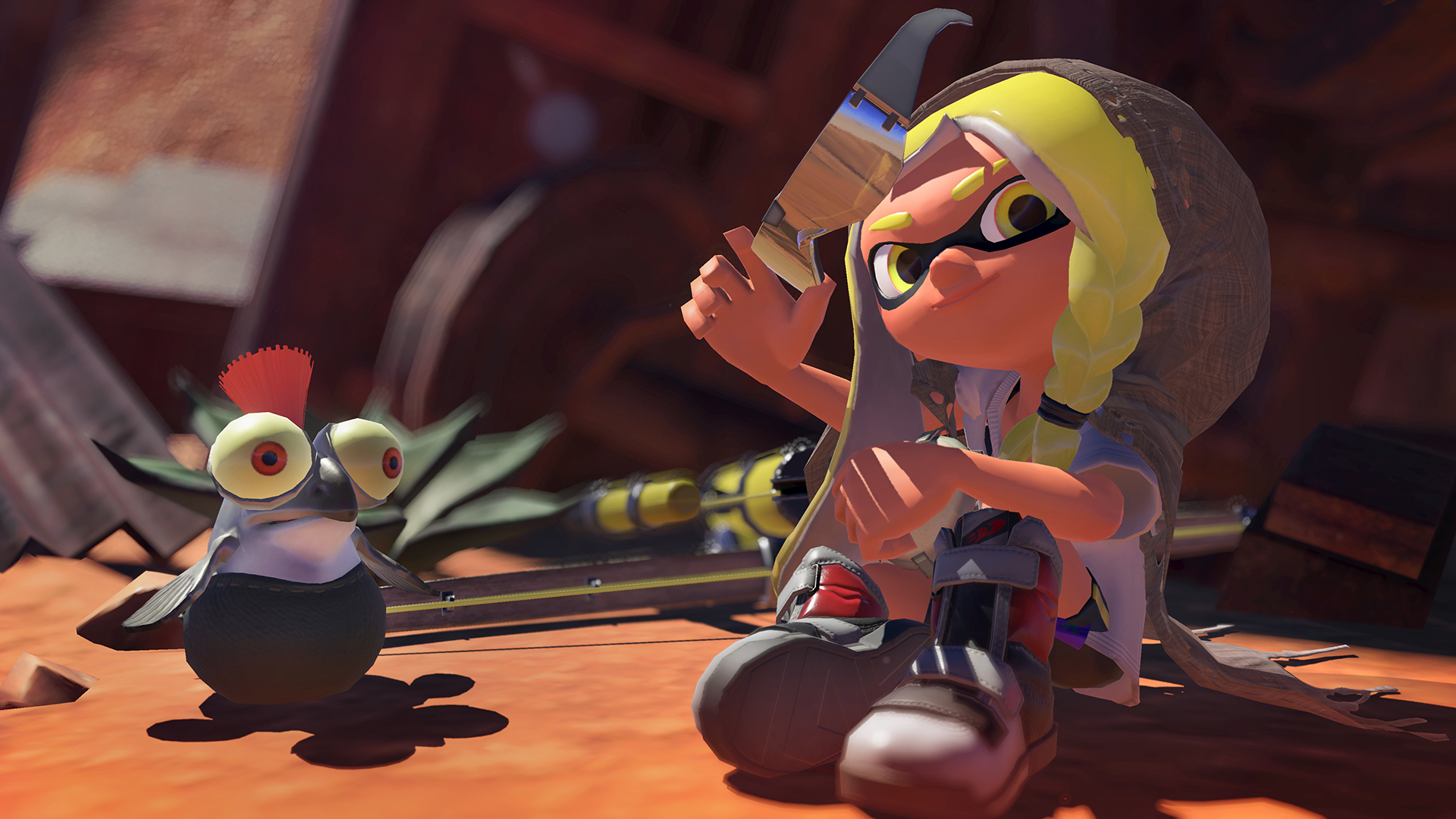
What many overlook: Splatoon’s comics and side materials often foreshadow tone more than plot. That means a visual gag, a pose, or even a background prop can hint at where the story wants to go next. A lot of fans treat those details like easter eggs, but they’re also part of Nintendo’s way of making the universe feel lived in.
For learners, this is a nice language reminder too. Japanese pop culture often uses visual repetition, short catchphrases, and stylised names to build identity. In Splatoon, that can show up in everything from stage naming to character speech rhythm. If you’re studying Japanese, keeping an ear out for those patterns can train your listening in a fun way. Sounds good, right?
Why comic-style storytelling matters
No exaggeration: the comic influence is one of the reasons Splatoon feels so distinctive. It lets the game be cute and cool at the same time, and it gives the writers room to hint at bigger things without turning every reveal into a dramatic speech. The result is a series that can make a small detail feel important, then pay it off later in a way that fans love to dissect.
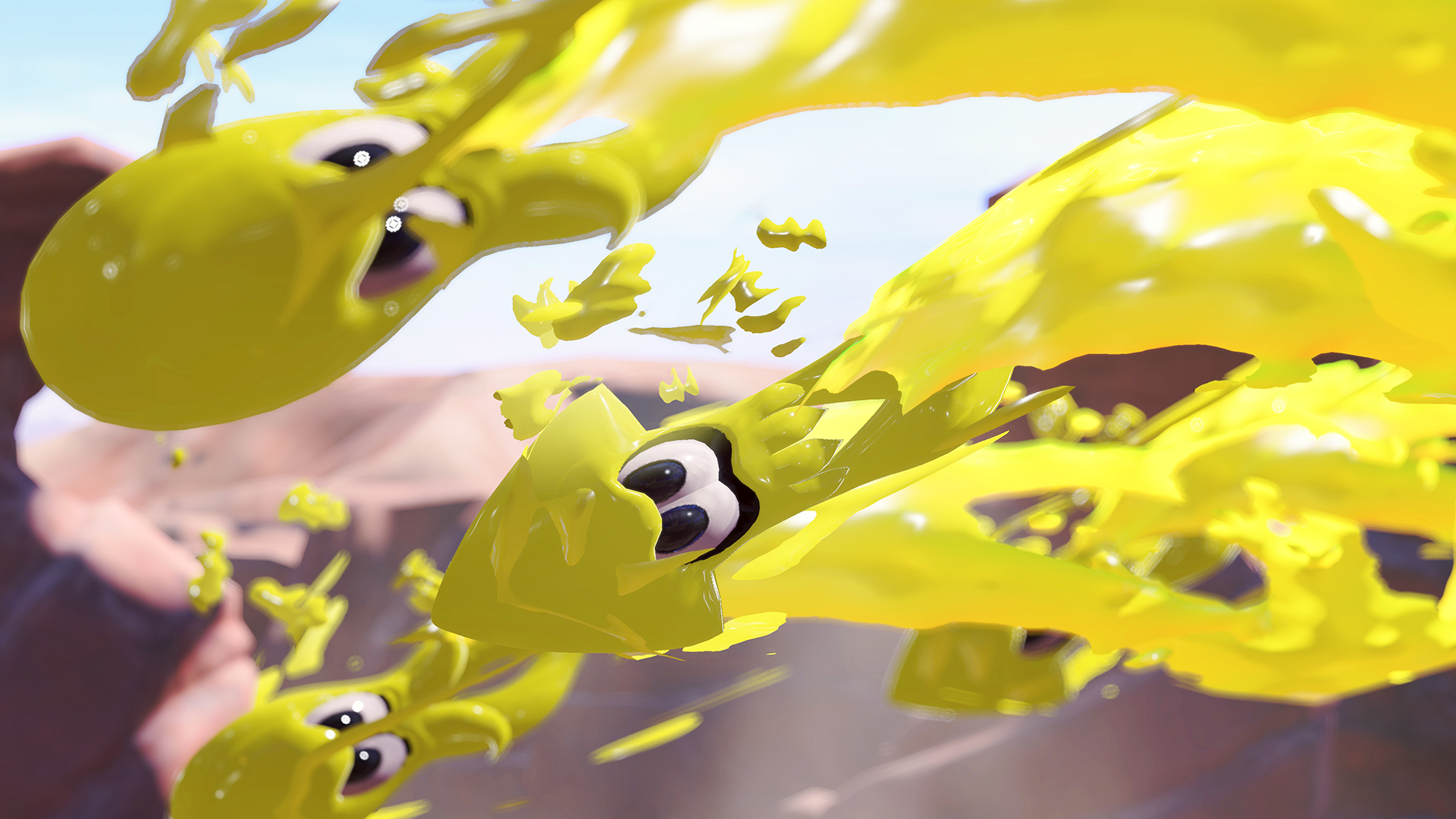
That’s also why the North American show matters for lore watchers. Regional presentations sometimes emphasise different parts of the material, and that can surface clues that other audiences might miss on first viewing. If you enjoy reading between the lines, Episode 11 had plenty to chew on. But that’s not all.
Why Japanese Learners Should Care About Splatoon Coverage
Fun fact: gaming updates are one of the easiest ways to build vocabulary without feeling like you’re studying. Splatoon coverage is especially useful because it mixes action words, reactions, and character-driven language. You’ll hear patterns tied to excitement, competition, and playful banter, which are all common in anime, livestreams, and fan discussions too.
Here’s the kicker: this kind of content also teaches culture. Splatoon’s bright ink battles, team identity, and comic tone fit a very Japanese media tradition, where style and mood are just as important as mechanics. If you follow the show, you’re not only tracking game news, you’re also seeing how Nintendo packages a franchise for global audiences while keeping its own voice intact.
My tip: if you watch Episode 11, pause on any repeated phrases or visual motifs and write them down in ローマ字 (romaji, romanization; Roman letters). That tiny habit helps you notice language faster next time, and it makes the whole experience more interactive. From my experience, that’s the best way to turn fandom into steady learning.
In pictures
Frequently Asked Questions
What is Splatoon 3 League 2026?
It is a North American show episode that highlights Splatoon 3 gameplay and related series material.
Why is Episode 11 getting attention?
Because it showed fresh gameplay hints and included lore and comic references that fans can analyse.
Is this useful for Japanese learners?
Yes, because Splatoon content includes game vocabulary, character style, and cultural context that are fun to follow.