If you love Japanese games, this kind of poll says a lot about taste, memory, and brand loyalty. And yes, it also gives language learners a nice excuse to pick up a few gamer-friendly words like 欲望 (yokubou, desire; craving) for desire and 懐かしい (natsukashii, nostalgic; fondly reminiscent) for that warm nostalgic feeling.
![Dragon Ball Z: Kakarot [Master Edition]](https://s.pacn.ws/1/p/1eh/dragon-ball-z-kakarot-master-edition-908785.1.jpg?v=t8ja8t&width=400)

Famitsu reader wishlist: what Japanese players want most
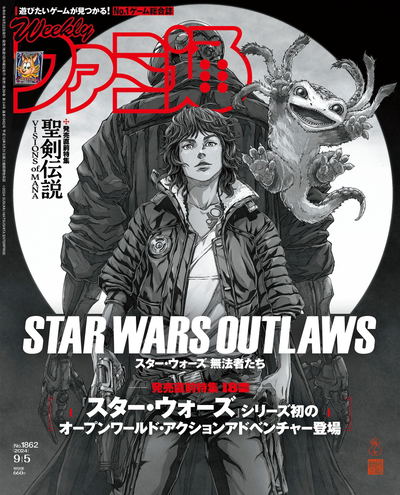
Famitsu reader wishlist polls are a neat little window into the Japanese gaming mood. They don't measure worldwide hype; they measure what 読者 (dokusha, reader; readership) actually want to play next, and that makes the results feel much more personal. Seriously, though, when Japanese readers speak up, Nintendo and JRPG titles tend to rise fast, and this round is no exception.

The latest ranking, reported by My Nintendo News, shows a clear pattern. Big first-party names, old-school revival picks, and story-driven RPGs are doing the heavy lifting. No wonder, because that mix hits three sweet spots at once: brand trust, nostalgia, and the hope that a beloved series still has life left in it. From my experience, that’s exactly the kind of list Japan fans should pay attention to.
Splatoon Raiders and Persona 4 Revival lead the conversation
Here’s the kicker: the most eye-catching names in the poll are Splatoon Raiders and Persona 4 Revival. Those two alone tell you almost everything about the current appetite of Famitsu readers. One side is stylish Nintendo action with a strong modern identity, the other is a classic Atlus JRPG that taps directly into the power of natsukashii, that very Japanese feeling of fond nostalgia.
Splatoon Raiders naturally benefits from the huge popularity of the Splatoon brand, which first exploded on Wii U in 2015 and kept growing through Splatoon 2 and Splatoon 3 on Nintendo Switch. Players in Japan know this series as more than just a shooter. It's an event game, a fashion game, a social game. Classic Japan, isn't it?
Persona 4 Revival is a different kind of strong. The original Persona 4 arrived in 2008 on PlayStation 2, then became a long-running favourite thanks to the expanded Persona 4 Golden. A revival project instantly gets attention because fans trust the story, the music, and the small-town atmosphere of Inaba. Let's be honest: a modern remake of that game sounds like an easy win for a lot of JRPG fans.
Why these two titles connect so well with Japanese readers
Japanese players often respond to games that balance style and familiarity. Splatoon Raiders feels fresh but still anchored in a known universe, while Persona 4 Revival promises a return to a story people already love. That's a very Japanese kind of wish list logic, ありがとう (arigato, thank you) to the old favourites, but also a real craving for something new enough to feel worth waiting for.
What I especially like is how this mirrors everyday fandom in Japan. People line up for limited merchandise, discuss announcements on social media, and then quietly hope their favourite series gets one more chance. My tip: if you're learning Japanese, pay attention to how often fans use words like 完全 (kanzen, complete; perfect) no 新版 (shinban, new edition; revised version), rimei, or simply talk about a title being natsukashii. Those feelings show up everywhere, not just in game rankings. My verdict: this is a very readable poll if you understand Japanese fan culture.
Ganbare Goemon and Rhythm Heaven Groove prove nostalgia still sells
Imagine a narrow alley in Tokyo, a used game shop tucked between a ramen bar and a vending machine wall. That old-school energy is exactly where names like ganbare Goemon still live. Konami's action-comedy series has been dormant for years, but Japanese readers still remember its bright colours, folk-style humour, and distinctly playful tone. When that title appears in a wishlist, it isn't random. It's a signal that fans haven't let go.
Rhythm Heaven Groove works for similar reasons, just with a different flavour. The Rhythm Heaven series, known in Japan as Rhythm Tengoku, has always been approachable, funny, and built around catchy timing challenges. The last major console entry was Rhythm Heaven Megamix on Nintendo 3DS in 2015, so the appetite for a new release has had years to grow. Highly recommended: if Nintendo ever brings it back, expect instant chatter from both long-time fans and newcomers.
Here's the catch: these are not just "please revive this old series" votes. They show how Japanese players value rhythm, humour, and recognisable character worlds. That matters a lot in Japan, where a game can survive for years in memory even when the hardware moves on. Wait, there's more. The same poll logic also helps explain why older series can stay culturally alive long after new entries stop appearing.
What this Famitsu poll says about Nintendo and JRPG taste in Japan
No exaggeration: this wishlist is a pretty clean map of Japanese mainstream taste. Nintendo titles remain powerful because they combine family-friendly branding with strong gameplay identity. JRPGs remain powerful because they give players story, mood, and a sense of place. Put those together, and you get exactly the kind of list Famitsu readers just produced.
If you are learning Japanese, this is a nice moment to notice how game names become everyday reference points. Fans will say ワーク (waaku, work; work-in-progress) for work-in-progress ideas, use revival and remake in katakana-heavy Japanese, and casually discuss which series deserves a comeback. That mix of English loanwords and native fan vocabulary is very typical in Japanese game talk. On a related note, it also makes gaming news one of the best places to build listening and reading confidence.
What does the ranking really tell us? First, Japanese readers still trust Nintendo's big brands. Second, Atlus-style JRPG nostalgia is alive and well. Third, dormant classics like ganbare Goemon and Rhythm Heaven still have enough emotional pull to compete with modern announcements. From my experience, that combination is exactly why Famitsu polls are worth following, even if you already keep up with global game news.
For Japan fans, this is the fun part: you get a list that feels both current and deeply rooted in gaming history. For learners, it is a reminder that Japanese pop culture often moves through memory as much as it moves through novelty. And that, honestly, is part of the charm. more Japan news on jpnerd.com
Frequently Asked Questions
What is a Famitsu reader wishlist?
It is a poll based on reader votes that shows which upcoming or revived games Japanese fans want most.
Why do Nintendo and JRPG titles rank so well in Japan?
They have strong brand loyalty, long-running series history, and a lot of nostalgic appeal.
Why do old series like Ganbare Goemon still matter?
Because many Japanese players keep emotional ties to classic franchises, even when no new game has appeared for years.