
For Japan fans and language learners, this is the kind of topic that connects science, food, and everyday Japanese life. And yes, there’s plenty of room for words like 麹 (koji, fermentation starter), 和牛 (wagyu, Japanese beef), and 未来 (mirai, future) to stick in your head along the way.
What happens when Japan’s food innovators start treating dinner like a hardware problem? Japan Foodtech 2026 is where that question gets interesting, because the conversation’s no longer just about novelty. It’s about supply chains, ingredient shortages, and how to keep flavour intact when the old system gets shaky.

Quick detour: this isn’t sci-fi for the sake of it. Japan has a long history of turning fermentation, precision, and small-batch craft into practical food culture, and that mindset is now meeting cell culture, protein engineering, and climate pressure. Sounds geeky? Absolutely. But it’s also very Japanese. Personally, I love that mix.
Japan Foodtech 2026 and the new food economy
Picture this: a food market that looks traditional on the surface, but underneath runs on biotech, AI quality control, and climate-risk calculations. That’s the sort of frame Japan Foodtech 2026 brings into focus. The original source from FoodTech Japan highlights Planet A Foods as one of the companies drawing attention, and that matters because the category is moving fast, not just in Japan, but across Asia too.
Compared with back home, where food tech headlines often stop at plant-based burgers, Japan’s scene goes one layer deeper. There’s a strong obsession with texture, aroma, and the feel of a bite, not just the ingredient list. That makes Japan a very tough, and very exciting, testing ground. My tip: if you want to understand why a product succeeds here, don’t only ask what it is, ask how it feels in the mouth. Sounds good, right?
Fun fact: Japanese consumers already know how to live with food categories that sound technical at first. Think 塩麹 (shio koji, salted koji seasoning), 納豆 (natto, fermented soybeans), or 昆布だし (konbu dashi, kelp stock). Once the language clicks, the products feel less alien. For learners, those are useful vocabulary anchors, because food words in Japanese often carry culture with them. That’s why...

Koji meat and the craft logic behind it
Here’s the thing: koji isn’t just an ingredient, it’s a process. Koji refers to grains, often rice or barley, inoculated with Aspergillus oryzae, and it sits at the heart of sake, miso, shoyu, and mirin production. When people talk about koji meat, they usually mean meat improved or transformed with koji-based fermentation techniques, designed to deepen umami, soften texture, and reduce the need for heavy seasoning.
Why koji fits Japan’s food future
In Japan, fermentation is already a kind of quiet technology. It’s old, but it’s also very data-friendly, because time, temperature, humidity, and microbial behaviour all matter. That makes koji-based meat innovation feel less like a gimmick and more like a natural evolution. Let me show you why this matters: if you can build richer flavour with less environmental cost, you get a product that speaks to both chefs and engineers.
That reminds me: Japanese language learners should pay attention to the words around this space. Koji stays as koji, wagyu stays wagyu, but terms like umami, hakko, and shokuhin are worth memorising. They show up constantly in food reporting, and they give you a better feel for how Japanese media talks about innovation. Personally, I think that’s one of the fastest ways to build useful vocabulary without memorising random lists. Convinced yet?
Lab-grown wagyu and Japan’s obsession with texture
Lab-grown wagyu sounds like the kind of phrase that would make a Tokyo izakaya regular raise an eyebrow, but it’s exactly the sort of project that fits Japan’s future-food playbook. Lab-grown, or cultivated, meat aims to grow animal cells in controlled environments, then shape them into edible tissue. For wagyu, the challenge isn’t only producing beef, but reproducing the marbling, fat melt, and buttery richness that make wagyu famous in the first place.

Here's the catch: wagyu is a luxury category with very specific expectations. A slice of A5 wagyu isn’t memorable because it’s just “beef”, it’s memorable because of its grain, gloss, and melt. Replicating that with cell culture is a technical mountain. You need the right cell line, growth medium, scaffolding, and fat composition, and the texture has to survive cooking, not just the lab bench. It’d be brilliant if it works, but the bar is brutal.
While we're at it: Japan’s food culture gives cultivated wagyu a strange advantage. Consumers already understand premium categorisation, regional branding, and seasonal quality. Compare that with a market where “meat” is mostly a broad commodity. In Japan, a new product can be judged like craft sake or artisanal tofu, which means the conversation can be more precise. That precision is a gift for researchers, and for learners trying to read Japanese food news without getting lost. Sounds good, right?
Chocolate innovation and the cocoa price shock
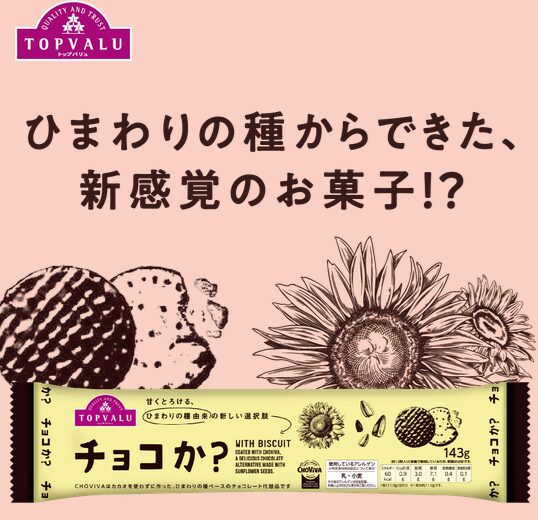
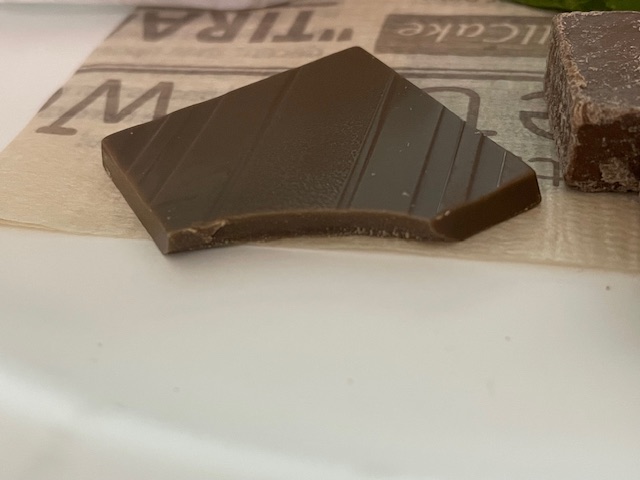
Oh, almost forgot: chocolate is the sleeper story here. Planet A Foods and similar innovators are stepping into a market rattled by the cocoa price shock, which has pushed manufacturers to look for alternatives that still deliver flavour, melt, and familiar dessert appeal. The point isn’t to kill chocolate culture, it’s to protect it when cocoa gets expensive or supply gets unstable.
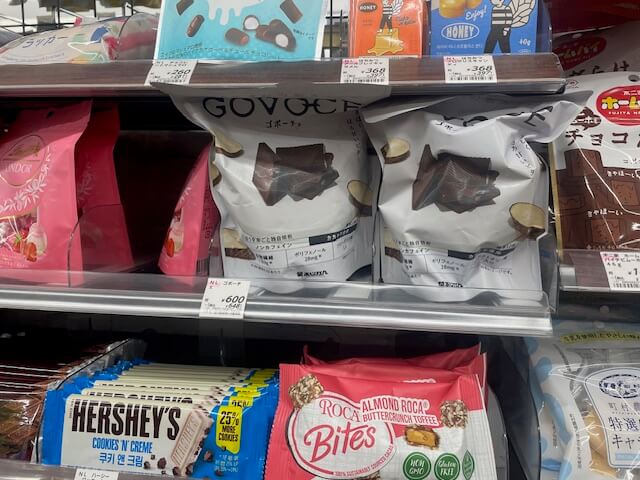
In Japan, this matters more than you might think. Chocolate is everywhere, from convenience-store treats to seasonal gift boxes, and the market loves limited editions. If cocoa prices stay high, brands need a backup plan that doesn’t taste like compromise. That opens the door to cocoa-free chocolate-style products made from other plant inputs, with processing tricks that mimic roasting and cocoa solids. Not bad, right?

What I especially like is the tech logic. Instead of treating food scarcity as a PR problem, these companies are redesigning the ingredient stack. That means flavour chemistry, product engineering, and supply chain resilience all sit in the same conversation. For Japanese readers, the broader lesson is familiar: make the system smaller, tighter, and smarter, then keep the result beautiful. Japan has been doing that with everything from rail timetables to bento boxes for decades. Personally...
Why Japan Foodtech 2026 matters for learners and fans
Let me show you why this topic is good for Japan learners too. Food tech articles are loaded with real-world vocabulary, and the terms repeat across news sites, trade shows, and company press releases. If you can read about lab-grown wagyu, koji meat, and cocoa alternatives in Japanese, you’re not just learning words, you’re learning how Japan talks about the future.
Start with a few anchor terms: mirai for future, gijutsu for technology, hakko for fermentation, and shokuhin for food. Then notice how Japanese writing often blends English loanwords with native terms. That style can look chaotic at first, but it’s actually very efficient. It tells you a lot about how modern Japan packages innovation. Quick detour: that’s also why food expo coverage is such a good reading practice tool. The subject is concrete, the vocabulary is reusable, and the stakes are real.
Japan Foodtech 2026 feels less like a trend story and more like a stress test for taste, supply, and identity. If lab-grown wagyu can win over a market that cares deeply about texture, if koji meat can make fermentation feel futuristic, and if chocolate innovation can respond to a cocoa shock without losing its soul, then the sector has real momentum. And honestly, that’s the kind of nerdy food future I want to watch.
In pictures
Frequently Asked Questions
What is Japan Foodtech 2026 about?
It is a look at how Japan is combining food culture with biotechnology, fermentation, and cultivated meat.
Why is koji important in Japanese food innovation?
Koji is a fermentation base that helps create flavour, texture, and umami, which makes it a strong fit for new food products.
Why does chocolate innovation matter in Japan?
Japan has a strong snack and confectionery market, so cocoa price shocks can quickly push brands to seek new ingredient solutions.


