Hand on heart: that’s exactly the kind of scheduling drama Nintendo’s spent decades trying to control with precision, from Kyoto to the holiday season. And for Japan fans, there’s a cultural layer here too, because Nintendo often treats big releases like carefully timed events rather than simple launches.
![Dragon Ball Z: Kakarot [Master Edition]](https://s.pacn.ws/1/p/1eh/dragon-ball-z-kakarot-master-edition-908785.1.jpg?v=t8ja8t&width=400)

Ocarina of Time Remake Rumours Put Nintendo in a Tough Slot
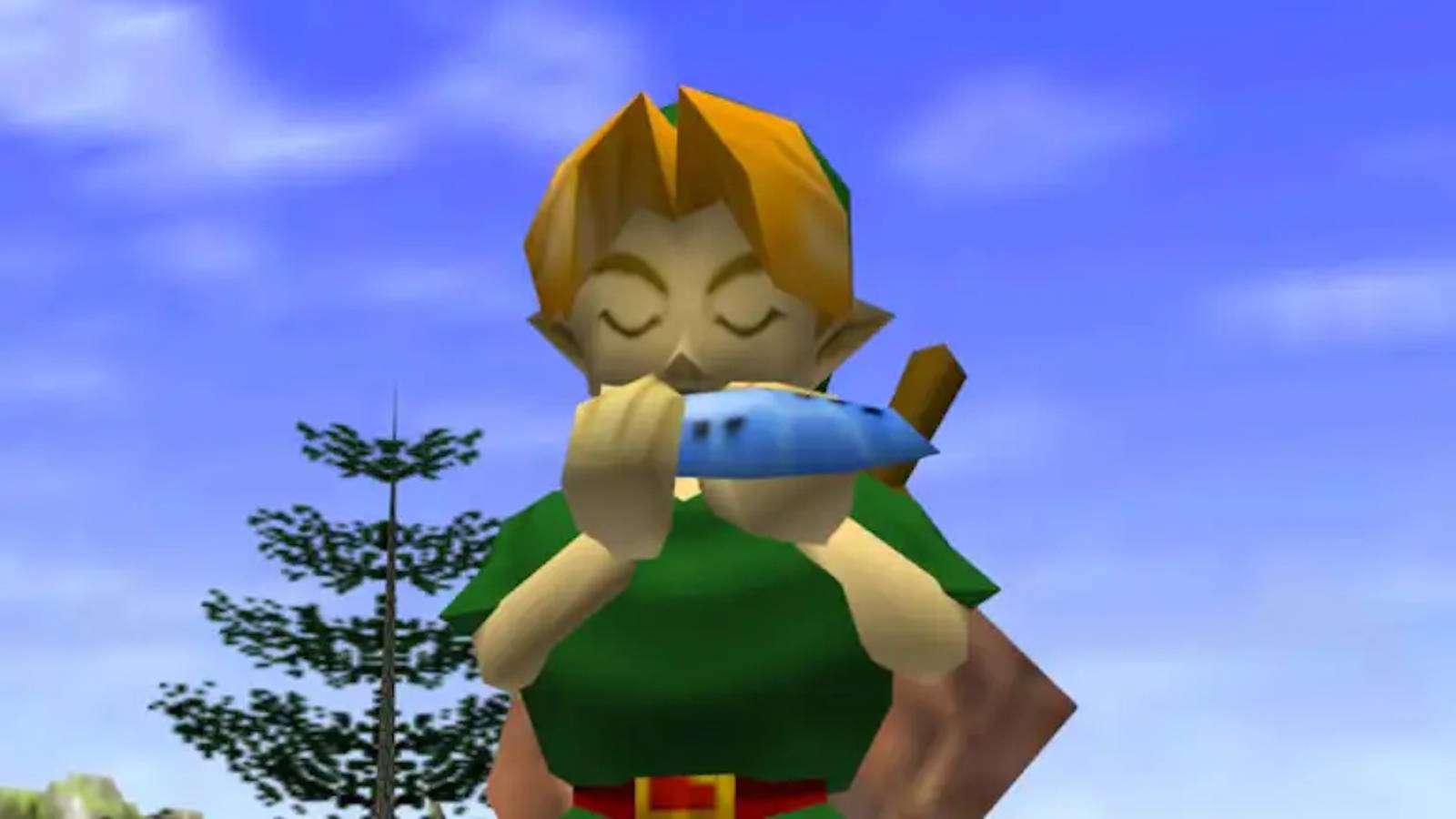
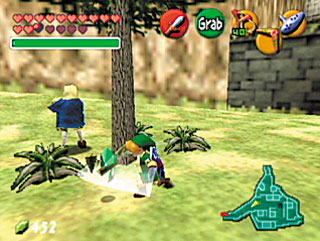
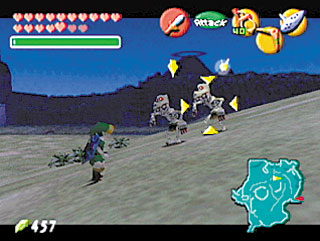
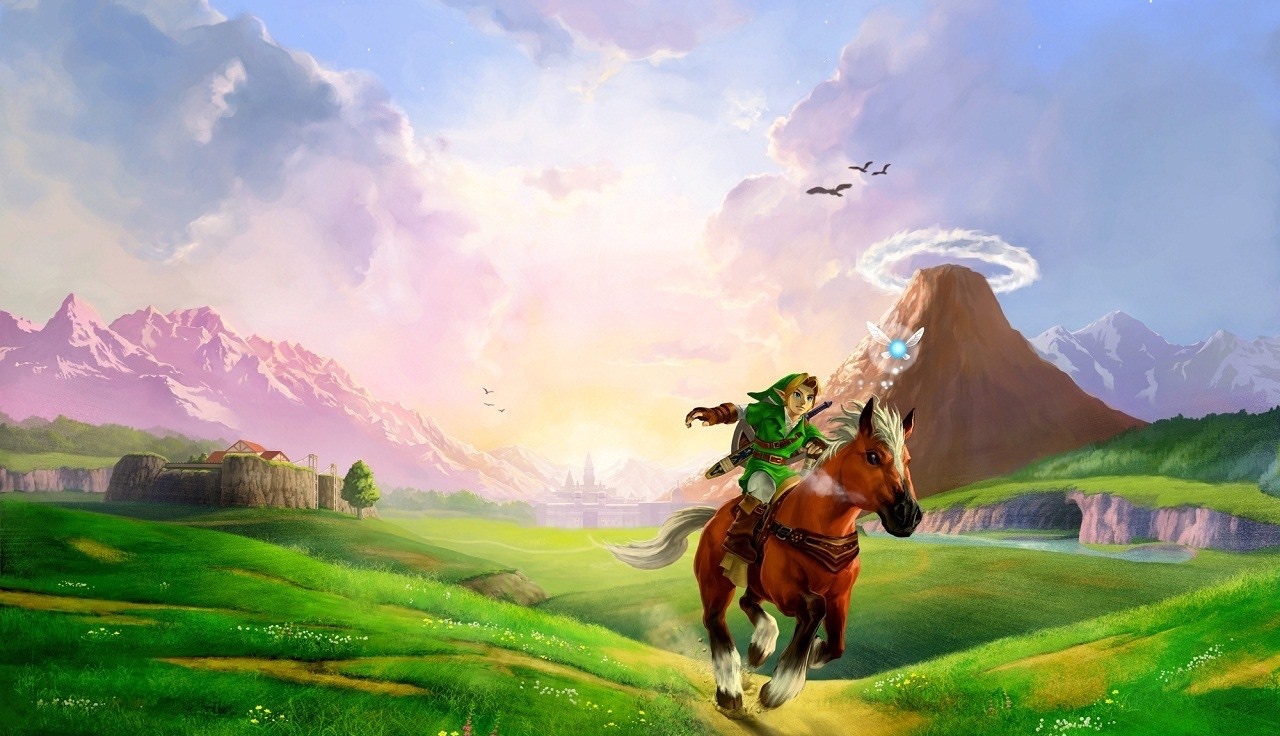
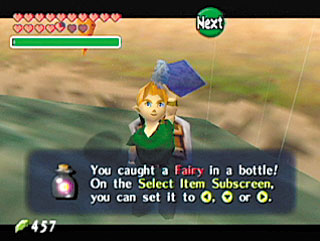
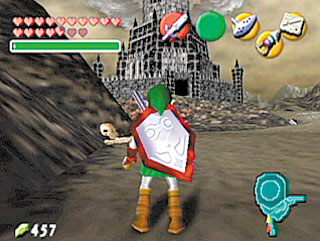
What most people don’t know is that the current chatter around a The Legend of Zelda: Ocarina of Time remake is less about nostalgia and more about timing. Reports picked up by outlets like Polygon and Eurogamer.de suggest that Nintendo may be preparing something around the end of the year, which immediately sets off alarm bells if Rockstar’s Grand Theft Auto 6 lands anywhere near the same window.
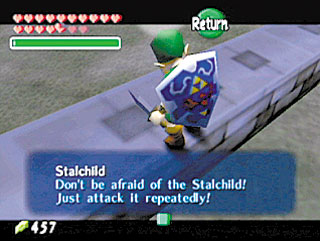
Here’s the deal: Ocarina of Time isn’t just any Zelda game. It launched in 1998 on Nintendo 64, helped define 3D adventure design, and still sits near the top of many best-game-ever lists. A remake of that title is automatically a statement, not a filler release, so Nintendo can’t just tuck it into a random month and hope for the best.
Trust me on this one: the release slot matters almost as much as the remake itself. If Nintendo wants to turn nostalgia into headlines, it needs a window that gives the game oxygen, retail attention, and social media buzz, not a week when the entire industry’s staring at Rockstar. That’s why the GTA 6 comparison keeps coming back.
Why GTA 6 Changes Everything for the Ocarina of Time Remake
Imagine a narrow alley in Tokyo. One huge billboard goes up, but then a second, even larger one blocks the view a few days later. That’s what a direct clash with GTA 6 could feel like for Nintendo, because Rockstar’s next launch is expected to dominate the global conversation for days, maybe weeks. For a remake that depends on emotion, memory, and fan celebration, being overshadowed would be a real risk.
Basically, most publishers would run for the hills. The industry’s already learned to leave breathing room around Rockstar launches, and Polygon’s reporting notes that other companies have been shifting their own games away from that danger zone. Nintendo, though, has a habit of doing things on its own terms, and that’s what makes this story interesting.
Nintendo’s tradition of confidence
On the flip side, Nintendo’s never behaved like a publisher that panics first and asks questions later. The company in Kyoto has a long tradition of trusting its own brands, whether it’s Zelda, Mario, or Animal Crossing. It often releases games when it believes the moment is right, not when competitors tell it to move aside.
A great example is the way the company has repeatedly turned old franchises into event releases, with slick Direct presentations and tightly controlled messaging. That fits the Nintendo style, which is part business strategy and part cultural theatre. In Japan, that kind of discipline feels familiar, almost like how a ryokan times service down to the minute, or how a 祭り (matsuri, festival) follows a set rhythm even when the crowd gets loud.
My tip: watch the marketing language, not just the trailer. If Nintendo starts framing Ocarina of Time as a premium event, a technical showcase, or a Switch 2-era prestige release, then it’s signalling that the company wants attention on its own schedule. That usually means confidence, but it can also mean stubbornness. Personally, I find that very Nintendo, and a little risky too.
What the Remake Means for Zelda Fans and Japanese Learners
While we’re at it, this rumour is a good excuse to think about how Japanese fandom culture works. Big game announcements in Japan often feel closer to seasonal celebrations than ordinary product reveals. There’s anticipation, speculation, and a lot of shared memory around older classics, especially when a title like Ocarina of Time comes back into the conversation.
I still remember exactly how Zelda discussions used to be framed in fan circles, with words like 伝説 (densetsu) for legend, and 希望 (kibo) for hope, even when people were talking in mixed English and Japanese. That blend is common among learners too, because game culture gives you a natural bridge into vocabulary without turning study into homework.
What I especially like is that this is a neat example of how franchise strength works in Japanese media. Nintendo can say almost nothing, and the brand still carries the story. For learners, that’s useful because it shows how much meaning can sit inside a single name. Ocarina of Time isn’t just a title, it’s a shorthand for a whole generation of players, and that’s why even a rumour can feel big.
Insider tip: if you’re studying Japanese, pay attention to launch phrasing in Nintendo news. Words like 発売 (hatsubai, release; launch) for release, 予告 (yokoku, announcement; preview) for announcement, and 期間 (kikan, period; time span) for period show up constantly in gaming coverage. You’ll see the same style in magazine articles, Direct recaps, and store listings, and that makes this kind of franchise story useful beyond the game itself. Not bad, right?
Could Nintendo Really Take on GTA 6 Head-On?
Here’s the kicker: Nintendo may not care about a direct fight in the way the rest of the industry does. If the remake is ready, if the holiday window looks right, and if the company believes Zelda fans will show up regardless, then it might choose to launch anyway. That would be classic Nintendo, stubborn in the best and worst sense.
But there’s still a strategic question. Would Nintendo want its most nostalgic Zelda project of the decade to share a calendar with the biggest open-world blockbuster on the planet? Probably not, if it can avoid it. A staggered release could let the remake breathe, while a clash might turn it into a footnote in wider gaming news.
From my experience, the smartest Nintendo launches usually feel like they’re arriving at exactly the right moment, even when the timing looks odd from the outside. If this Ocarina of Time remake is real, then the schedule will tell us almost as much as the trailer. Until then, this is one rumour worth watching closely, especially if you care about Japan, Zelda, or the art of release timing. Sounds good, right?
And if you enjoy Japanese entertainment coverage with a language-learning angle, have a look at more Japan news on jpnerd.com.
In pictures
Frequently Asked Questions
Is the Ocarina of Time remake officially confirmed?
Not yet. The story is still based on reports and leaks, not a full public confirmation from Nintendo.
Why are people comparing it with GTA 6?
Because GTA 6 is expected to dominate attention, and a remake release near that window could struggle to stand out.
Why does this matter for Nintendo fans?
Because Nintendo often uses timing as part of its strategy, especially for major Zelda and Mario releases.