But the real hook here isn’t just the brawling. Musashi Miyamoto is back, sort of, as a clone, and that turns the whole Underground Fighting universe into the kind of beautiful nonsense I’ll absolutely defend to my last breath.



Okay, so. BAKI-DOU Part 2 is on Netflix now, and the whole season dropped in one go, all 12 episodes, which is exactly the sort of chaotic gift this franchise has always known how to deliver. Let’s talk about why this matters, because if you only know Baki as "that anime where everybody looks medically impossible," you’re missing the fun part, the ridiculous scope, the historical flexes, the way it keeps turning folklore into a contact sport.
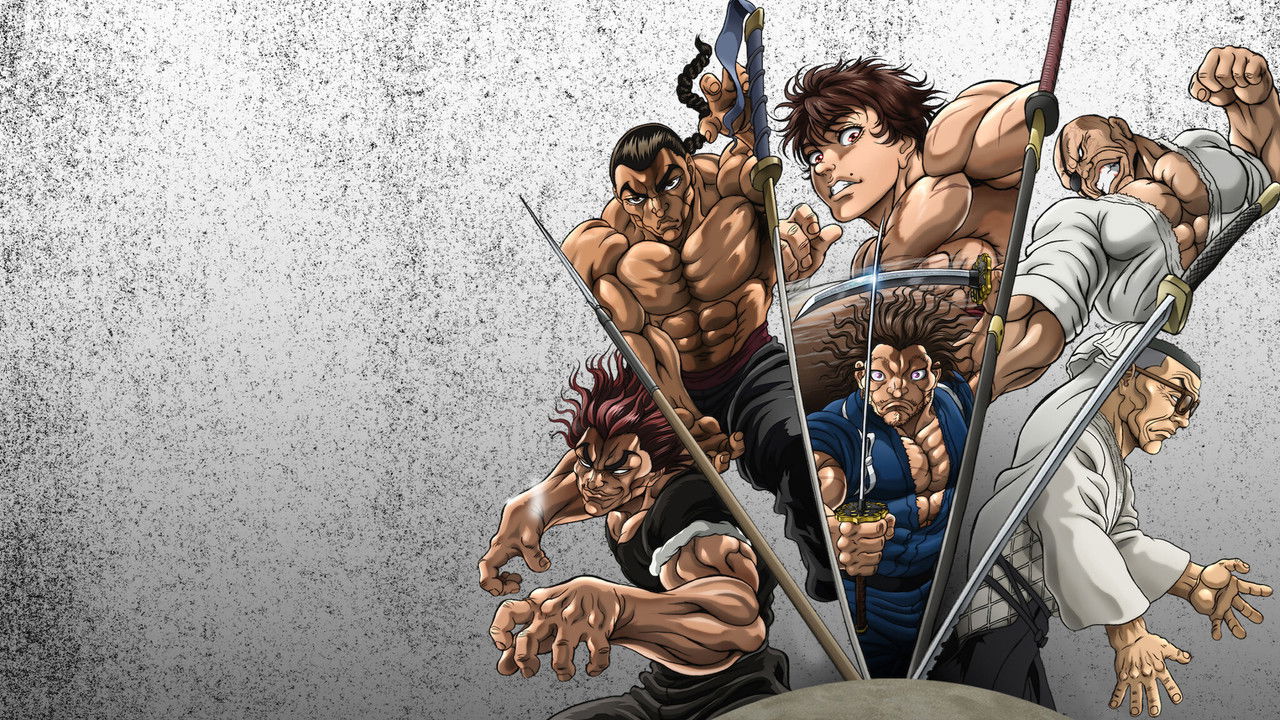
According to Anime News Network, the second part of Baki-dou: The Invincible 侍 (samurai, warrior of feudal Japan) began streaming on Netflix on 18 June 2026. The platform release is the kind of binge-friendly drop Netflix loves, and for fans in Germany the simulcast situation is especially neat, because the stream is available with Japanese and English audio, plus German subtitles. No waiting around week by week. No wondering if the next episode will fumble the pacing. Just twelve episodes, all at once, ready to wreck your evening.
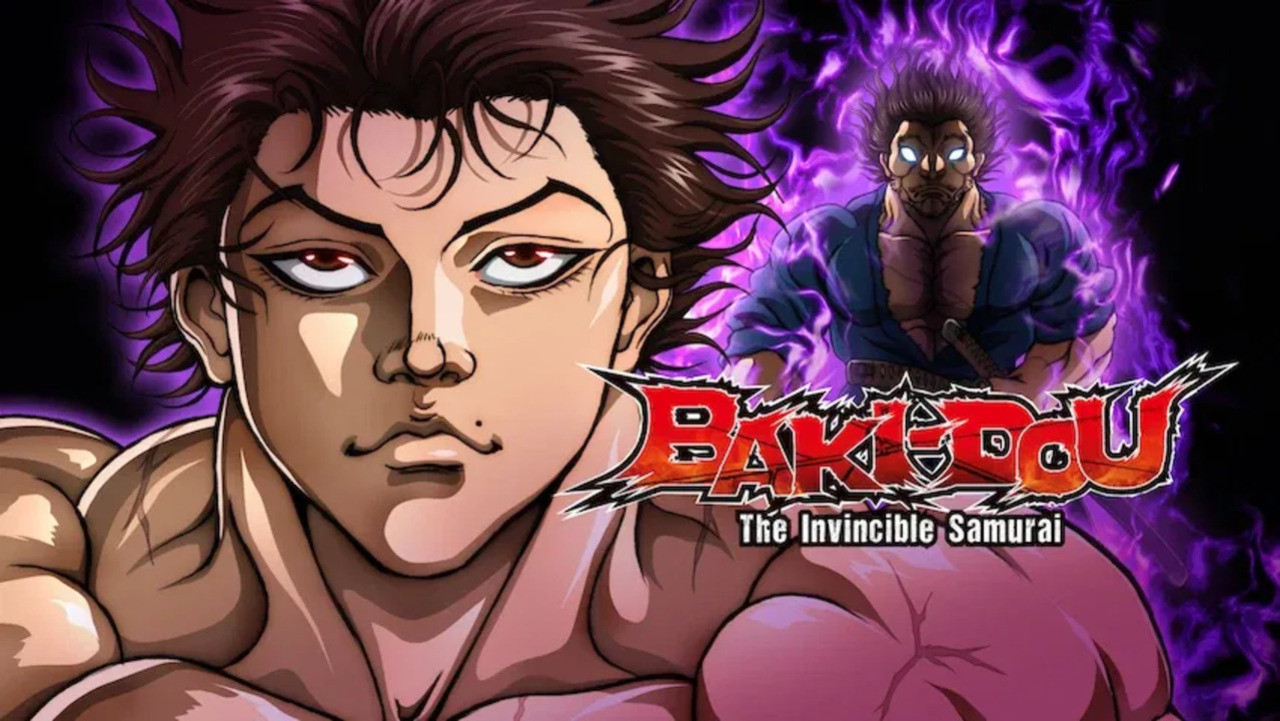
Here’s the thing: this isn’t just "more Baki." It’s Baki at one of its most shamelessly extra peaks, and I mean that as praise. The whole setup leans into a very specific fever dream: a clone of Musashi Miyamoto, the legendary swordsman, is brought back into the modern era, and he does what a revived samurai would absolutely do in this franchise. He immediately becomes a problem for Baki, for the underground fighting scene, and for basically every man who’s ever mistaken confidence for survival.
What BAKI-DOU Part 2 is actually about
For example, if you’re new to this corner of anime, the Baki series is built on escalation. Not normal escalation, either. I’m talking about the kind where someone survives a fight that should’ve ended civilisation, then the story says, "Okay, but what if we made it weirder?" That is Baki in a nutshell, and BAKI-DOU keeps the machine running by dragging a historical warrior into the present and making him a mirror, a threat, and a total chaos agent.
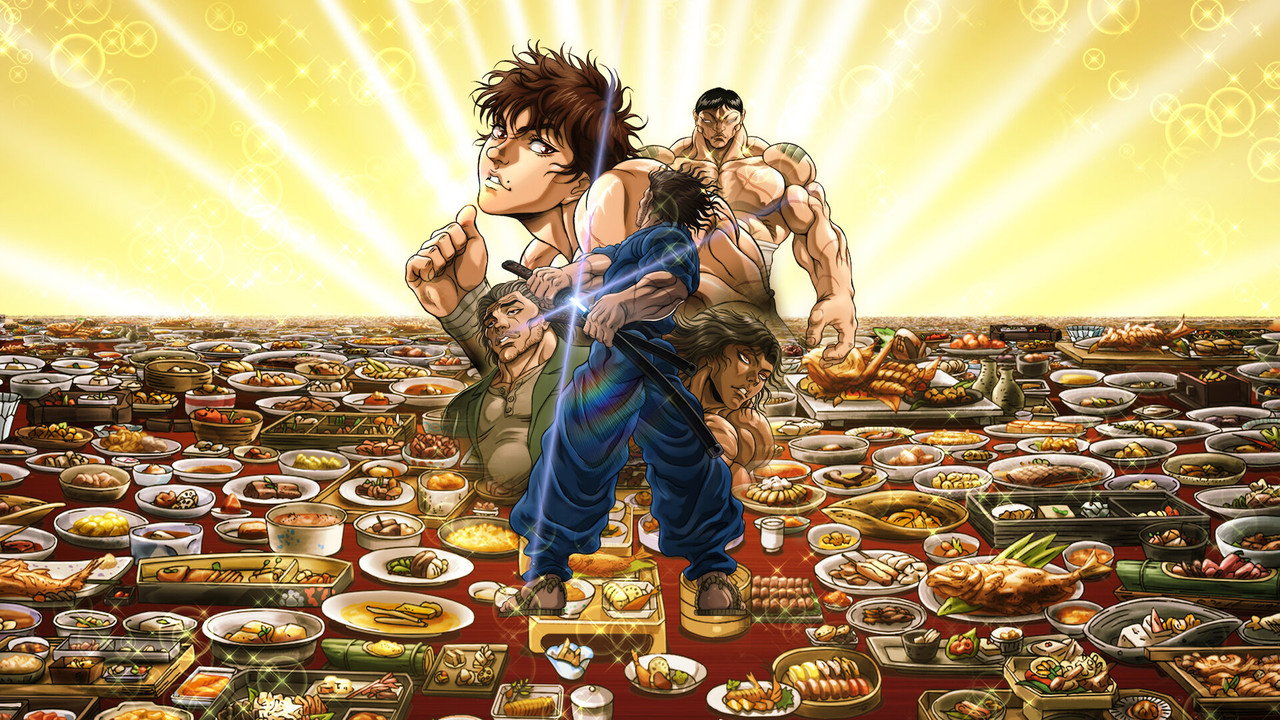
Musashi Miyamoto isn’t just a name dropped for cool factor, although, let’s be honest, that’s part of it. He matters because Japanese audiences immediately recognise the weight of that name, the duelling legend, the vagabond swordsman image, the whole cultural myth around the strongest, sharpest, most terrifying man in the room. When you clone that figure and put him in a world ruled by underground fighters, you get a collision between old Japan and muscle-bound modern absurdity, and somehow it works. Absolutely unhinged. Also, kind of brilliant.
Why the clone angle hits so hard
Take Musashi Miyamoto, for instance. In Japanese fiction, historical figures often return in weird, stylised forms, and BAKI-DOU takes that instinct and cranks it until the knob breaks. It isn’t trying to be realistic, and thank goodness for that, because realism would kill the vibe instantly. Instead, it gives you the tension of a legendary samurai reborn as a clone, then asks a very simple question: what happens when a man from another age meets a world that has turned violence into performance art?
That question is why the arc has staying power. You’re not just watching fists fly, you’re watching values clash, old warrior codes slam into modern bravado, and the series keeps finding new ways to make that collision entertaining. If you like stories where history gets dragged into a bare-knuckle ring and refuses to leave quietly, this is your banger. Convinced yet?
Why the Netflix drop matters for fans and learners
Guess what? The binge release format matters more than people admit. Weekly episodes can build suspense, sure, but for a combat series like this, the momentum often lives in the sequence, the momentum of one absurd fight bleeding into the next, the way the stakes keep ratcheting up before your brain has time to cool down. All 12 episodes arriving together means you can actually feel the arc as a whole, not just as a drip feed of cliffhangers.
And if you’re learning Japanese, this is the kind of show that sneaks vocabulary into your head without feeling like homework. You’ll hear words and ideas tied to combat, discipline, rank, respect, and challenge, terms like 喧嘩 (kenka, fight; quarrel) for fight, 勝負 (shobu, match; contest; bout) for match, 古流 (koryu, old-school tradition; classical style) for old-school tradition, and samurai as the cultural shorthand it has become worldwide. Before I forget: watching with Japanese audio and subtitles, even if you need English or German captions at first, is a solid way to build ear-training for fast, shouted dialogue and the occasional dramatic monologue that Baki loves so much.
My tip: don’t treat this like background noise. Pause on the lines that keep getting repeated, notice how names are pronounced, and listen for honourifics or clipped challenge language. It’s low-key a great listening exercise, even when a guy on screen looks like he’s been carved out of three gym memberships and a bad decision. Personally, I love anime that teaches you vocabulary by sheer force of personality. Classic Japan, isn’t it?
Should you start BAKI-DOU Part 2 today?
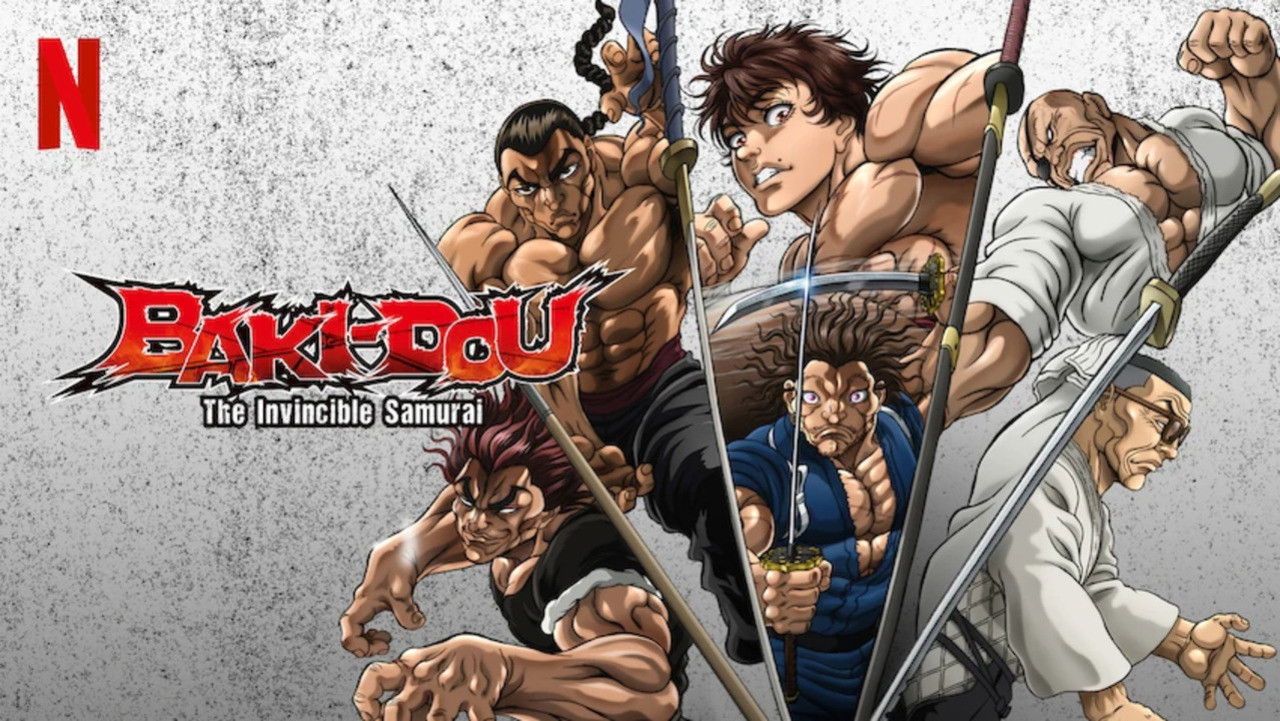
Let’s be honest: if you’re already in the Baki ecosystem, this is an instant watch. If you’re not, but you like martial arts anime, historical figures being repurposed in gloriously silly ways, or just want a show that commits to its own madness with total sincerity, then yes, start now. No hesitation. The fact that Netflix has the whole 12-episode run available makes it even easier, because you can test the waters with one episode and then, if the show grabs you, keep going until midnight and hate yourself a little the next morning. Been there. Regret nothing.
What I especially like is that BAKI-DOU never pretends its premise is normal. It knows exactly how ridiculous the Musashi clone setup sounds, and instead of apologising, it doubles down. That confidence is the whole appeal. At the end of the day, a lot of anime try to be cool. This one just is, by being completely, shamelessly cooked in the best possible way.
If you want more coverage of Japan, anime, and the stuff fans are actually talking about, check out more Japan news on jpnerd.com.
Frequently Asked Questions
How many episodes are in BAKI-DOU Part 2?
There are 12 episodes, and Netflix released them all at once.
Is BAKI-DOU Part 2 available with subtitles?
Yes, the Netflix release includes Japanese and English audio, plus German subtitles for viewers in Germany.
Do I need to watch every Baki series first?
No, but you’ll enjoy it more if you already know the main characters and the series’ over-the-top fighting style.