
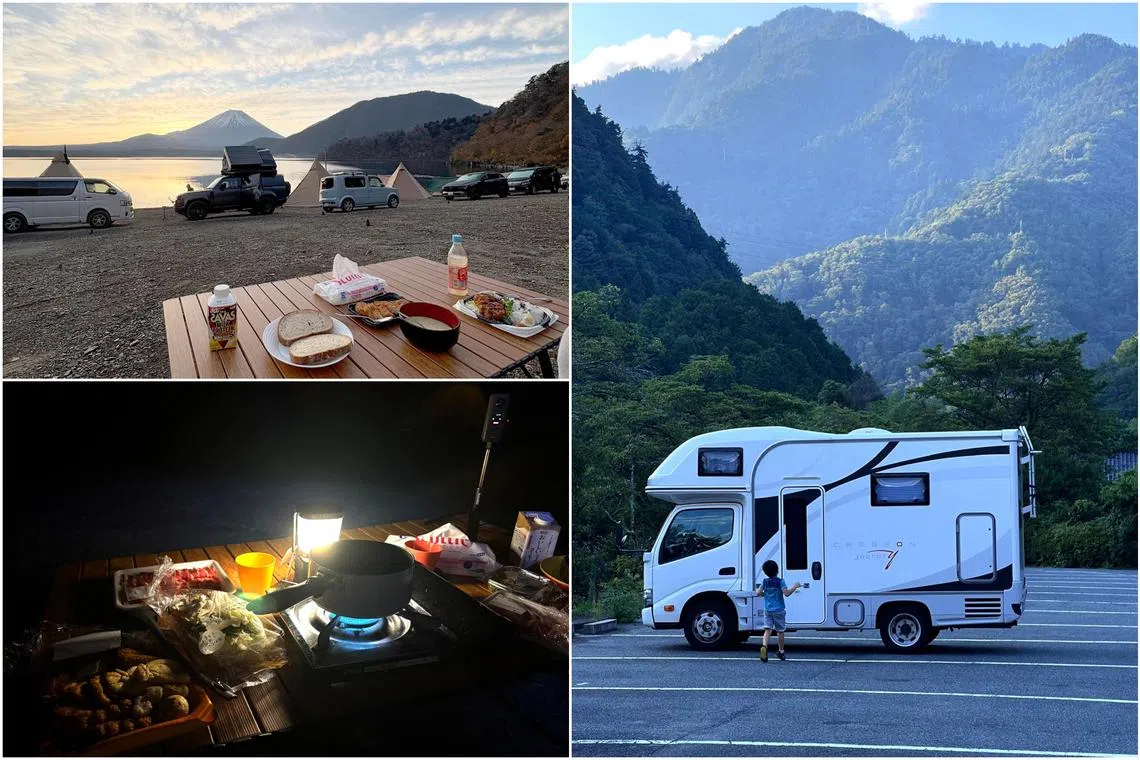
That’s exactly why this route works so well for Japan fans and language learners. You get practical travel details, a taste of local camping culture, and a few romaji words you’ll actually hear on the road.



Did you know that a campervan road trip in Japan can be easier to organise than many first-time visitors expect? The country’s roads are excellent, petrol stations are clean and efficient, and rental companies around Tokyo have spent years refining the process for foreign drivers. For a short but memorable route, Tokyo to Mount Fuji is a brilliant starting point, especially if you want a mix of city pickup, countryside driving, and classic views of Japan’s most famous mountain.
What I especially like is how this kind of trip changes the rhythm of travel. You’re not racing between stations, you’re stopping for a supermarket dinner, finding a quiet onsen, and waking up near a lake with the mountain in the distance. No exaggeration, it feels like a different Japan from the one most visitors see on a standard train holiday. And for Japanese learners, that’s a bonus, because road signs, campsite notices, and convenience-store conversations give you real-world language in tiny, manageable chunks. From my experience, that’s one of the easiest ways to build confidence.
Planning a Campervan Road Trip in Japan from Tokyo
Let me show you why Tokyo is such a practical launch point. Major rental firms operate near the capital, including JUCY Japan, Camroad, and smaller local outfits that hand over vehicles fitted with sleeping space, mini-kitchens, and built-in storage. Depending on the season and model, expect a compact campervan to cost roughly JPY 12,000 to 25,000 per day, while larger vans or fully equipped models can climb higher. Insurance and one-way fees can change the total quickly, so read the fine print before you book.
Hand on heart, I’d keep the first night simple. Pick up the van in western Tokyo or near a major rail hub, stock up at a supermarket like Aeon or Ito-Yokado, then head out once you’ve checked the basics, fuel, toll card, and parking rules. Japan’s expressways are smooth, but tolls add up, so a short first leg makes sense. If you’re nervous about driving in Japan, remember that traffic flows on the left, parking spaces can be tight, and many urban streets are narrower than they look on a map. See what I mean?
Budget tips from Singaporean travellers
Compared with back home, Singaporean travellers often notice that Japan rewards careful budgeting in a very specific way. Food can be inexpensive if you lean on デパ地下 (depachika, department-store basement food hall) 弁当 (bentos, boxed lunches), roadside stations, and supermarket discounts after 7 pm. Several Singapore-based travel accounts have also pointed out that splitting costs between two or three people makes a campervan far more attractive than it first appears, because you’re bundling transport, lodging, and part of your meals into one daily rate. Trust me on this one: the maths matters more than the Instagram shots.
Before I forget, campsite fees are usually far cheaper than business hotel nights near Fuji, and some travellers save even more by mixing proper campsites with roadside 道の駅 (michi-no-eki, roadside station) stops for a rest break, not an overnight wild camp. That distinction matters in Japan, because overnight parking etiquette is taken seriously. If you want a good English-language trip report, the Straits Times article is a useful starting point, especially for the practical budgeting angle. My tip: budget for at least one extra tank of fuel than you think you need, because scenic detours happen fast.
Tokyo to Mount Fuji by Campervan: Best Route and Stops
Ever wondered why the Tokyo-to-Fuji corridor works so well for a campervan trip? It gives you a clean, beginner-friendly route with enough variety to feel like a real journey, not just a long transfer. A common drive is Tokyo to the Fuji Five Lakes area, especially Kawaguchiko, which sits about 2 to 2.5 hours away by car depending on traffic and your exact start point. From there, you can circle the lakes, stop for photos, and choose a campsite with mountain views if the weather cooperates.



For example, many travellers take the Chuo Expressway out of Tokyo, then exit towards Yamanashi Prefecture for Kawaguchiko, Saiko, or Yamanakako. If you’ve got more time, add Fujinomiya on the Shizuoka side, where you’ll see a different face of the mountain and eat gorgeous Fujinomiya 焼きそば (yakisoba, fried noodles). The turn-off towards Lake Yamanaka is especially nice at sunset, and the road can feel almost cinematic when 桜 (sakura, cherry blossoms) are blooming in spring or when the leaves turn in autumn. Wild, isn’t it?
Where to sleep and what to pack
Compared with a hotel-only trip, campervan travel asks for more preparation, but not in a bad way. You’ll want bedding, a flashlight, charging cables, wet wipes, cash for rural parking, and coins for some vending machines or coin showers. Many rental vans come with a small stove, but some travellers prefer cooking outside when campsite rules allow it, using simple ingredients from the local supermarket. That keeps costs down and makes dinner feel a little more personal.
My verdict: if you want the easiest overnight stop near Fuji, choose an established campsite with clear facilities rather than a random car park. You’ll sleep better, and you’ll avoid awkward surprises like closed toilets or overnight restrictions. Japanese campsite culture is polite and tidy, so returning bins to the right place and keeping noise low after dark goes a long way. If you know a few romaji words like お金 (okane, money), トイレ (toire, toilet/restroom), or キャンプ (kyanpu, camping), you’ll recognise them fast on signs and at reception. Little wins matter.
Camping culture, onsen stops, and learner-friendly Japan moments
By the way, one of the best parts of a Japan campervan trip is the small cultural moments you don’t get on a packaged tour. You might stop at a roadside onsen after a long drive, then hear staff explain rules about towels, tattoos, and washing properly before entering the bath. You may also visit a michi-no-eki, Japan’s roadside station system, where local produce, snacks, and tourist maps turn a simple pause into a mini sightseeing stop. This is my absolute hidden gem!
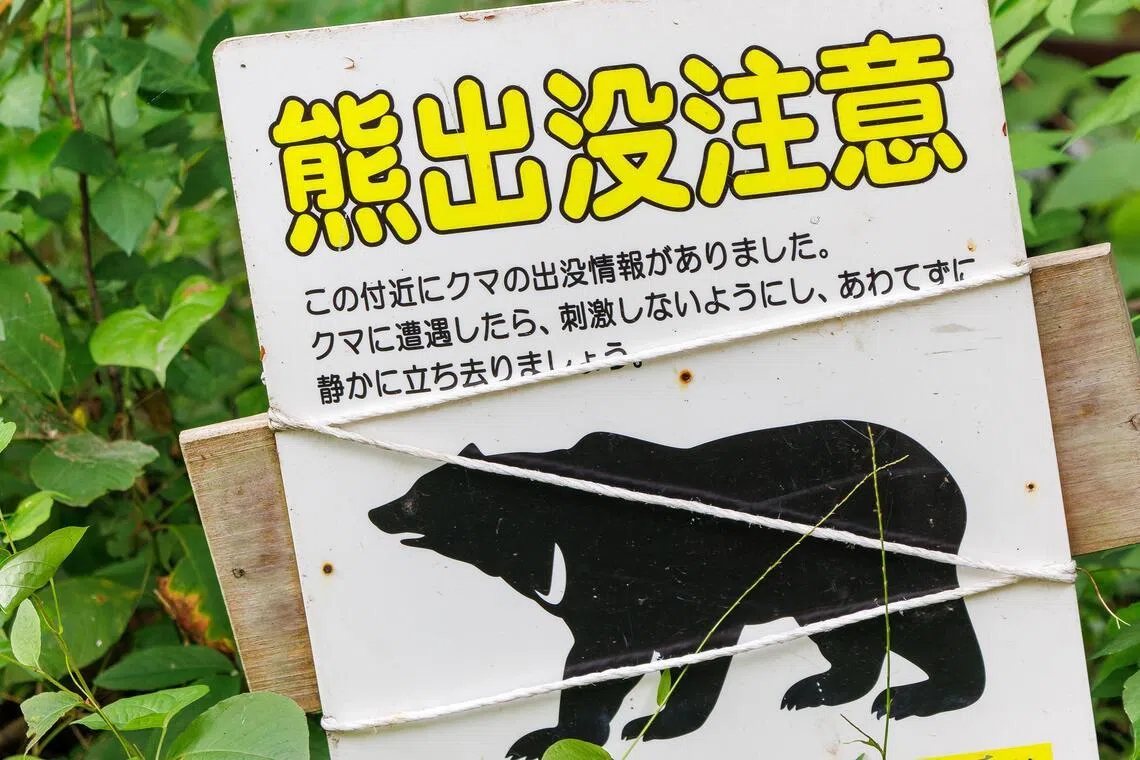
That reminds me: if you’re learning Japanese, this route gives you built-in vocabulary practice. Road signs might show kyuukyou and parking symbols, campsite check-in desks often use straightforward phrases, and convenience stores are full of repeatable language you’ll hear again and again, from number ranges to packaging labels. No exaggeration, you can learn a lot just by watching how people behave, when they bow, how they queue, and how quietly everyone packs up in the morning. From my experience, travel sticks better than flashcards when the setting is real.
Compared with back home, Japan also makes simple logistics feel polished. Even a small campervan trip can run smoothly because of the country’s predictable roads, clear maps, and strong service culture. The trade-off is that you need to respect rules, especially around parking and sleeping. If you do, the reward is huge: blue lakes, a mountain skyline, and the freedom to change your plan when the clouds lift. Highly recommended:
If you want more Japan travel stories and practical updates, check out more Japan news on jpnerd.com.
Frequently Asked Questions
Is a campervan trip in Japan suitable for first-time visitors?
Yes, especially on a short route from Tokyo to Mount Fuji, as long as you are comfortable driving on the left and following parking rules.
How much does a campervan road trip in Japan cost?
For a small van, daily rental can start around JPY 12,000, but fuel, tolls, insurance, and campsite fees can raise the total.
Where is the best overnight base near Mount Fuji?
Kawaguchiko is a strong choice because it is close to the Fuji Five Lakes, has good facilities, and works well for scenic morning views.


