That sounds harsh, and honestly, it is. Square Enix has made a very clear platform decision here, and it’s the kind of detail that can change how fans in Japan and abroad think about physical game purchases.


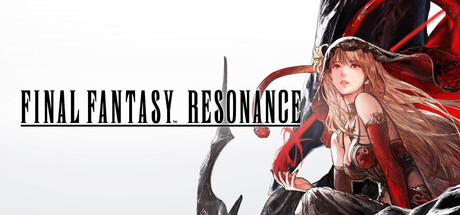
Final Fantasy Resonance is one of those releases that reminds you how messy platform transitions can get. On paper, the game looks like a neat fit for Nintendo fans, especially the people who still enjoy buying physical copies and keeping them on a shelf like a little 床の間 (tokonoma, alcove) of gaming history. But here’s the deal: there won’t be a Switch-to-Switch 2 upgrade, and save data won’t move over either. That’s not a small footnote. It changes the value of the purchase from day one.

According to reporting by My Nintendo News, the situation is tied directly to Square Enix’s decision. No separate upgrade programme has been announced, and there’s no sign of a compatibility bridge for existing saves. If you’re the kind of player who likes to move smoothly from one console generation to the next, that’s a frustrating message. Sounds weird, but it’s true.
From a Japan gaming culture angle, this hits a familiar nerve. Japanese fans have long cared about 勿体無い (mottainai, what a waste; too good to waste), the feeling that something useful is being wasted. A physical cartridge that can’t grow with the hardware, plus save files that get stuck behind a wall, feels a bit like that. If you’re learning Japanese, 続き (tsuzuki, continuation) means “continuation”, and this is exactly what’s missing here, the continuation from Switch to Switch 2. Personally, I think that’s the real pain point, not just the missing upgrade fee.
Final Fantasy Resonance on Switch: no Switch 2 upgrade
Imagine a narrow alley in Tokyo. Small shops on both sides, a lot of careful choices, and very little wasted space. That’s how Nintendo releases often feel in Japan, every version matters, every label matters, and buyers notice the details fast. Final Fantasy Resonance could have been a nice bridge title for early Switch 2 adopters, but Square Enix has apparently chosen not to build that bridge at all.
The lack of an upgrade path means the original Switch version stands on its own, even if Switch 2 owners later want a better version of the same game. That’s not unusual for older cross-gen releases, but for a modern Square Enix title, it still feels like a step back. On the flip side, this may simplify the product line-up for retail, especially for physical copies sold in places like Akihabara and Osaka’s Den Den Town. No confusing “Deluxe Upgrade Pack”, no extra SKU, no nonsense. But for consumers, simplicity doesn’t always equal fairness.
No exaggeration: players have learned to expect some kind of transition plan by now. Even when a game doesn’t launch with perfect cross-gen support, publishers often offer a paid path forward. Here, there’s nothing. If you buy the Switch cartridge first, you’re not getting a future-proof ticket to Switch 2. That matters most for collectors, families who share one game library, and anyone who buys physical because they want flexibility later. Sounds good, right? Not this time.
Save data incompatibility hurts the most
That brings us to the part that stings more than the missing upgrade. Save data incompatibility means your progress won’t follow you to the new system, so the hours you put in on Switch stay there. If you’ve ever spent a long train ride in Japan grinding through a JRPG, only to find your save trapped on an older machine, you know how annoying that feels. Trust me on this one: that kind of break can make or break a purchase decision.
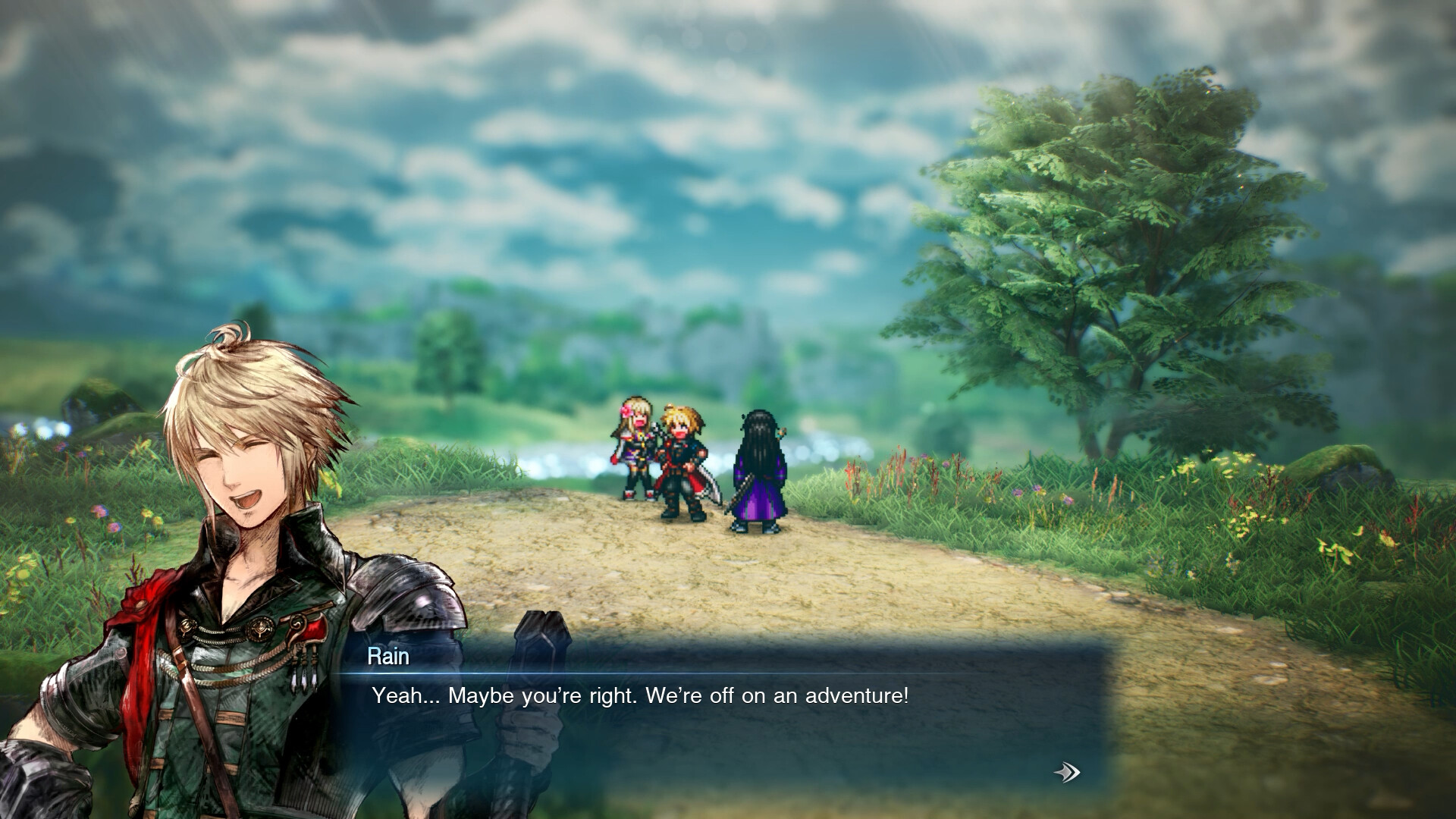
For Japanese learners, this is a useful little vocabulary moment. クラウド (kuraudo, cloud) is “cloud”, データ (deeta, data) is “data”, and 引き継ぎ (hiki-tsugi, handover; transfer) means “handover” or “transfer”. Final Fantasy Resonance seems to be missing that handover completely. In practical terms, it means there’s no clean path from the old hardware to the new one, and that’s a problem for people who expect their game life to move with them, not against them. Classic Japan, isn’t it?
Why save compatibility matters for physical buyers
Physical game buyers are often the most affected by this kind of decision. They’re the people who value ownership, resale, and long-term shelf life, but those strengths only matter if the software itself respects the hardware transition. If a digital storefront can at least flag upgrade options clearly, a cartridge should do the same. Here, it sounds like Square Enix has drawn a hard line, and that line is especially visible for people who buy boxed games from stores like Bic Camera or Yodobashi. My tip: always check upgrade rules before buying a physical version if a sequel hardware launch is even remotely on the horizon.
There’s also the emotional side. A JRPG save file often feels like a personal journal, full of party names, battle choices, and little victories. When that file can’t move, it’s not just data that disappears. The story you built gets stuck in one machine. That’s why this news is getting attention beyond hardcore tech talk. It touches the way people play, collect, and remember games. Personally...
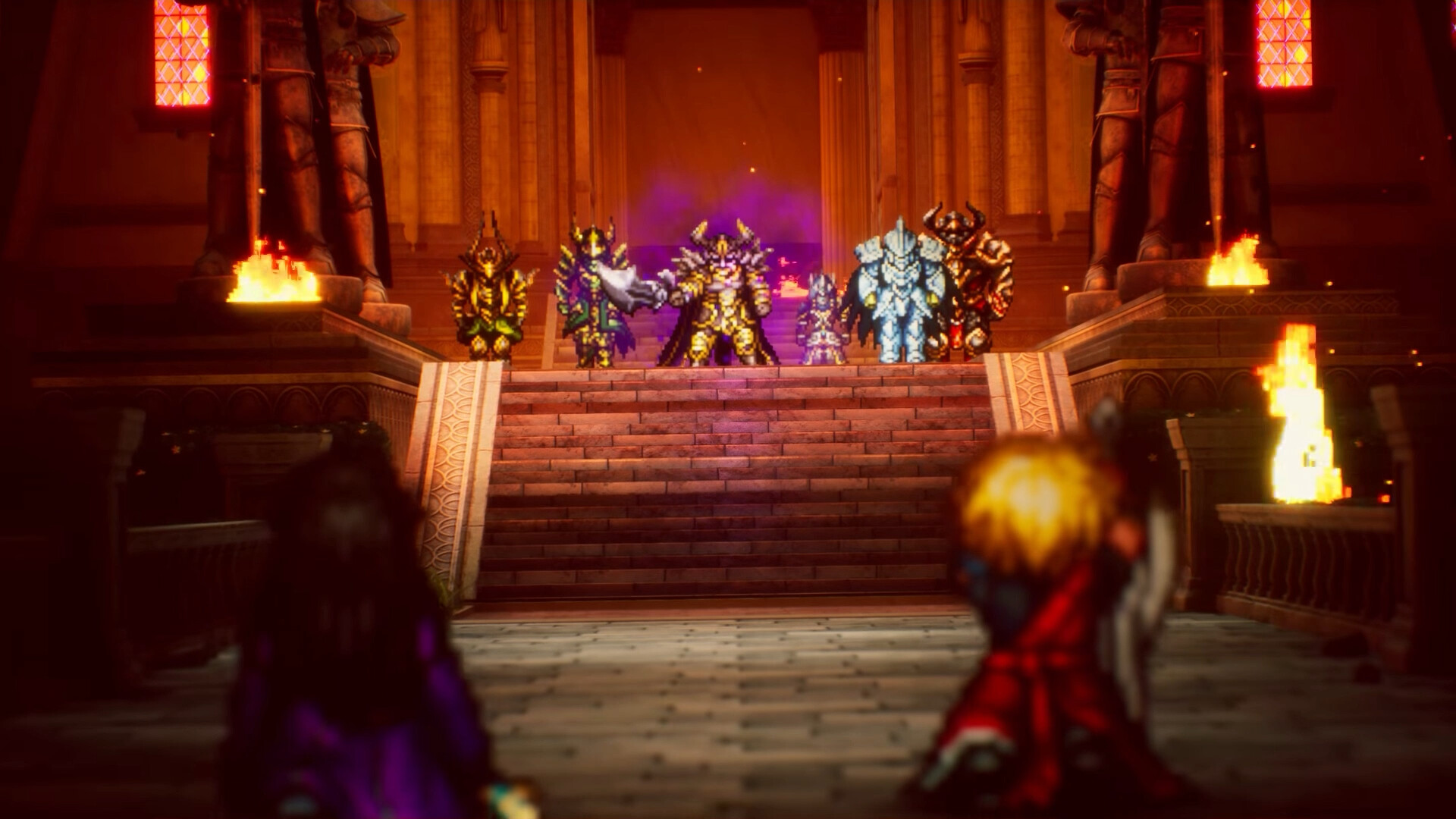
Square Enix’s decision sets the tone
Here's the thing: Square Enix is the company making this call, so the blame or credit lands there too. Publishers choose these policies, and fans usually follow the signal. If Square Enix says no upgrade, then no upgrade it is. That kind of clarity can be useful, but it can also make a game feel less friendly right at launch.
Square Enix has a long history of making big-format RPGs that attract both collectors and completionists, from Final Fantasy to Dragon Quest spin-offs and beyond. That history raises expectations. When a company with that weight declines to offer a Switch 2 path, people notice. The decision also sends a message to retailers and players in Japan: if you want the next machine version, you may need to buy again. Hand on heart: that’s not a consumer-friendly look, even if it simplifies the publisher’s logistics.
Still, there’s a practical lesson here for Japan fans and language learners alike. The market often moves on nuance, not just hype. A tiny line in a product listing, like no upgrade support or no save transfer, can matter more than a flashy trailer. If you read Japanese game news, keep an eye out for terms like 対応 (taio, compatibility; support) for compatibility and 更新 (koshin, update) for update. They’re small words, but they reveal a lot about what a release really offers. From my experience...
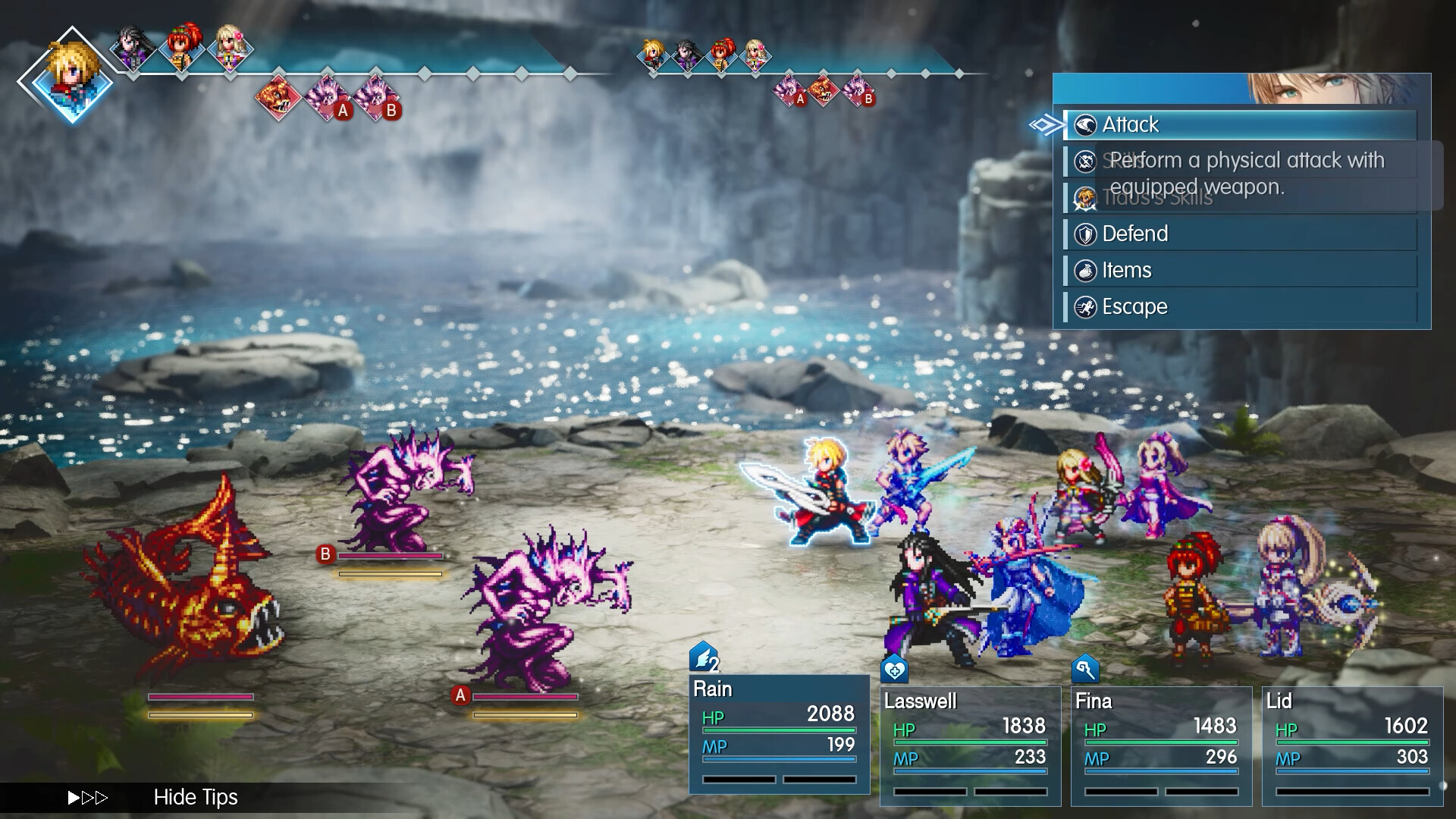
In pictures

Frequently Asked Questions
Will Final Fantasy Resonance get a Switch 2 upgrade?
No, there is no announced upgrade path from Switch to Switch 2.
Can save data be transferred between the two versions?
No, the reported information says save data is incompatible.
Who is responsible for this decision?
Square Enix is the publisher behind the platform policy.