Why Nintendo Switch 2 compatibility matters to gamers
Question: why should you care about Nintendo Switch 2 compatibility, especially if you mostly play indie titles? The answer is simple: compatibility determines which of your favourite games will run, how they’ll perform, and whether your save data or peripherals will work.


Fact: the original Nintendo Switch uses an Nvidia Tegra X1 system-on-chip, launched in 2015, which influenced how developers built or ported games. By the way, changes in architecture between consoles have caused messy transitions before, like the Wii U to Switch, so we should pay attention now.
Compared to back home, Japanese developers often optimise aggressively to meet handheld expectations. They tailor textures, draw distance, and core count usage to get stable 30 or 60 fps on the Switch. From my experience, developers who ignore low-level differences end up shipping poor ports. See what I mean?
Which games are most at risk: hardware and software pitfalls
Plot twist: not all risk comes from raw power. Here’s the catch: CPU architecture changes, graphics API differences, storage formats, and cartridge designs can all break compatibility in subtle ways, even if the new console is more powerful.
I still remember exactly when a cross-platform title hit ugly frame pacing issues because the developer used a platform-specific GPU optimisation. To be fair, engines like Unity and Unreal Engine have come a long way since UE4 in 2014 and UE5 in 2022, but platform-specific patches remain common. Links: Unreal Engine, Unity.
Final Fantasy XIV on Switch 2: why it stands out
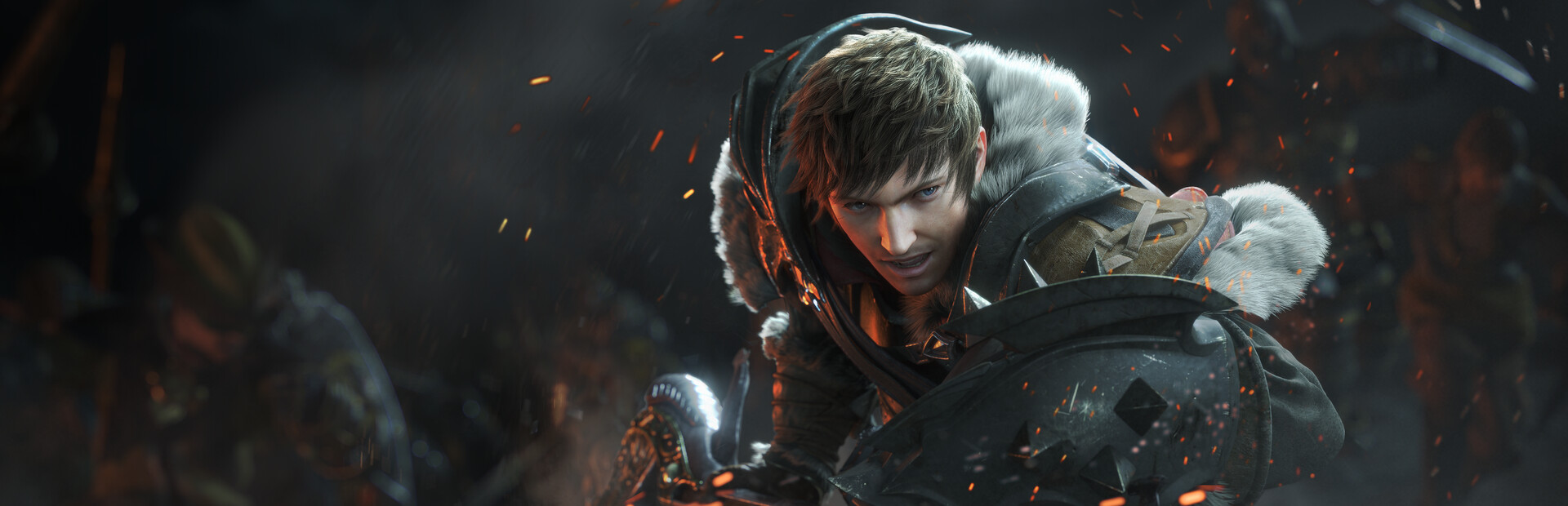
Fun fact: Final Fantasy XIV, developed by Square Enix and relaunched as A Realm Reborn in 2013 after its troubled 2010 debut, is an MMORPG built for robust servers and clients. Porting FF14 to a handheld successor raises questions about CPU scheduling, memory limits, and input latency for real-time encounters.
Let me show you why a Switch 2 port could be tricky: FF14's client often requires significant CPU thread counts and sustained network throughput for raids. If the new console uses a different system architecture or limits background thread priorities, performance could degrade, which would frustrate long-term fans. Wait, there’s more.
Cartridges, save systems and peripherals
Direct address: have you thought about cartridges? Cartridge pinouts and capacity changed across generations, and Nintendo historically uses proprietary formats. If Switch 2 introduces a new media standard, older cartridges might not be physically compatible, and some digital purchases could need redownloading or migration tools.
On a related note: peripherals such as Motion Plus accessories or older amiibo readers may require firmware updates. Developers might also need to recompile middleware, like audio or network stacks, to match new SDKs, which costs time and resources. From my experience, these small costs cause delays more often than headline performance limits.
How developers and players can prepare for compatibility issues
Direct address: if you’re a player, back up your save data to cloud services where possible, and follow official migration guides from Nintendo and publishers. My tip: keep a local copy on an external SSD or cloud, especially for MMOs like Final Fantasy XIV where account-linked data may be managed separately but local cache matters.
Basically, developers should start early with dev kits, review low-level API changes, and stress test multiplayer titles under the new threading and memory constraints. Seriously though, publishers will likely prioritise high-profile ports, leaving smaller titles waiting for patches, so check patch notes and developer blogs before assuming a title will run perfectly.
Plot twist: community tools and emulator workarounds might appear quickly, but those are unreliable and often break terms of service. To be fair, Nintendo's past transitions eventually settled, with many games patched and optimised over months. See what I mean?
Final thoughts for Japan fans and language learners
Question: what does this mean for people learning 日本語 (nihongo, Japanese language), or fans buying games for cultural exposure? If a Switch 2 port changes text rendering or font support, localized Japanese dialogue or 漢字 (kanji, Chinese characters; kanji) display could look different, so keep screenshots or text copies if you’re studying vocabulary. By the way, if you’re collecting physical Japanese editions for language practice, verify if region-specific cartridges will still be readable.
Seriously though, stay informed via developer channels and reliable reporting. If you’re a Final Fantasy XIV fan, monitor Square Enix announcements and official forums. My tip: follow official Square Enix news and community updates to avoid surprises, and be ready to wait for optimised patches rather than expecting flawless releases day one.
Frequently Asked Questions
Will all Nintendo Switch games run on Switch 2?
Short answer: not necessarily. Compatibility depends on hardware architecture, cartridge format, and whether publishers issue compatibility patches.
Is Final Fantasy XIV confirmed for Switch 2?
Short answer: no confirmed mainstream release exists yet. Any port would need significant optimisation for handheld constraints and network behaviours.
How can I protect my save data?
Short answer: use cloud backups where available, keep local backups if possible, and follow official migration tools released by publishers.