
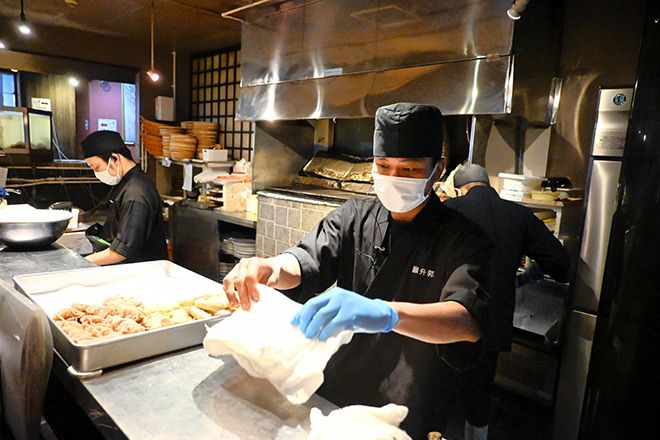
This is a story about Iwate Prefecture, yes, but it’s also about what happens when work, migration, and depopulation all land in the same place at once. You know how it goes: one missing person can be handled, then another, and then suddenly the whole rhythm of a business changes.
Iwate restaurants and the foreign worker shortage
What happens when a small-town 居酒屋 (izakaya, Japanese pub) can no longer find the staff it needs? In Iwate Prefecture, that question is moving from theory to daily reality. The prefecture sits in the Tohoku region, far from the bright commuter belts of Tokyo and Osaka, and that distance matters more than people sometimes admit.

The core problem is simple: labour is scarce. Japan’s working-age population has been shrinking for years, rural areas are ageing even faster, and restaurants need hands at exactly the moments when they’re hardest to keep. The late shifts, the split shifts, the cleanup after midnight… you know, the kind of work that sounds manageable until you actually live it.
Foreign workers have helped fill that gap in many parts of Japan. But in places like Iwate, the pool is thinner, the transport links are weaker, and the appeal of a rural job can be harder to sell. That’s the hidden part of the story. It’s not just about wages, though wages matter. It’s also about convenience, community, and whether someone can imagine building a life there. From my experience, that last part is usually the one people underestimate.
By the way: Japan’s foreign resident population passed 3.4 million in 2024, according to government figures, and that growth hasn’t been distributed evenly. Big cities and industrial zones attract attention first. Quiet prefectures often have to work harder for every hire. Wild, isn’t it?
At the centre of the Asahi report is a restaurant in Kitakami, a city in southern Iwate. Kitakami is not a sleepy backwater, but it is also not Tokyo, and that difference shows up in recruitment. An izakaya there reportedly lost access to the foreign staff it had counted on, and replacing them has become difficult enough to threaten normal operations. That’s the kind of detail that tells you a deeper story is unfolding.
And then the labour shortage hit. Not as a headline, but as a shortage of people who can pour drinks, clear tables, prep food, and keep a small dining room moving without drama. Sounds small. It isn’t.
Why Kitakami izakaya owners are feeling the squeeze
Picture this: a neighbourhood izakaya where regulars know the menu by heart, where the owner greets people by face, and where one busy Friday night can make the week. Now remove one or two workers from that picture. The whole operation starts leaning. That’s basically what many rural food businesses are dealing with now.
Unlike what we’re used to in urban Japan, rural restaurants often can’t simply post a job ad and expect a quick response. The local applicant pool is smaller, younger workers often leave for cities, and even part-time schedules can be hard to fill. On a related note, public transport in rural areas can make late-night shifts awkward, especially for staff who don’t drive or who rely on infrequent trains and buses.
The izakaya model depends on flexibility
An izakaya is not just a place to eat. It’s a social machine. It needs a cook who can pivot, a server who can handle orders fast, and someone who can keep the rhythm flowing when a group of サラリーマン (salarymen, salarymen; office workers) suddenly decides to stay for one more round. If staffing slips, service slips too, and customers feel it immediately.
What I especially like about Japanese izakaya culture is how local it can feel. You sit close, you hear conversations around you, and the room often reflects the neighbourhood around it. But that intimacy also means the business is vulnerable. One missing employee isn’t just a number on a spreadsheet, it can be the difference between staying open and turning the lights off early. My tip: when you travel in regional Japan, pay attention to who’s behind the counter. That tells you a lot.

Some owners try to compensate with longer hours, family help, or cutting menu items. Others reduce opening days. A few may even think about closing entirely if the labour situation doesn’t improve. That brings us to the uncomfortable part… if enough small eateries retreat at the same time, the town loses more than convenience. It loses one of the places where everyday social life actually happens.
Seriously though, this isn’t only an Iwate problem. It’s just easier to see there, because the margins are thinner. In big cities, labour gaps can be patched with volume. In a place like Kitakami, a missing worker can feel like a missing gear.
What foreign workers mean for rural Japan
The first time I went to Japan, I thought the conversation about labour would be mostly about jobs and salaries. It turns out it’s also about geography, ageing, and who gets to imagine a future in a certain town. Rural Japan has been shrinking for years, and every policy discussion eventually runs into the same wall: there are fewer young people, and the ones who remain are already carrying a lot.
Foreign workers are not a temporary decoration on that picture. They’re part of how many businesses survive, and sometimes how they improve. They bring language skills, different work habits, and in many cases a willingness to settle in places Japanese workers themselves have left behind. That matters in a prefecture like Iwate, where the labour shortage is tied to depopulation so tightly that you can hardly separate the two.
Still, relying on foreign labour is not a simple fix. Businesses need support with paperwork, housing, training, and daily communication. There’s also the human side, which is easy to forget when people talk about “staffing.” If someone moves to a tucked-away town, they need more than a job. They need a path to belong there, even a little. That means community spaces, reliable transport, and employers who actually care about retention, not just recruitment.
That’s where Japanese learning becomes unexpectedly useful too. If you are studying the language, think beyond textbook phrases. Words like 仕事 (shigoto, work; job), バイト (baito, part-time job), and 派遣 (haken, temporary dispatch work) appear everywhere in real life, but so do the softer bits of communication, the polite apologies, the quick checks, the small talk that makes a workplace feel human. In a rural restaurant, those details matter. A lot.
One more thing: people sometimes talk about rural Japan as if it is frozen in time. It’s not. It’s changing all the time, just more quietly than the cities. And quiet change can be the hardest to notice until a restaurant starts closing a little earlier, or a job ad stays online a little longer, or a familiar face is suddenly gone.
That’s the part that stayed with me. Not panic. Not drama. Just the slow, stubborn pressure of not enough people for too much work. And you can feel it in places like Kitakami if you stop long enough to look.
If you want to keep following stories like this, more Japan news on jpnerd.com.
Frequently Asked Questions
Why are rural restaurants in Japan struggling so much?
Because they face ageing populations, fewer local workers, and fewer young people staying in the area. That makes hiring harder than in larger cities.
Why do foreign workers matter so much in places like Iwate?
They often fill jobs that local businesses cannot staff easily, especially in restaurants, hospitality, and caregiving. In smaller towns, losing even a few workers can disrupt daily operations.
Is this only a restaurant problem?
No. Restaurants make it visible, but the same labour shortage affects shops, care services, hotels, and other local businesses across rural Japan.


