
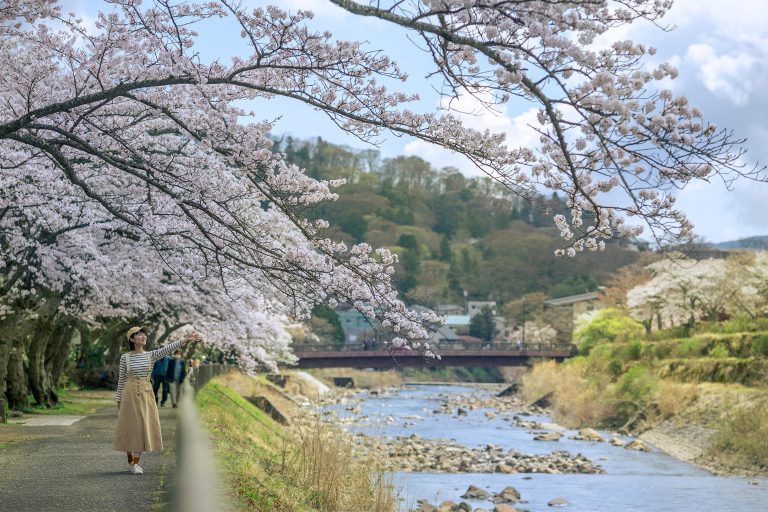
What most people don't know is that the right hotel in Hakone can shape the whole trip, not just the night’s sleep. With transport convenience and hot-spring comfort in one place, Okada Hotel makes planning a lot simpler.



Hakone is one of those places that keeps showing up on Japan wish lists, and for good reason. You get mountain air, hot springs, lake scenery, and, on clear days, that iconic Fuji silhouette. Classic Japan, isn't it?
For travellers who want the onsen experience without turning the trip into a logistical puzzle, Okada Hotel stands out. It gives you a practical base in the Hakone-Yumoto area, which matters more than many first-time visitors realise. My tip? In Hakone, where you sleep can save you time, energy, and a fair bit of train stress.
That brings us to the real appeal here. Okada Hotel isn't just a place to crash after a day of sightseeing, it’s a base that works for people who want to move between trains, buses, ropeways, and hot-spring baths without wasting half the day on transfers. If you’re learning Japanese, this is also a great chance to pick up words you’ll use constantly on the trip, like 駅 (eki) for station, バス (basu) for bus, and onsen for hot spring. See what I mean?
Why Hakone Works So Well for an Onsen Vacation
Hakone sits in Kanagawa Prefecture, southwest of Tokyo, and it has been a hot-spring retreat for centuries. The area is split into several zones, from Hakone-Yumoto to Lake Ashi and Gora, which is why travellers often build a whole itinerary around one base hotel. You’re not just booking a room, you’re choosing your route through the area.
Did you know that Hakone is part of the Fuji-Hakone-Izu National Park, and that geography is a big part of the charm? The mountains create that calm, slightly tucked-away feeling that makes an onsen stay feel properly different from city hotel life. You can soak, eat a 懐石料理 (kaiseki-style, traditional multi-course Japanese meal) dinner, then wake up to misty hills instead of neon. Sounds odd, but it's true.
The hot springs are the main draw, but the pace matters just as much. In Hakone, travel can be slow if you choose the wrong base, especially if you want to hop between attractions like the Hakone Open-Air Museum, Owakudani, or the pirate-style cruise on Lake Ashi. A hotel near Hakone-Yumoto station cuts a lot of friction, and that is a bigger deal than it sounds. But that's not all.
Hakone-Yumoto as a transport hub
Hakone-Yumoto is the first major stop for many people coming from Tokyo. The Odakyu Romancecar from Shinjuku to Hakone-Yumoto takes about 85 to 90 minutes, and local trains and buses branch out from there. If your hotel is close to this area, you can arrive, drop your bags, and start the holiday almost immediately.
To be fair, Hakone is still a mountainous area, so no hotel removes every transfer. But being based near the main gateway makes same-day sightseeing much easier. A great example: if you want to spend your morning at a museum and your evening in an outdoor bath, you don’t want a long ride back through the hills in between. My verdict? That’s a lot smoother.
Okada Hotel Hakone and Why the Location Helps
Okada Hotel is often recommended because it balances comfort with access. It sits in the Hakone-Yumoto area, and that matters for visitors who want a straightforward onsen vacation instead of a complicated mountain transit project. You can reach the hotel from the station area with relative ease, and once you’re checked in, the place feels designed for slowing down.



What I especially like is that this kind of location gives you flexibility. Early arrivals can explore right away, while tired travellers can head straight for the baths. If you’re travelling with luggage, parents, or friends who don’t want to keep changing buses, the convenience is obvious. That reminds me: the best Japan stays often solve practical problems before you even notice them.
Okada Hotel also works well as a two-night stay rather than just one. One night in Hakone can feel rushed, especially if the weather is cloudy or you want a slower bathing schedule. Two nights give you a better rhythm, breakfast without panic, a proper soak, and time to try more than one area of Hakone. Pretty ideal, really.
Transport convenience in real terms
From Tokyo, the trip is already manageable, but the hotel’s real value is what happens after you arrive. In Hakone, local buses and mountain transport can take time, and the area is famous for seasonal congestion on weekends and holidays. A hotel that reduces the need for extra backtracking is worth a lot.
Take a first-time visitor, for instance. They might arrive from Shinjuku, ride to Hakone-Yumoto, check in, then go out toward the ropeway the next day. If the hotel is well placed, that sequence feels smooth. If it isn’t, you spend the day reading bus timetables instead of enjoying the bath. See what I mean?
Fuji Views, Weather Luck, and the Best Way to Plan
Here’s the kicker: Mount Fuji is not guaranteed, even from Hakone. Clear winter mornings give you the best odds, while summer haze can hide the peak completely. That’s why a good Hakone stay is about stacking the odds in your favour, not expecting a postcard from every window.
From Hakone, the classic Fuji-view spots include the Lake Ashi area, the Hakone Ropeway, and some hotel viewpoints on clear days. Okada Hotel’s appeal is that it can serve as a comfortable base for chasing those views when the weather cooperates. If Fuji is visible, great. If not, you still get the onsen, the mountain scenery, and a properly relaxing stay. My tip? Plan for the bath first, the mountain view second.
Japanese learners can have fun with the vocabulary here too. 雲 (Kumo) means cloud, 晴れ (hare, clear weather) means sunny, and 天気 (tenki) means weather. You’ll hear locals talk about the forecast constantly, because in a place like Hakone, weather changes everything. A single clear morning can transform the whole trip, especially if you’re aiming for Fuji photos before lunch. But that's not all.
For people who love Japan travel with a practical edge, this is where Okada Hotel makes sense. It’s not trying to be the fanciest answer in Hakone. It’s trying to be the one that fits real travel patterns, especially if you want hot springs, easy movement, and a chance at mountain views without overcomplicating the trip. My verdict: that combination is hard to beat.
Frequently Asked Questions
Is Okada Hotel a good base for first-time Hakone visitors?
Yes, especially if you want an onsen stay with easier access to Hakone-Yumoto transport links.
Can you see Mount Fuji from Hakone every day?
No, visibility depends heavily on weather and season, so clear views are never guaranteed.
Why stay in Hakone instead of visiting in one day?
An overnight stay gives you time for hot springs, slower sightseeing, and a much more relaxed pace.


