
If you like culture, travel, and Japanese language learning, this is a great place to connect real-world vocabulary with real-world experience. And yes, the sea breeze here really does make the whole visit feel different.
Did you know that Naminoue Shrine sits right in Naha, the capital of Okinawa Prefecture, with the Pacific spread out below it? It’s not the kind of shrine you stumble upon by accident. You go there on purpose, and that’s part of the charm.
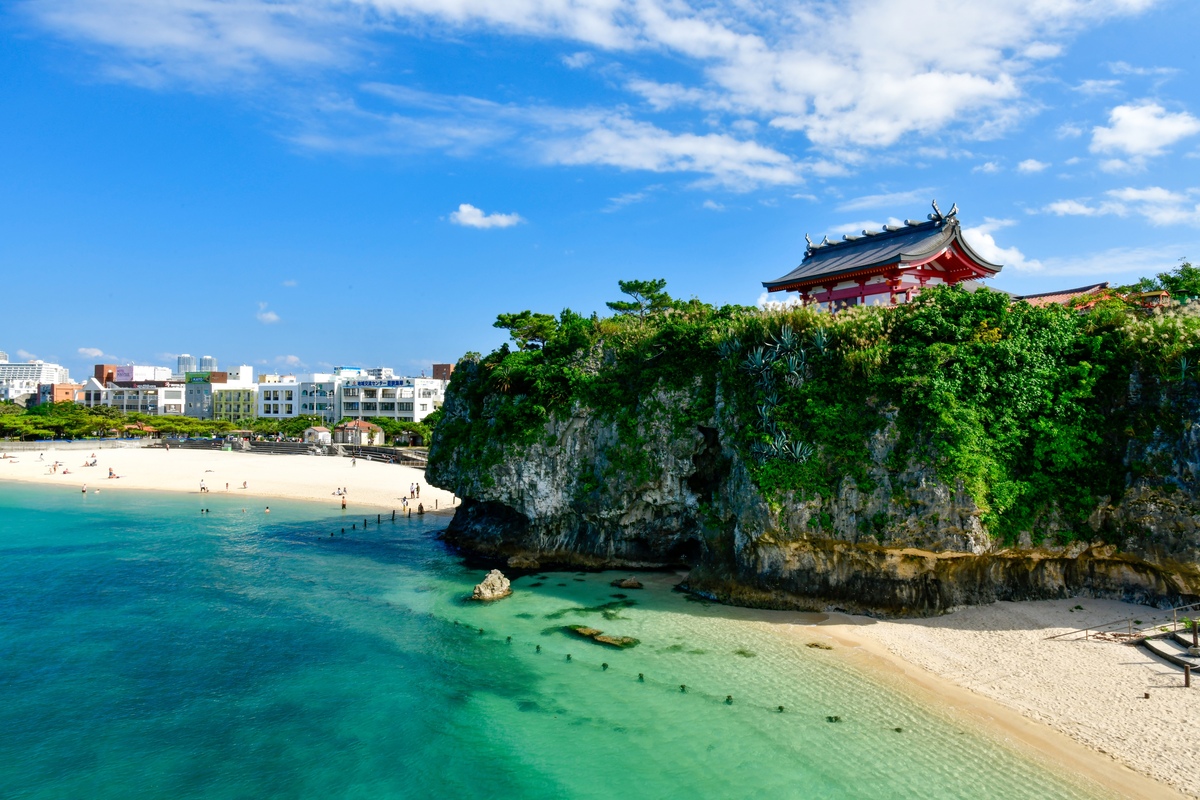
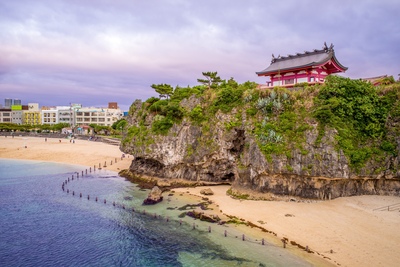
Perched on a cliff above Naminoue Beach, the shrine feels both urban and coastal at the same time. You can hear traffic from the city, but you can also hear waves, wind, and gulls. That contrast is what makes it stick in your memory, and for Japan fans it’s a great example of how sacred spaces in Japan can blend into everyday life instead of floating far away from it. My tip: go early if you want a calmer atmosphere. Sounds good, right?
Naminoue Shrine in Naha, Okinawa
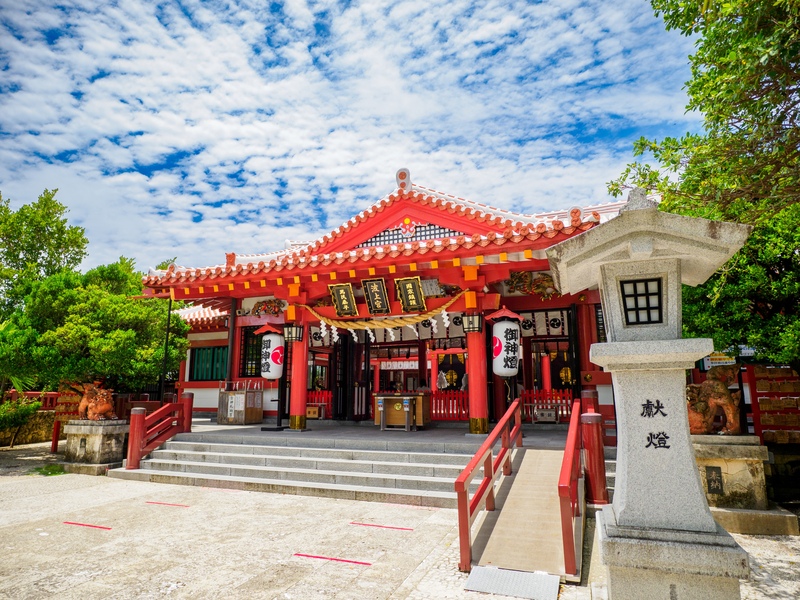
Naminoue Shrine, or Naminoue-gu, is one of the best-known shrines in Naha. The location alone explains a lot of its appeal. You’re in a busy Okinawan city, yet the shrine grounds feel elevated, open, and strangely peaceful.
That reminds me: Okinawa has a different rhythm from mainland Japan, and you notice it even at a shrine. The climate is warmer, the light is harsher, and the sea is never far away. Historically, Naminoue Shrine has been tied to maritime safety and prayers for good fortune, which makes perfect sense when you see where it stands. Fishermen, traders, and local families have long treated it as a place to ask for protection before setting out, and that practical connection still shapes how people feel about it today.
What many overlook: the shrine is not huge, but its placement gives it weight. The stone stairs, the cliffside view, and the compact worship area create a strong first impression without any need for spectacle. You don’t need a long visit here. Even 20 to 30 minutes can be enough if you’re moving around Naha, but it’s the kind of stop that lingers in your head. Personally...
Why the setting matters
The sea view isn’t just pretty, it changes the mood of the whole visit. Instead of feeling enclosed, you feel exposed to sky and water, which is rare for a city shrine. For learners of Japanese, this is a nice place to notice words like 神社 (jinja) for shrine, 祈願 (kigan) for prayer, and お守り (omamori) for protective charms. Seeing them in context makes them easier to remember than any flashcard ever will. Seriously though, that’s one reason travel and language learning work so well together.
Worship flow and shrine etiquette at Naminoue
Know that feeling when you want to do the right thing, but you’re not fully sure of the order? Shrines can feel like that at first, but Naminoue Shrine follows the standard flow found at many jinja across Japan. If you’ve visited before, the basics will feel familiar. If not, don’t worry, the steps are simple.
Basically: you enter through the 鳥居 (torii, shrine gate) gate, then pause to purify at the 手水舎 (temizuya, purification basin) if one is available. After that, you approach the main worship area, place your offering, bow twice, clap twice, pray, and bow once more. This is the classic ni 礼 (rei), ni hakushu, ichi rei pattern, and it’s the one most visitors try to remember. You won’t be judged for being careful, either. Japanese shrine etiquette is about respect, not perfection. By the way, if you’re unsure, watch what the locals do and copy the pace, not just the motions.
What to wear and how to behave
You don’t need formal clothes, but neat and comfortable is best. Avoid loud behaviour, stay off restricted areas, and don’t block pathways while taking photos. A small bow before and after your prayer is a nice touch, and keeping your voice low helps preserve the atmosphere for everyone around you.
What I especially like: shrine etiquette teaches you a lot about Japanese cultural thinking without anybody lecturing you. You learn by observing, slowing down, and paying attention to small details. That’s a great mindset for Japanese language learners too, because the same habit helps with particles, honorifics, and everyday phrasing. My verdict: simple rules, but they make the visit much better.
What to see, buy, and remember at the shrine
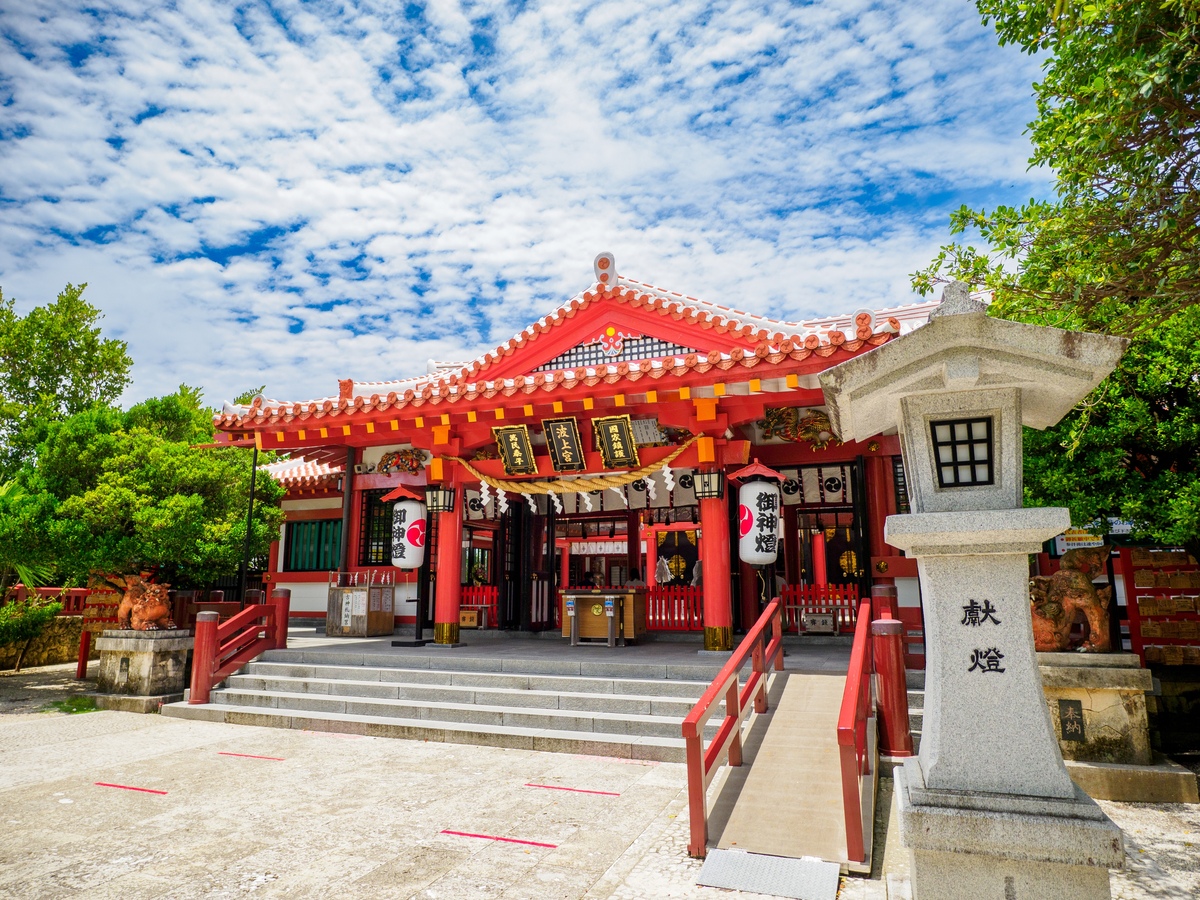
Plot twist: even a compact shrine visit can give you plenty to notice. The main hall, the cliffside viewpoint, and the surrounding grounds all work together, so you’re not just there for one quick photo. If you’re lucky, you may also catch worshippers coming and going quietly, which adds to the sense that this is a living place, not a museum.
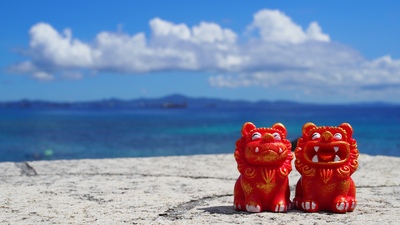
Many visitors also look for omamori, 絵馬 (ema, votive wooden plaque) wooden plaques, and 御朱印 (goshuin, shrine stamp) if the shrine is offering them. These make excellent souvenirs, but they’re also a practical way to connect with shrine culture. An omamori isn’t just a trinket, it carries a specific prayer intention, like safety, success, or good health. Ema, meanwhile, are messages to the kami, often written with a name, wish, or short statement. For learners, those are useful words to know, because you’ll see them across Japan, from Tokyo to Okinawa.
It’s early morning in Kyoto. That same quiet energy, though in a completely different setting, is what makes shrine visits memorable. Naminoue may be urban and coastal instead of temple-lined and old capital calm, but the feeling of pause is similar. If you’re building a Japan itinerary, pairing this shrine with a walk along Naha’s coast or a stop near Kokusai-dori makes a lot of sense. Highly recommended:
If you want to continue exploring Japan content on jpnerd.com, check out more Japan news on jpnerd.com.
In pictures
Frequently Asked Questions
Where is Naminoue Shrine located?
It is in Naha, the capital city of Okinawa Prefecture, above Naminoue Beach on a cliff.
What is the correct shrine worship flow?
Enter respectfully, purify if possible, offer a prayer, bow twice, clap twice, pray, and bow once more.
Can first-time visitors easily visit Naminoue Shrine?
Yes. The basics are easy to follow, and watching other visitors is a good way to understand the etiquette.


