
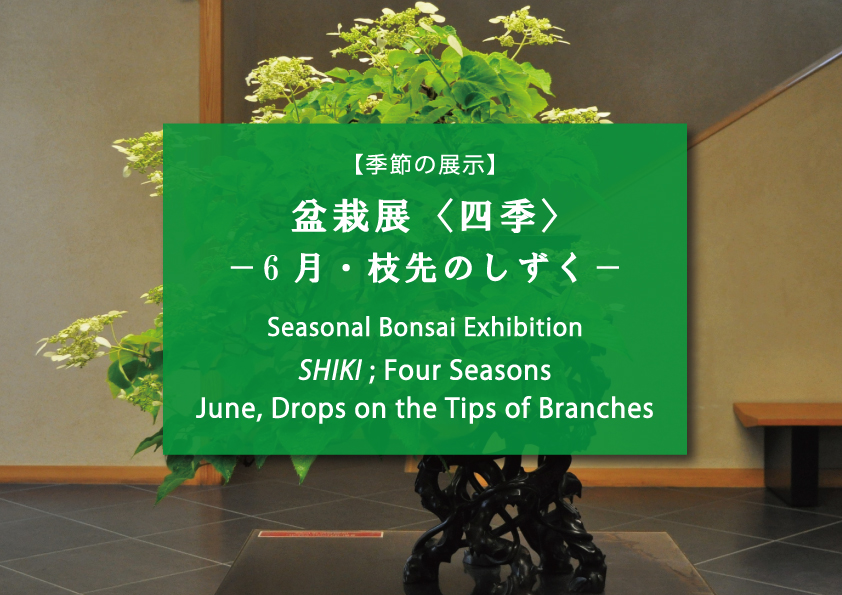
If you’re into Japan travel and Japanese learning, this is a brilliant hands-on way to connect language, craft, and culture. You’re not just looking at a 盆栽 (Bonsai, miniature tree art), you’re shaping one, and that changes the whole mood of the day.
What if your best Japan memory wasn’t a famous landmark, but a table, a pair of scissors, and a miniature tree you shaped yourself? Bonsai making in Japan gives you exactly that kind of story. It’s quieter than a temple visit, slower than a food tour, and far more hands-on than most visitors expect.
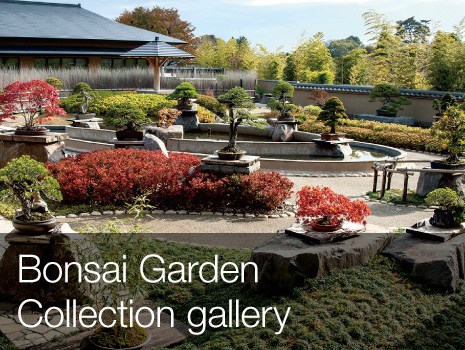
Compared with back home, where workshops often feel like a nice extra, bonsai in Japan can feel like a real craft lesson with roots in everyday culture. You learn to look closely, cut carefully, and wait. That’s the point, and it’s what makes the experience so memorable. Hand on heart: if you want a Japan activity that feels personal, not packaged, this one’s highly recommended. Convinced yet?
Why bonsai making in Japan feels like slow travel
Slow travel is really about attention, and bonsai demands exactly that. You don’t rush a branch into place, you study the shape, the balance, the empty space, and the way the tree wants to grow. The reason’s simple: bonsai is less about control than about guided patience.
No wonder, because bonsai has deep ties to Japanese aesthetics like 侘び寂び (wabi-錆 (sabi, rust)), the beauty of imperfection, and 間 (ma, space; pause), the meaning of space or pause. A tree may be tiny, but the idea behind it is huge. In Japan, many bonsai enthusiasts spend years training a single tree, sometimes decades, and that long view is part of the charm. My tip: don’t treat it like a quick souvenir class, treat it like a tiny meditation. From my experience...
The Japanese mindset behind the craft
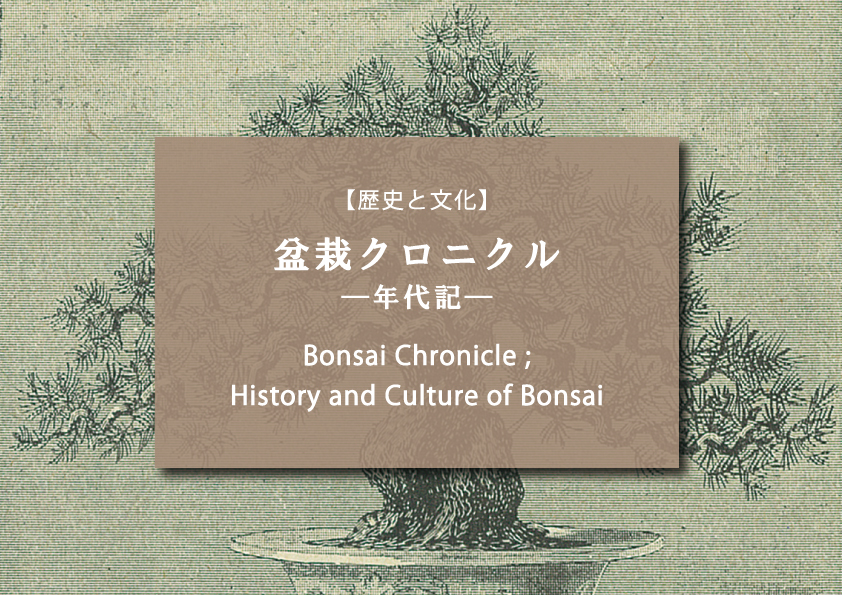
What most people don't know is that bonsai isn’t just about making a plant look cute. It’s a living art form shaped by pruning, wiring, repotting, and seasonal care. The first bonsai-like practices developed in China, but Japan refined the art over centuries, especially from the Edo period onward, when horticultural culture flourished.
That history matters when you sit down in a workshop. You’re not just handling soil and wire, you’re participating in a tradition that values restraint, discipline, and calm observation. It feels very Japanese in the best way. Simply brilliant.
Where to try bonsai making in Japan
Looking for a concrete place to start? Saitama City, north of Tokyo, is one of the best-known bonsai areas in Japan, especially the Omiya Bonsai Village, which has been a bonsai centre since the 1920s. The Omiya Bonsai Art Museum is a strong first stop, and nearby workshops often let visitors try styling a tree under expert guidance. If you’re staying in Tokyo, it’s an easy half-day trip, and the whole area feels built for curious visitors.
Plot twist: you don’t need to be an expert gardener to enjoy it. Many studios offer beginner-friendly sessions where you choose a pot, inspect a young tree, trim leaves, and wire branches with help from a bonsai master or instructor. Some workshops last 60 to 120 minutes, while more detailed experiences can run half a day. Oh, almost forgot: you’ll usually get to take your finished tree home, which makes the memory last much longer than a photo.
Other places worth checking
While we're at it, Kyoto, Osaka, and Kanazawa also have bonsai shops, gardens, and occasional workshop experiences, especially through local craft studios or tourist programmes. Tokyo neighbourhoods with strong plant and garden culture sometimes host pop-up classes too. If you search for terms like bonsai workshop, bonsai experience, or bonsai class in Japan, you’ll find options ranging from serious apprenticeships to relaxed tourist-friendly sessions.
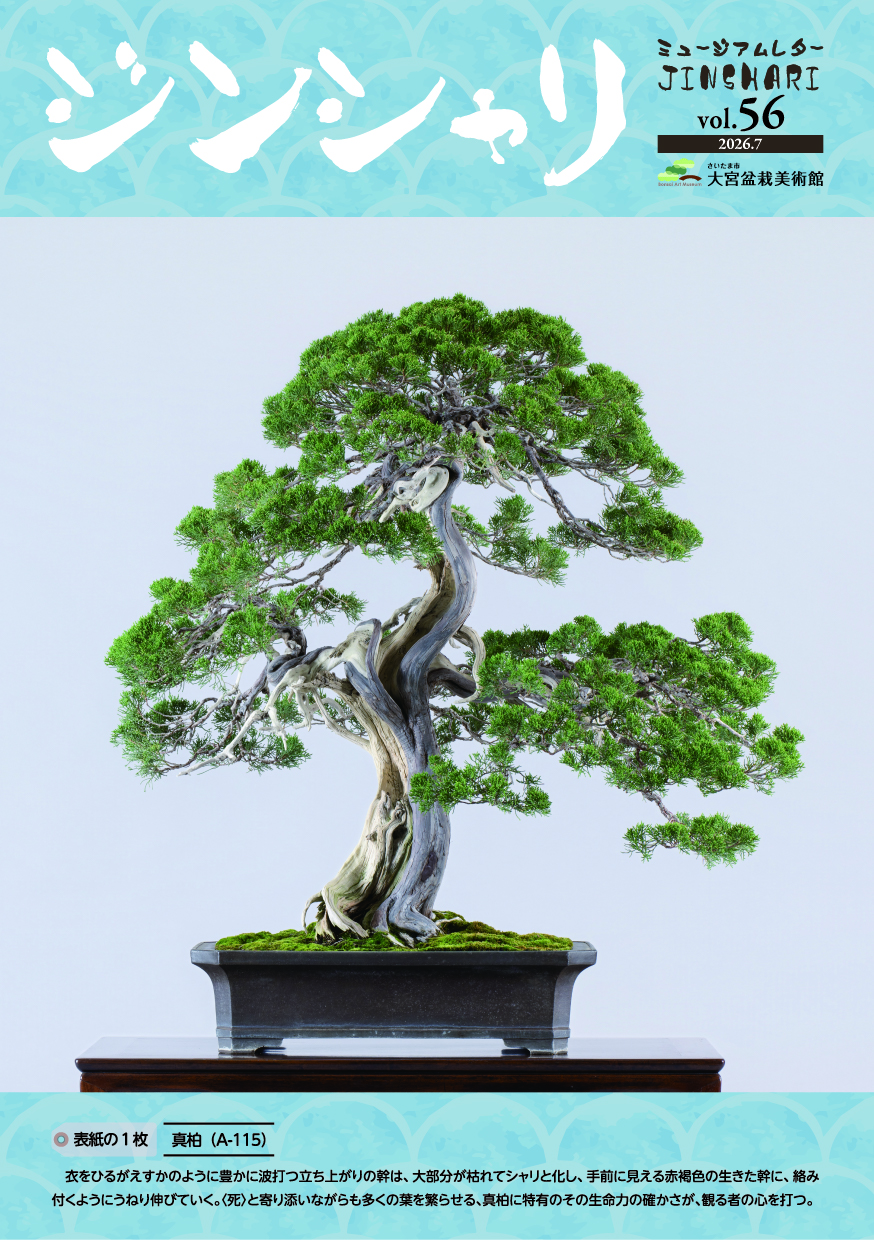
Fun fact: some workshops use trees such as juniper, pine, or maple, because they respond well to wiring and shaping. Juniper is especially common for beginners. It’s tough enough to survive a little clumsy enthusiasm, and that’s useful when you’re learning. Convinced yet?
What you actually do in a bonsai workshop
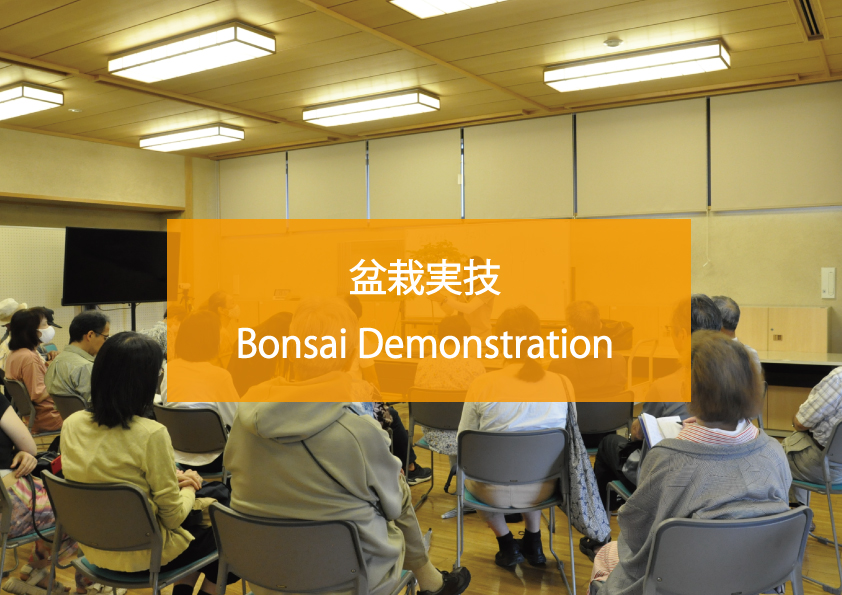
Insider tip: the best part is that bonsai making is physical, but not exhausting. You sit, you look, you ask questions, and then you act with precision. There’s clipping with small scissors, removing dead leaves, untangling roots in repotting sessions, and sometimes wrapping thin wire around branches to gently change direction.
Compared with a typical sightseeing stop, the pace feels almost radical. You’re forced to slow your hands down, because a wrong cut stays visible. That creates a kind of focus that many travellers don’t get on busy trips. The studio atmosphere helps too, since bonsai workshops often feel like compact classrooms or craft studios, with tools lined up neatly and the instructor moving from one person to the next.
Useful Japanese words to know
If you’re learning Japanese, this is a lovely chance to pick up a few terms that sound natural in context. Bonsai itself is an easy one, of course, and you may also hear sabi for rust, nure for dampness in some gardening contexts, or the broader word 植木 (ueki) for potted plants. More relevant in a workshop are words like 鋏 (hasami) for scissors, 水 (mizu) for water, and tsumaeru for pinching or trimming.
No joke: even a handful of words makes the experience more fun. If the instructor says arigato gozaimasu after you finish a task, it feels good to answer with confidence. And if you hear the word shokunin, you’re hearing something bigger than “craftsperson”, you’re hearing the respect Japan gives to skilled, patient work. That connection between language and action is part of why the experience sticks. But that’s not all.
Why bonsai is such a strong Japan travel tip
So why choose bonsai over another standard attraction? Because it gives you a memory shaped by your own hands. You’ll remember the tiny branches, the smell of soil, the instructor’s corrections, and the moment the tree suddenly looked more balanced after one careful cut. That’s harder to forget than another crowded photo stop.
Hand on heart: bonsai is also a great counterbalance to a fast-paced Japan itinerary. If your trip includes busy stations, packed districts, and lots of food stops, a bonsai workshop resets your tempo. It’s quiet, deeply local, and full of craft knowledge that’s easy to underestimate until you’re sitting there doing it yourself.
What I especially like is that it gives Japan fans a way to move beyond consumption and into participation. You’re not only buying, photographing, and moving on. You’re learning a craft that reflects Japanese patience, seasonal awareness, and respect for form. Highly recommended, especially if you want your trip to feel a little more personal and a little less scripted. From my experience...
If you’re planning a Japan route and want one slow, hands-on day, bonsai making should be on your list. It’s beautiful, calm, and surprisingly practical for learners too, because it ties language, culture, and movement together in one small workshop. And honestly, that’s the sort of travel experience that stays with you.
In pictures

Frequently Asked Questions
Is bonsai making in Japan suitable for beginners?
Yes. Many workshops are designed for first-time visitors and include step-by-step guidance.
How long does a bonsai workshop usually take?
Short sessions often last 60 to 120 minutes, while more detailed classes can take half a day.
Can I take my bonsai home?
In many workshops, yes, you can bring your finished tree home as a travel keepsake.


