If you grew up with Hyrule on the Nintendo 64, this news hits hard. For Japanese learners, it’s also a fun reminder that Nintendo’s communication style often balances nostalgia, precision, and just enough mystery to keep everyone guessing.
![Dragon Ball Z: Kakarot [Master Edition]](https://s.pacn.ws/1/p/1eh/dragon-ball-z-kakarot-master-edition-908785.1.jpg?v=t8ja8t&width=400)

Ever wondered why Ocarina of Time still gets people talking after all these years? The answer is simple: it wasn’t just a game, it was a generation-defining memory. Nintendo’s now added fresh fuel to the fire by confirming new remake details, and the phrase that stands out most is “stunning visuals”. That alone is enough to make longtime Zelda fans sit up straight, but the mention of updated designs matters just as much. It suggests this isn’t being treated like a lazy coat of paint. Sounds odd, but it’s true.
For Japanese learners, there’s a nice little angle here too. Games like Zelda are packed with cultural language moments, from adventure vocabulary to the way Japanese fans talk about nostalgia, or 懐かしい (natsukashii, nostalgic; full of nostalgia). My tip: when you read Nintendo news in English, try to spot the tone. Japanese companies often communicate with a careful mix of excitement and restraint, and that tells you a lot about how they want fans to feel. Wild, isn’t it? Wait, there’s more.
Nintendo confirms Ocarina of Time remake details
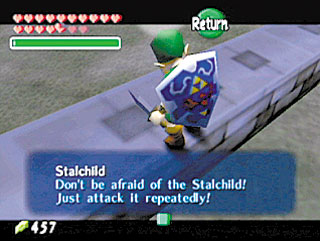
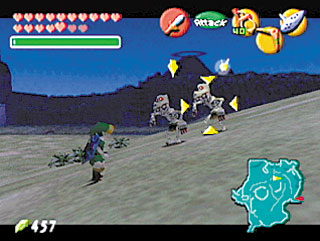
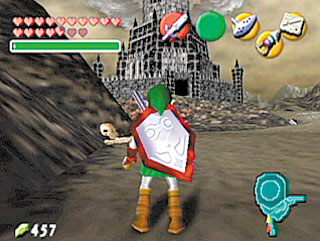
The original The Legend of Zelda: Ocarina of Time launched in 1998 for the Nintendo 64, and for many players it was the first truly cinematic Zelda. It introduced 3D dungeons, lock-on combat, and a time-travel structure that still feels elegant today. Nintendo’s new comments focus on three pillars: stunning visuals, updated designs, and timeless gameplay, which is a smart way to frame a remake of a game this beloved.
What I especially like is that Nintendo isn’t pretending the original needs to be replaced. Instead, the message is more like, “this classic deserves a new presentation.” That’s a very Japanese kind of approach, actually. Respect the original, refine the details, and don’t shout too loudly about the change. Compared to back home, where remakes are often sold as total reinventions, Nintendo’s style feels calmer. Convinced yet?
Why the visuals matter so much
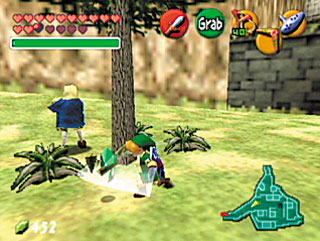
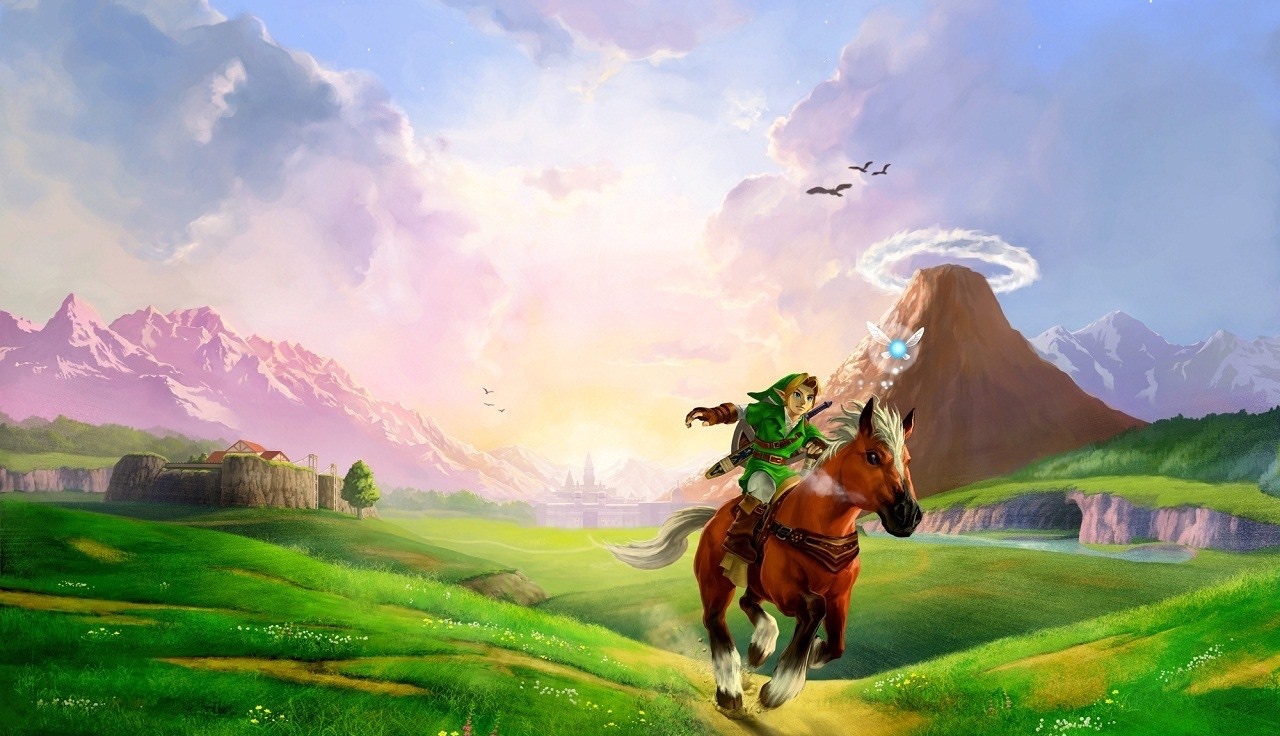
When a remake is this famous, visuals aren’t just decoration, they’re the whole conversation. Hyrule Castle, Kokiri Forest, Lake Hylia, and the Shadow Temple all carry specific memories for players, so a visual upgrade has to do real work. The key question is whether Nintendo will go for a photoreal look, a stylised modern Zelda look, or something in between.
For example, The Legend of Zelda: Link's Awakening on Nintendo Switch used a toy-like diorama style in 2019, and it worked because it made the whole world feel like a handcrafted model. If Ocarina of Time remake takes a similar route, the update could make old locations feel fresh without losing their identity. That’s the balance fans want. Seriously though: if Nintendo nails the atmosphere of the Forest Temple, the internet will probably explode. See what I mean?
Updated designs and Nintendo communication
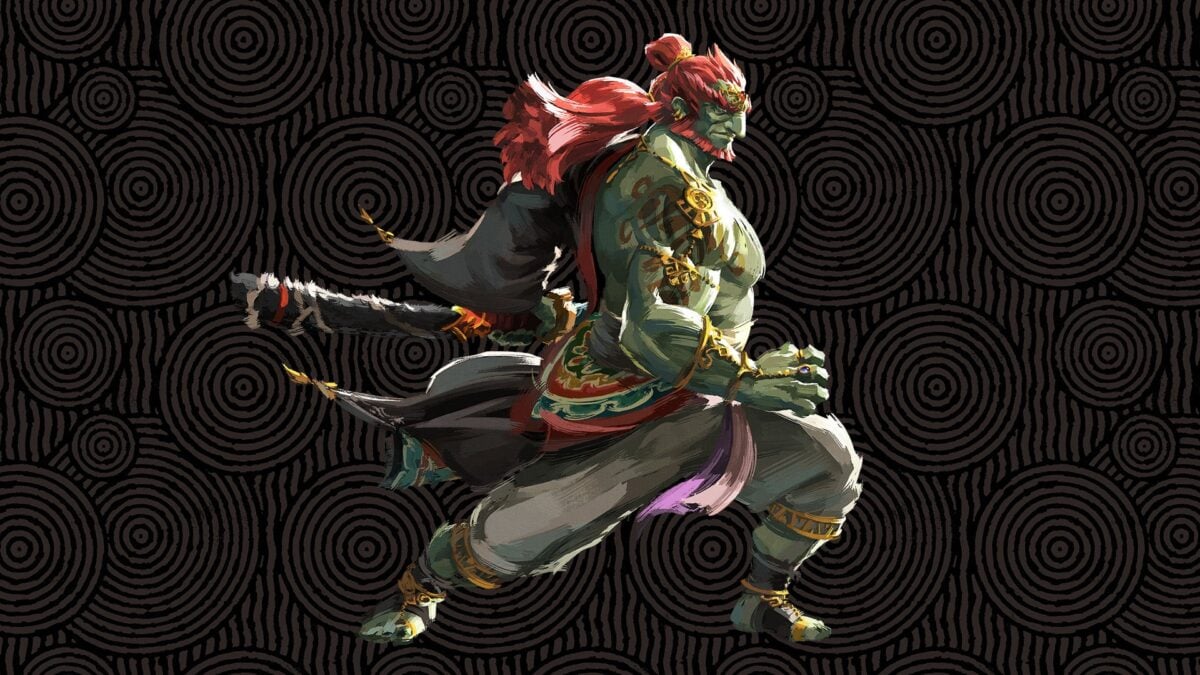
Here’s the kicker: “updated designs” can mean a lot more than sharper textures. It can cover character proportions, clothing details, enemy silhouettes, UI layout, and even the way items are presented. Think about how Princess Zelda, Ganondorf, and Link have each been reinterpreted across different eras. In Japan, character design is often treated as a form of storytelling, not just visual polish, and that’s especially important for a series like Zelda.
Nintendo’s communication around this remake also feels carefully managed. The company doesn’t usually overshare, and when it does speak, every word tends to be chosen for a reason. That’s why the combination of “stunning visuals” and “timeless gameplay” stands out. It says, in effect, this will look new, but it must still feel like Zelda. Pro tip: if you want to understand Japanese game announcements, pay attention to what’s emphasised and what’s left unsaid. The silence can be just as meaningful. Wait, there’s more.
What this means for Zelda fans and learners
For Zelda fans, this is pure natsukashii energy. It brings back the feeling of being a kid in front of the TV, hearing that opening fanfare, and stepping into Hyrule for the first time. For Japanese learners, it’s also a good case study in how a single game can become part of global pop culture while still carrying a very Japanese design sensibility, especially in pacing, symbolism, and attention to atmosphere.
If you’re studying Japanese, this is a nice moment to learn a few related words in context. 奇跡 (Kiseki, miracle) means miracle, 世界観 (sekaikan, worldview; atmosphere) means world view or atmosphere, and 拡張 (kakuchou, expansion) means expansion, which you’ll often hear around remakes and remasters. That reminds me: fandom language is a great way to keep vocabulary sticky, because the words connect to something you actually care about. My tip is simple, read game news in English, then look for how Japanese fans would describe the same feeling. This is my absolute hidden gem! Convinced yet?
Of course, the big unknown is timing. Nintendo hasn’t laid out a release window in the source report, and that kind of controlled messaging is very on-brand. Still, the fact that the company is now openly talking about visuals and design makes this feel more real than vague remake wish-list chatter. For a game that originally launched on Nintendo 64 in 1998, that’s a big deal.
If Nintendo gets this right, the remake could become the perfect bridge between old-school players and a new audience discovering Hyrule for the first time. That’s exactly why this news matters, not just as nostalgia, but as a sign that classic Zelda can still evolve without losing its soul. See what I mean?
In pictures
Frequently Asked Questions
Is the Ocarina of Time remake officially confirmed?
According to the source report, Nintendo has confirmed new remake details, including visuals and updated designs.
What did Nintendo say about the remake?
Nintendo highlighted stunning visuals, updated designs, and timeless gameplay as the main focus.
Why are fans so excited?
Because the original 1998 game is one of the most loved titles in the Zelda series, and a modern version could be huge.