For Japanese language learners, this is also a neat reminder that game design terms like mawari, sengoku, and tatakai culture often pop up around JRPG talk. Classic Japan, isn’t it?


No joke: when a new Final Fantasy-related project talks about random encounters, it instantly sparks debate. Some players groan, others grin, and Square Enix knows exactly why that reaction still matters in 2026-style JRPG discussion.
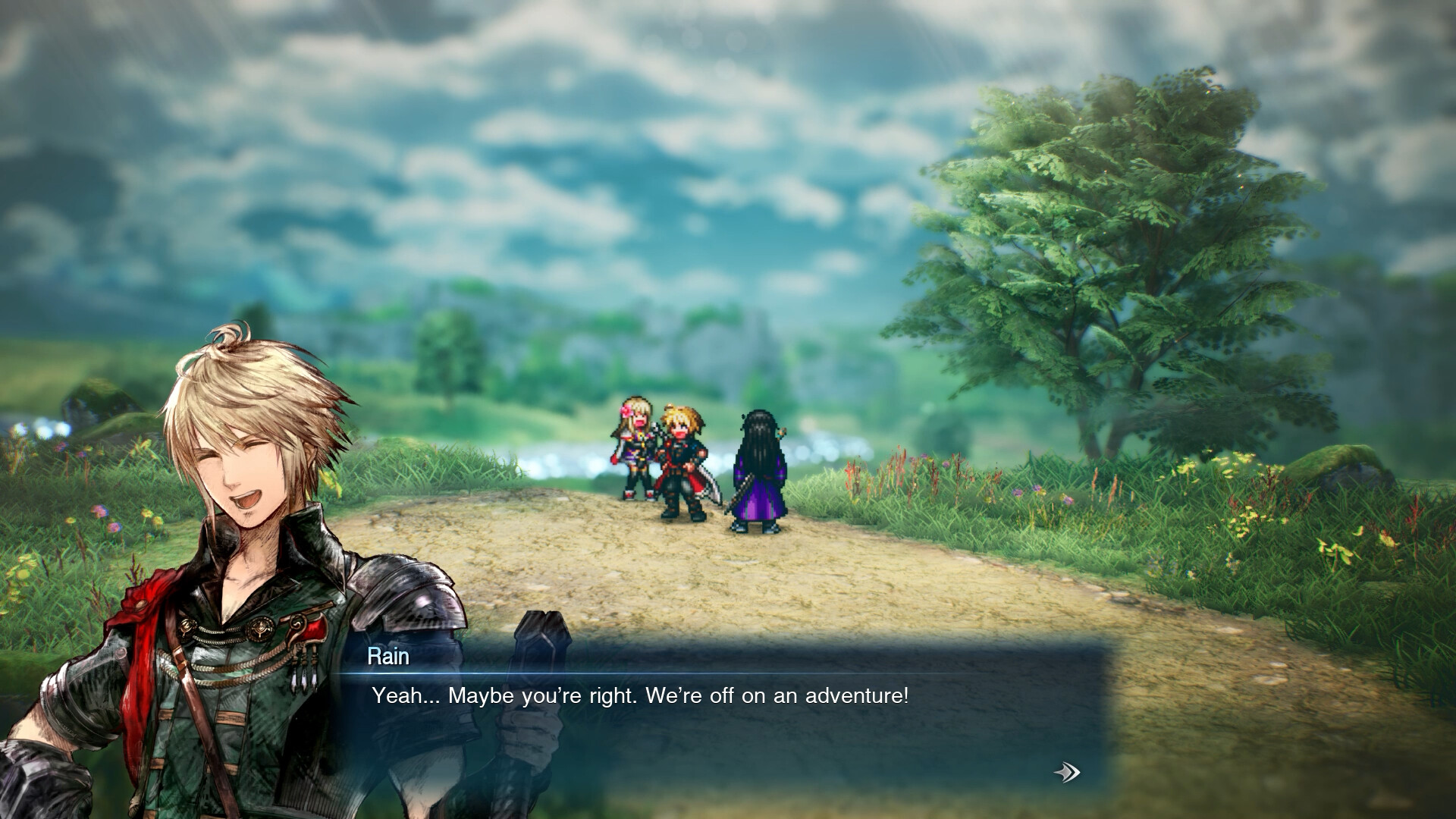
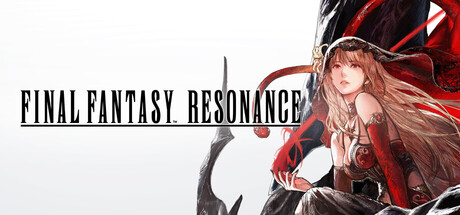
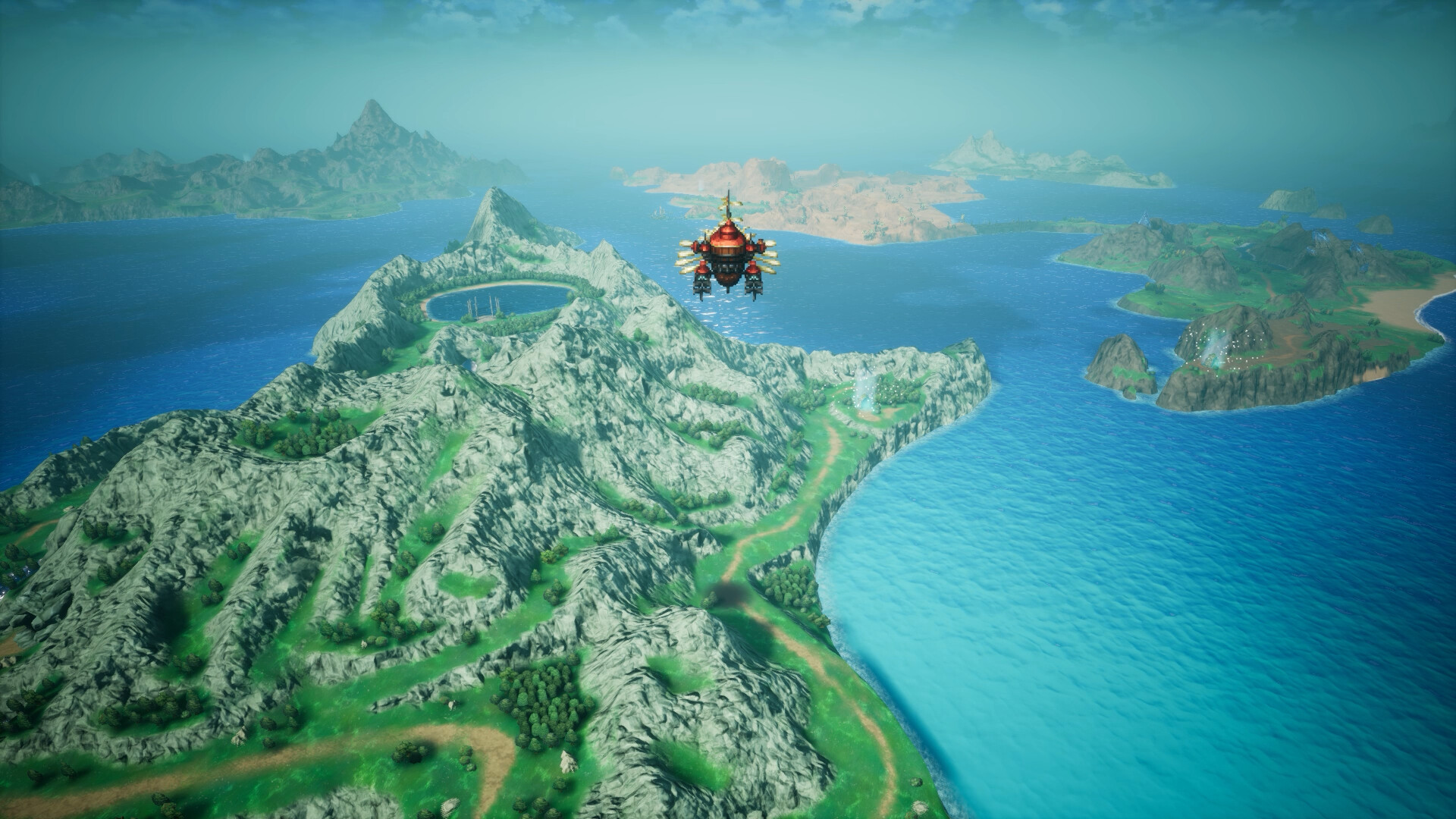
Final Fantasy Resonance is being framed as a game that respects older turn-based play, and that means the return of a structure many modern RPGs have mostly smoothed away. Instead of visible enemies pacing around the field, you get the old rhythm, move a few steps, tense up, then get pulled into battle. That feeling is very Japanese in a nostalgic way, almost like walking through a tight alley in Kyoto at night and expecting the next corner to reveal something important.
What I especially like: this isn’t just about looking retro. It’s about how random encounters change pacing, exploration, and even language around play. Japanese fans often talk about kinchoukan, that nervous tension before something happens, and random encounters are basically a system built on it. Pretty striking stuff.
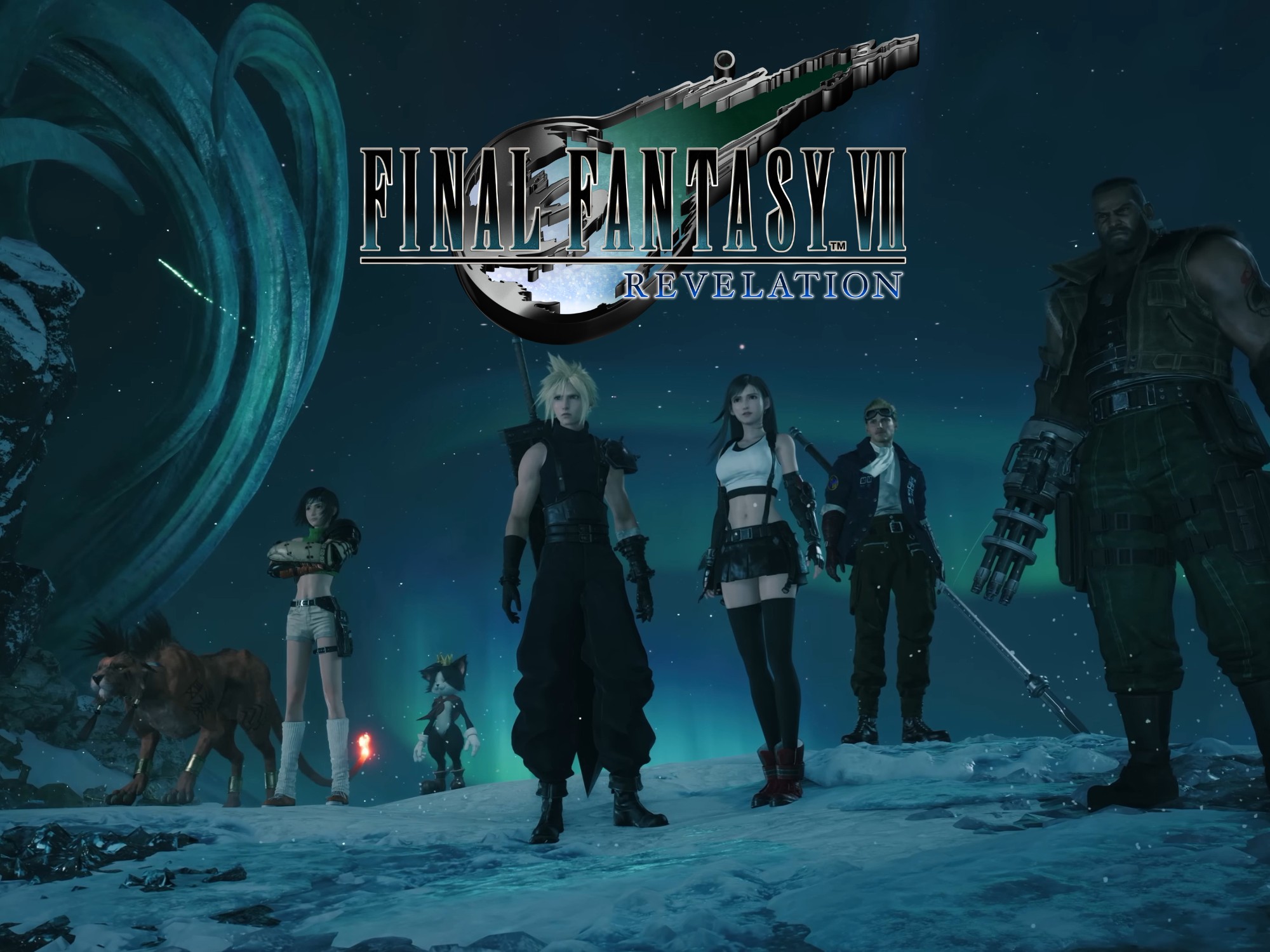
Before I forget: Square Enix has spent years balancing nostalgia against modern convenience. Final Fantasy VII Remake, for example, shifted toward more active combat, while Octopath Traveler from 2018 leaned hard into turn-based structure and classic presentation. Final Fantasy Resonance seems to sit closer to that older philosophy, and that makes it stand out in a market full of action-heavy RPGs.
Pro tip: if you’re learning Japanese through games, this kind of project is gold. You’ll see words like senkou for initiative, kekka for outcome, and hissatsu for finishing move in battle menus and fan discussions. You’ll also notice how fans describe bosses, difficulty spikes, and party roles with very direct, practical vocabulary. That’s useful stuff, not classroom fluff.
Square Enix and the return of turn-based play
Square Enix has a long, messy, wonderful history with turn-based RPGs. The company’s Final Fantasy series started in 1987 on the Famicom, and for years the series defined how Japanese console RPGs felt, especially in the 16-bit era on Super Famicom. Then the pendulum swung. Action systems became louder, flashier, and more cinematic, especially from the PlayStation 2 era onward.
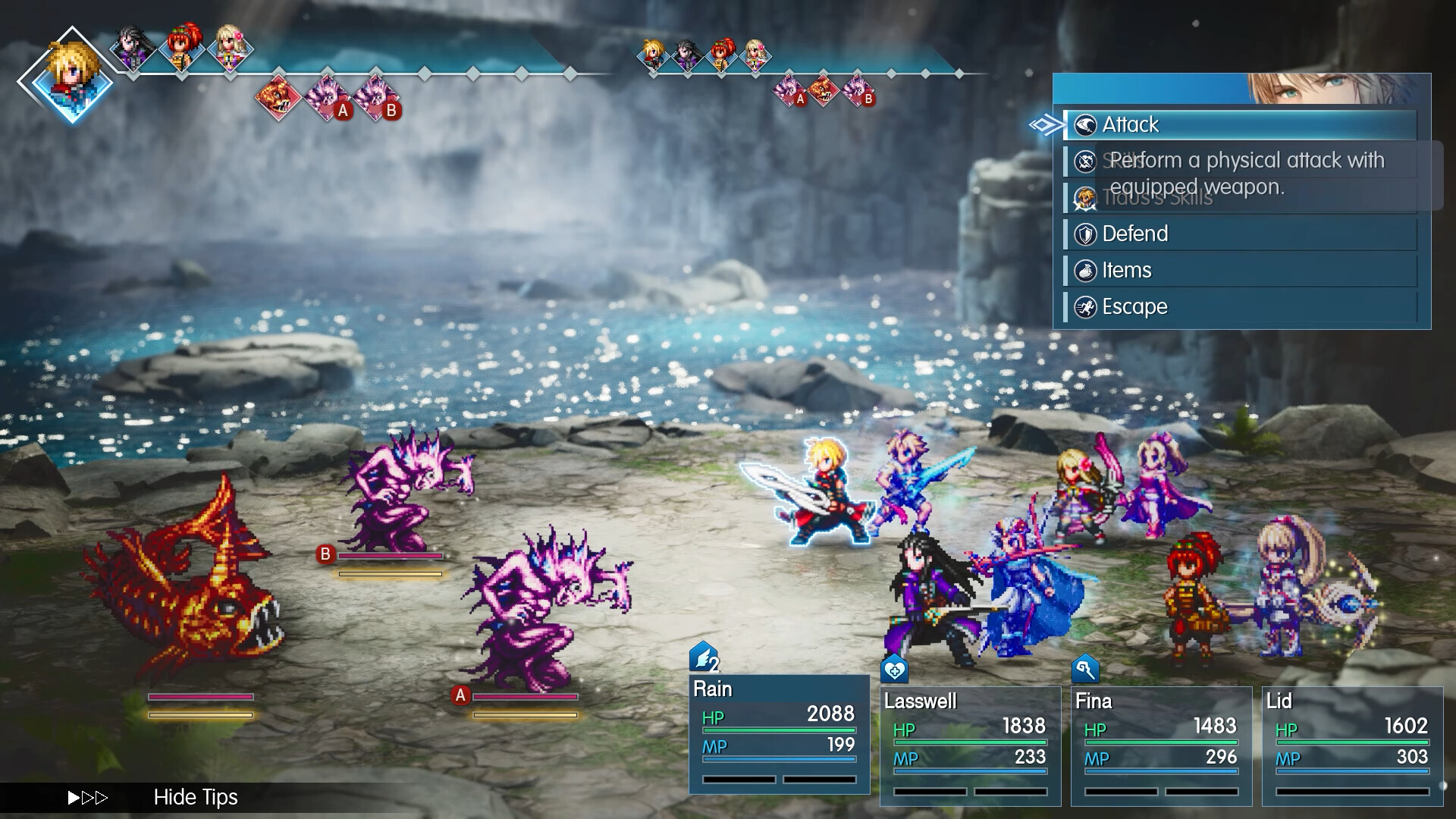
Take Final Fantasy X, for instance. Released in 2001, it used the conditional turn-based battle system, and many fans still remember how clean and strategic it felt. Final Fantasy Resonance appears to be tapping into that same appeal, where every command matters and every fight gives you a chance to think. But let’s stick with the bigger picture for now. Square Enix isn’t simply copying the past; it’s betting that a slower, more deliberate structure still has a real audience.
That matters because turn-based play creates space for planning. You read enemy patterns, manage MP, decide when to heal, and think about party composition. In Japanese, fans might call this
Why random encounters still work in Final Fantasy Resonance
Here’s the thing: random encounters are often treated like a relic, but they can still be a design advantage. When you don’t see every battle coming, exploration gets a different mood. You stop treating the map like a checklist and start treating it like a space with pressure.
In older Final Fantasy games, random battles also helped preserve the mystery of dungeons. You might enter a cave with a vague idea of your goal, but the journey itself became part of the challenge. That structure can make even small locations feel important, because the game isn’t just asking, “Where do you want to go?” It’s asking, “Are you ready for what waits on the next step?”
Imagine a narrow alley in Tokyo. You know where it starts, you know where it ends, but the atmosphere changes with every turn. That’s the kind of emotional effect random encounters can create in a JRPG. They don’t just fill time, they shape mood. And if Final Fantasy Resonance really commits to that model, it could restore a sense of adventure that many newer RPGs have traded for convenience.
Take Persona, for instance. Atlus usually makes enemies visible, so the player can choose when to engage. That system has its own strengths, especially for pacing and accessibility. But random encounters create uncertainty, and uncertainty is part of old-school charm. Insider tip: that charm is one reason classic Dragon Quest games still have such loyal followings in Japan. Fans don’t just remember the battles, they remember the feeling of walking into them.
My tip: don’t think of random encounters as “less modern.” Think of them as a different contract with the player. You accept surprise in exchange for atmosphere, challenge, and a stronger sense of danger. Sounds good, right?

Brutal bosses, battle rhythm, and the Japanese JRPG mindset
Oh, almost forgot: random encounters usually mean the bosses have to work harder. If the regular fights are part of the game’s breathing rhythm, then bosses become the sharp inhale. That’s where Final Fantasy Resonance can really shine, especially if the game leans into the “brutal bosses” angle some previews have hinted at.
Japanese RPGs have always loved escalation. Small enemies teach systems, midgame dungeons test endurance, and bosses punish sloppy habits. This is one reason players in Japan often appreciate games that feel strict but fair. When a boss wins, it should feel like your own mistake, not random cruelty. That balance is delicate, and Square Enix knows it. The company has built entire generations of design around making defeat feel like a lesson.
A great example: Final Fantasy IV, originally released in 1991, was already pushing harder story beats and more dramatic battles than many players expected. That same spirit could fit Final Fantasy Resonance very well. If the game combines old-school traversal with tough boss design, it might appeal to both veterans and younger fans who are curious about why classic JRPGs mattered in the first place.
From my experience, the best JRPG boss fights are the ones that force you to respect your own habits. Did you save enough items? Did you build your party well? Did you understand the enemy’s element? That’s where learning Japanese through games gets extra interesting, because battle menus, stat screens, and fan discussions all repeat practical vocabulary in a memorable way. Arigato, Square Enix, for making grammar feel less painful.
So yes, Final Fantasy Resonance sounds like a nostalgic move, but it’s not a shallow one. It’s a design choice with history behind it, from the Famicom era to modern conversation about accessibility, pacing, and player agency. If Square Enix lands the execution, this could be one of those JRPGs people talk about for years. Personally...
In pictures

Frequently Asked Questions
What is Final Fantasy Resonance focusing on?
It is aiming for classic turn-based play with random encounters, which gives it an old-school JRPG feel.
Why do random encounters still matter?
They add tension, shape exploration, and create a stronger sense of atmosphere than fully visible enemies.
Why should Japanese learners care?
JRPGs are rich in battle vocabulary, fan language, and cultural references that make Japanese practice more memorable.