
This matters most for day-trippers and first-time Japan visitors, because a normal scenic route can turn into a long delay very quickly. The good news is that you can still make smart choices if you know where the pressure points are.



Know that feeling when a Japan trip looks perfect on paper, then a typhoon shifts the whole mood? That’s exactly the situation around Typhoon Jangmi, especially if your plans include Mount Fuji, Hakone, or the Izu Peninsula. The weather system has been causing flight and train disruption, and in this part of Japan, that can affect everything from ropeways to coastal roads.
For travellers, this isn't the time for guesswork. Check live updates from JR lines, Odakyu, Tokyu, and local bus operators before you head out, and don’t assume a route that worked yesterday will work this morning. And that's not all.
Typhoon Jangmi and why this route gets tricky fast
Did you know that the Fuji-Hakone-Izu area is one of the most weather-sensitive leisure regions near Tokyo? It mixes mountain roads, lake transport, cable cars, and coastal highways, which means one storm can create several different problems at once. Winds can shut down ropeways, heavy rain can trigger landslides, and rough seas can cancel ferries or make sightseeing boats stop running.
The reason is simple: these are not city-centre trains with a dozen backup options. If a bus is delayed in Hakone, you may miss your ryokan check-in. If a mountain access road near Fuji closes, your whole day can collapse. On the flip side, Tokyo itself may still feel relatively manageable, which can lull people into thinking the storm is less serious than it actually is for these specific destinations.
Take Mount Fuji, for instance. Even when the mountain isn't directly in the storm’s core, the surrounding access points can be hit hard. Visibility drops quickly, parking gets messy, and local services often respond early to keep people safe. From my experience, that's the moment to treat official notices as the plan, not the suggestion.
Mount Fuji: what to check before you go
If your trip includes the Fuji Five Lakes area, the 5th Station, or a guided climbing plan, make your first move a transport check, not a sightseeing check. Roads around the northern foothills can be affected by rain, and operators may suspend buses to reduce risk. Even in clear weather, mountain conditions can change within an hour, so Typhoon Jangmi makes the margin even thinner.
Practical points for Fuji visitors
Look for official notices from the local bus company, your accommodation, and the weather service. If you’re staying at a ryokan near Kawaguchiko, ask about late arrivals and dinner service right away, because some places serve 懐石 (kaiseki, traditional multi-course meal) at fixed times. My tip: keep a backup station in mind, such as Otsuki or Mishima, in case your original route is delayed.
Also, remember that Mount Fuji isn't just a postcard view. The area has steep slopes, limited roadside space, and long bus intervals in normal conditions. That means one cancelled connection can leave you stranded longer than you expect. This is my absolute hidden gem! What I especially like about Japan travel is how orderly the backup systems can be, but only if you use them early. Wait, there's more.
Hakone: hot springs are great, but connections can break
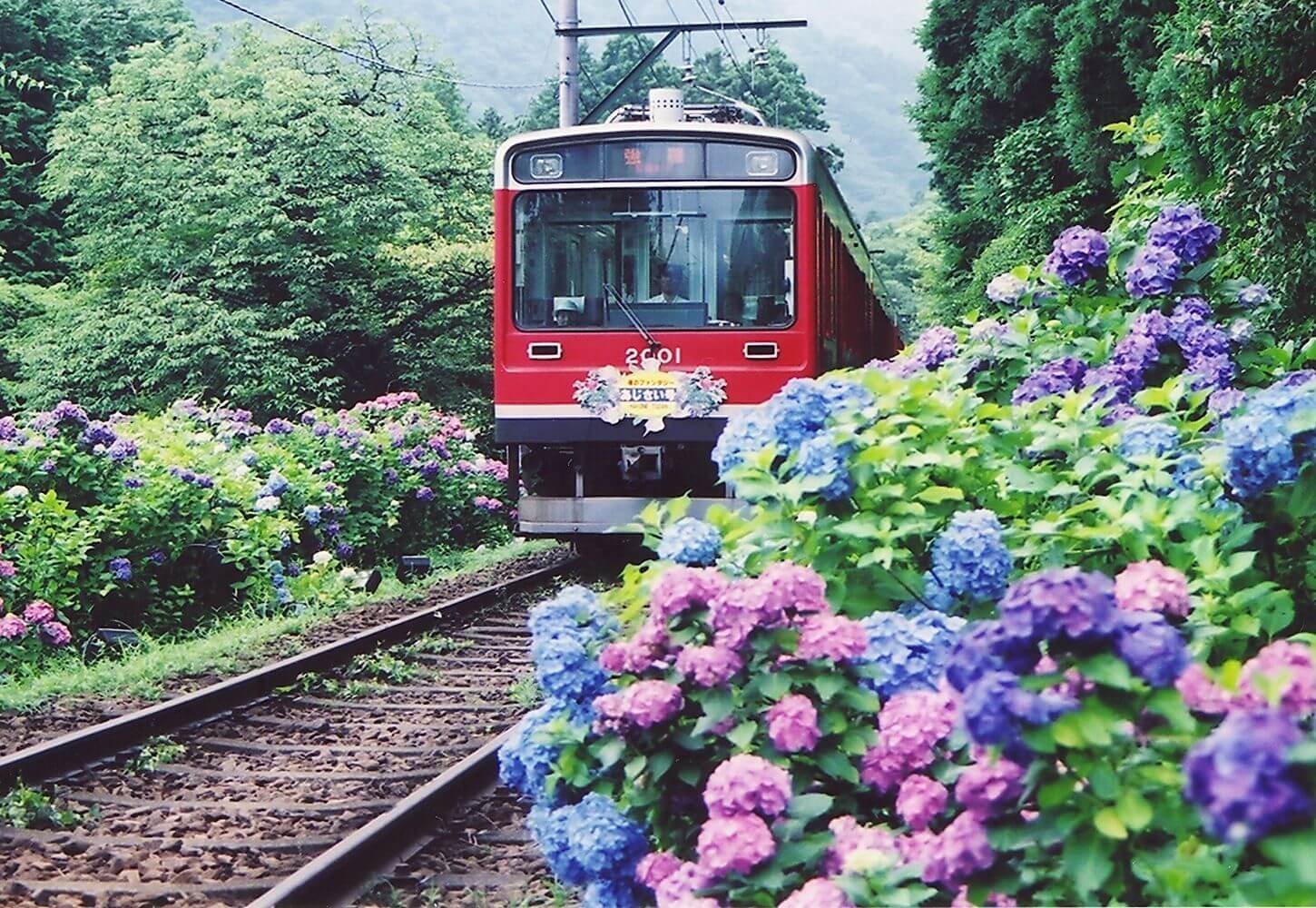
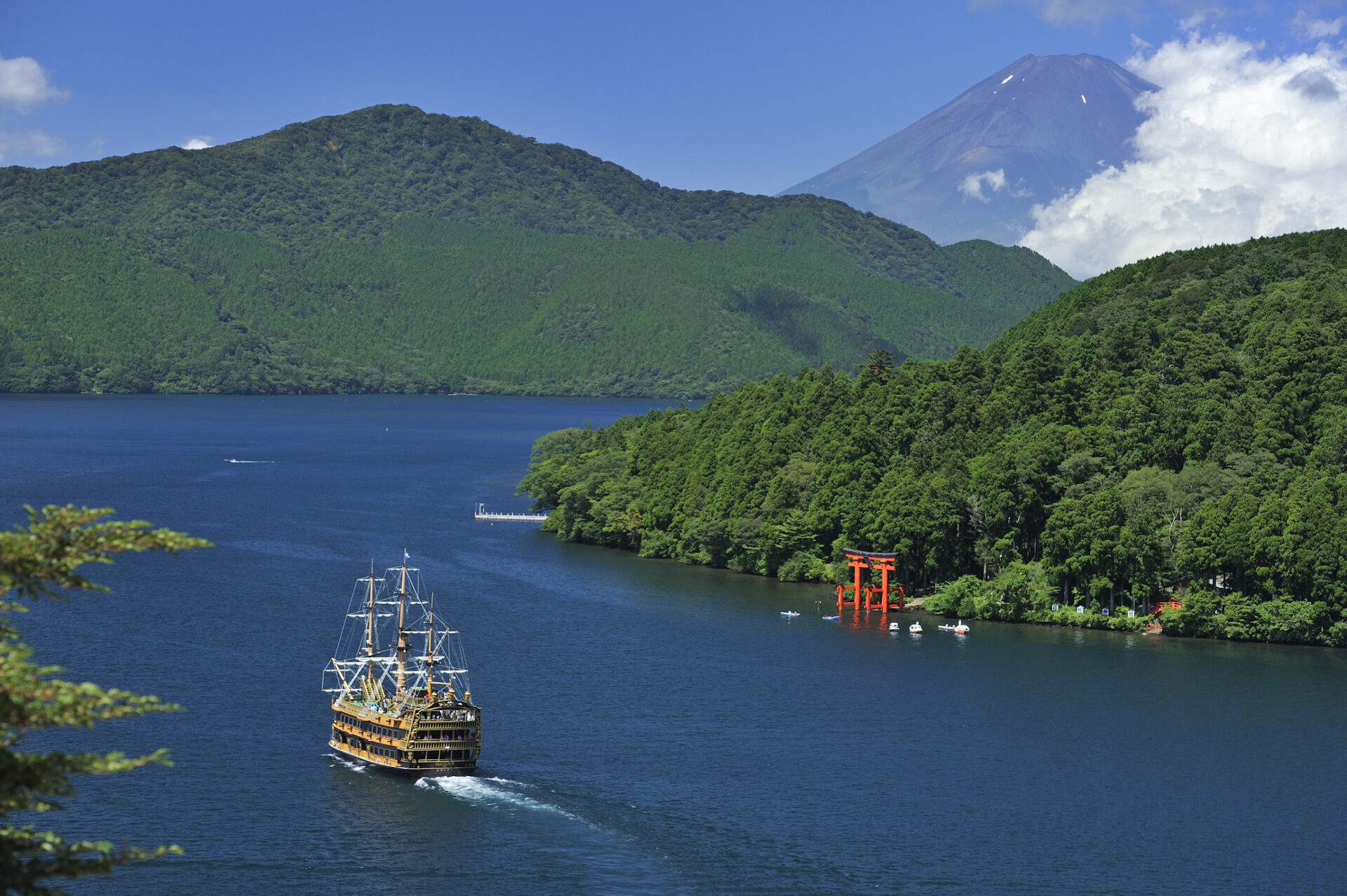
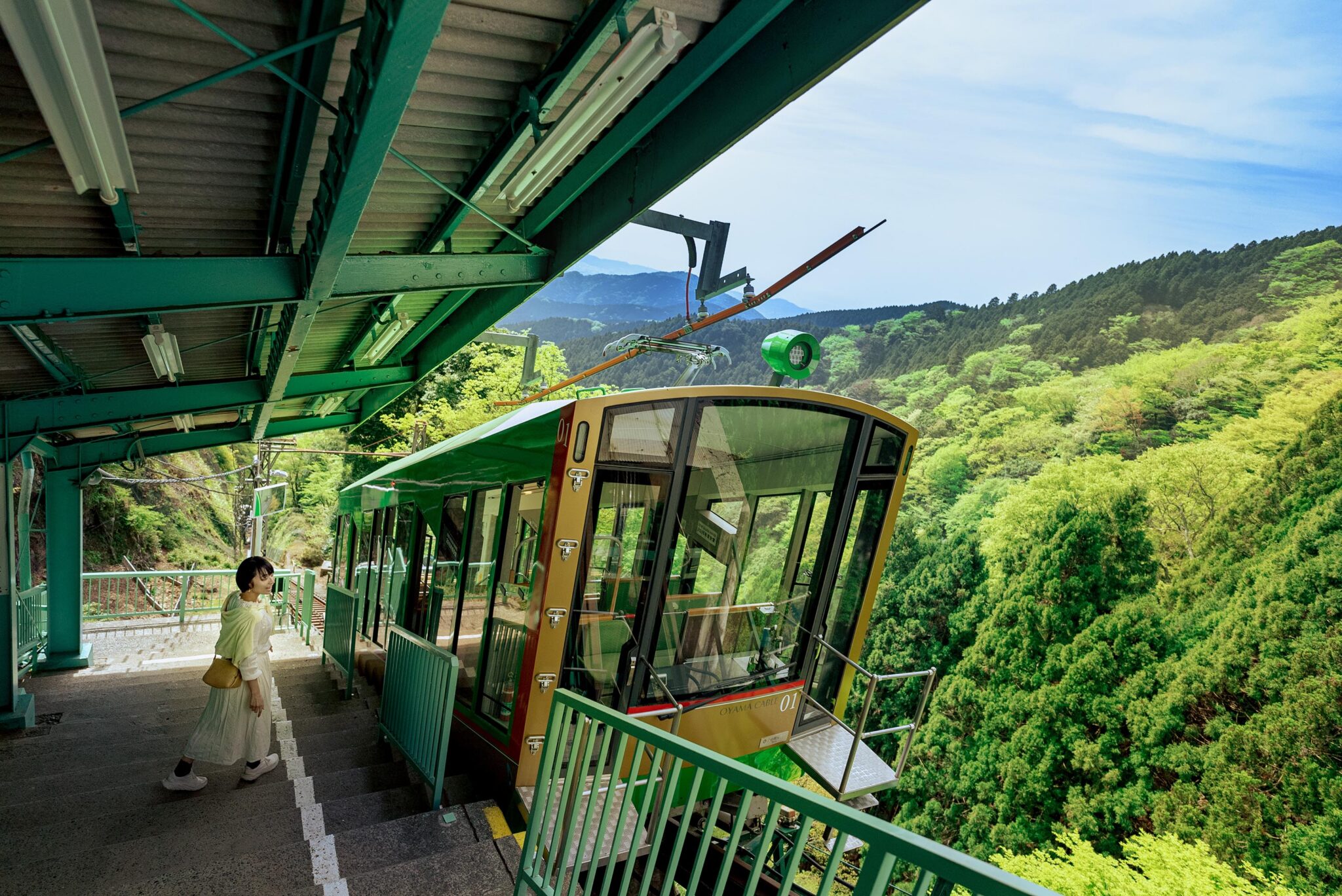
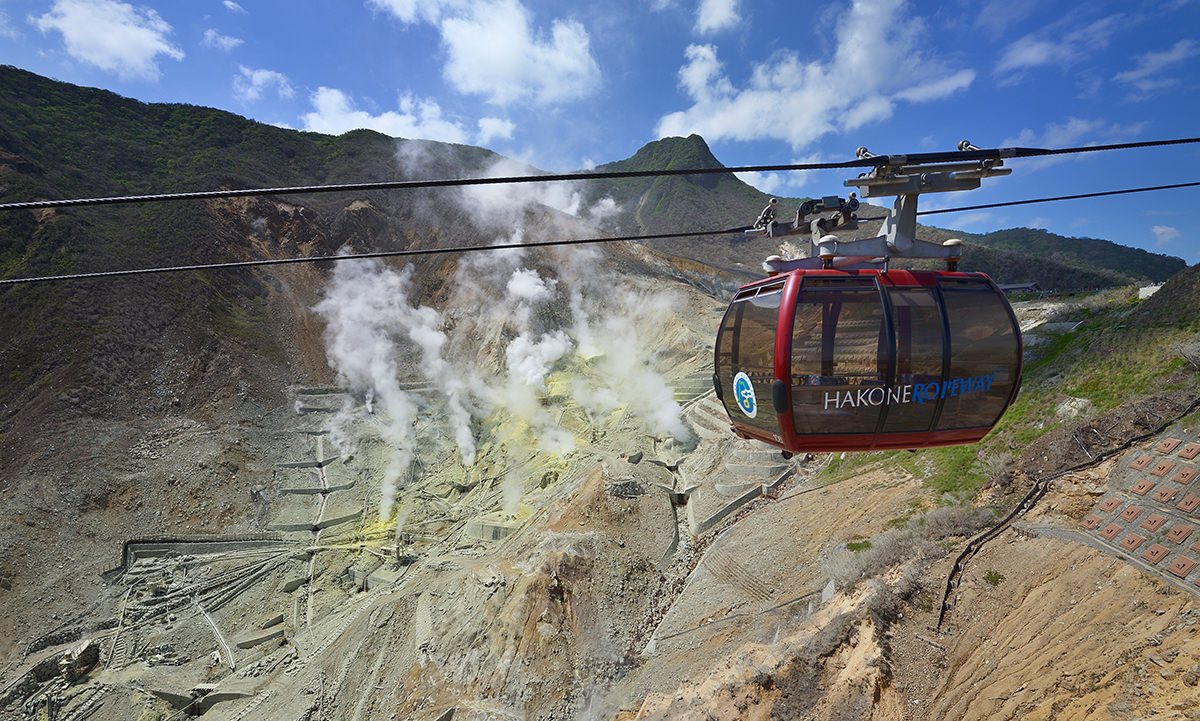
Are you heading to Hakone for onsen, lake views, and the famous loop route? Then Typhoon Jangmi deserves close attention, because Hakone depends on connected transport more than many visitors realise. The Odakyu Romancecar, Hakone Tozan Railway, ropeway sections, cable cars, buses, and the pirate-style Lake Ashi boats all fit together like a chain. If one link breaks, the whole loop gets slower.
That brings us to one simple rule: don’t build a packed Hakone day during bad weather. Leave extra time, skip one attraction if you need to, and don’t force the classic “see everything” route. A slow day in an onsen town is still a good day, especially if your ryokan has a bath and meals included. And that's not all.




Travellers with Japanese language study in mind can use this as real-life practice. Look for words like 為 (tame, for the sake of; because of), 休止 (kyuushi, suspension; pause), and uragiri in service notices, and notice how carefully operators phrase suspension alerts. If you can read even a little hiragana, you’ll spot the difference between temporary delay and full cancellation much faster. The same goes for hotel messages, which often use simple, direct Japanese.
Izu Peninsula: coastal beauty, but the storm risk is real
Imagine a narrow road along the sea, with cliffs on one side and rough water on the other. That’s part of the appeal of the Izu Peninsula, and it’s also why Typhoon Jangmi makes the area more delicate than it looks on a map. Coastal train lines, resort access roads, and seaside paths can all become unreliable when wind and rain pick up.
On the practical side, Izu is where you should be most careful with day trips from Tokyo. If the weather turns, return transport can become crowded fast, and smaller stations or local buses may not run as expected. On the flip side, if you’re already staying in a town like Atami, Shimoda, or Ito, it may be smarter to stay put, enjoy the onsen, and avoid unnecessary movement.
I still remember exactly how easy it is to underestimate this region because it feels peaceful in normal weather. Then one storm arrives, and the sea, the hills, and the roads all seem to react together. Pro tip: keep snacks, cash, a phone battery pack, and a flexible reservation policy in your bag. That small bit of prep can save a lot of stress.
What to do now if your Japan trip is already booked
Start with your transport company, then your accommodation, then the weather forecast. Check the latest updates from JR East, Odakyu, and local operators serving Hakone and Izu. If you’re flying into Tokyo, keep an eye on airport notices too, because a delay at arrival can ripple through the whole itinerary.
If your plans are flexible, move Mount Fuji and Hakone to a later date and use a Tokyo-based day instead. If you’re already in the area, stay indoors during the worst period, and only travel when the route is clearly open. Japanese hotels are usually very good at giving precise guidance, so ask directly rather than guessing. From my experience, polite persistence gets better answers than silent worry.
And if you speak a little Japanese, this is a great moment to use it. Say 大丈夫ですか (daijoubu desu ka, Are you okay?; Is it safe?) when asking about safety, or 動きますか (ugokimasu ka, Will it move?; Is it running?) when checking whether transport is running. Small phrases like that make communication easier, and they help you sound more prepared than panicked. Wait, there's more.
My overall advice is simple: treat Typhoon Jangmi as a route-planning problem, not just a weather story. Mount Fuji, Hakone, and the Izu Peninsula are all wonderful, but they reward travellers who stay flexible. If you do that, you’ll protect your trip and still enjoy a lot of Japan, even with stormy skies overhead.
For more current Japan travel and news updates, visit more Japan news on jpnerd.com.
In pictures
Frequently Asked Questions
Is it safe to travel to Mount Fuji during Typhoon Jangmi?
It depends on the exact location and official transport status, but mountain access can change quickly. Check local notices before leaving.
Can I still visit Hakone if the typhoon is affecting the area?
Yes, if services are running and you keep your plans flexible. Avoid tight schedules and be ready to skip parts of the loop.
Should I cancel an Izu Peninsula day trip?
If roads, trains, or ferries are disrupted, postponing is often the smartest option. Coastal areas can become difficult to reach or leave during stormy weather.


