
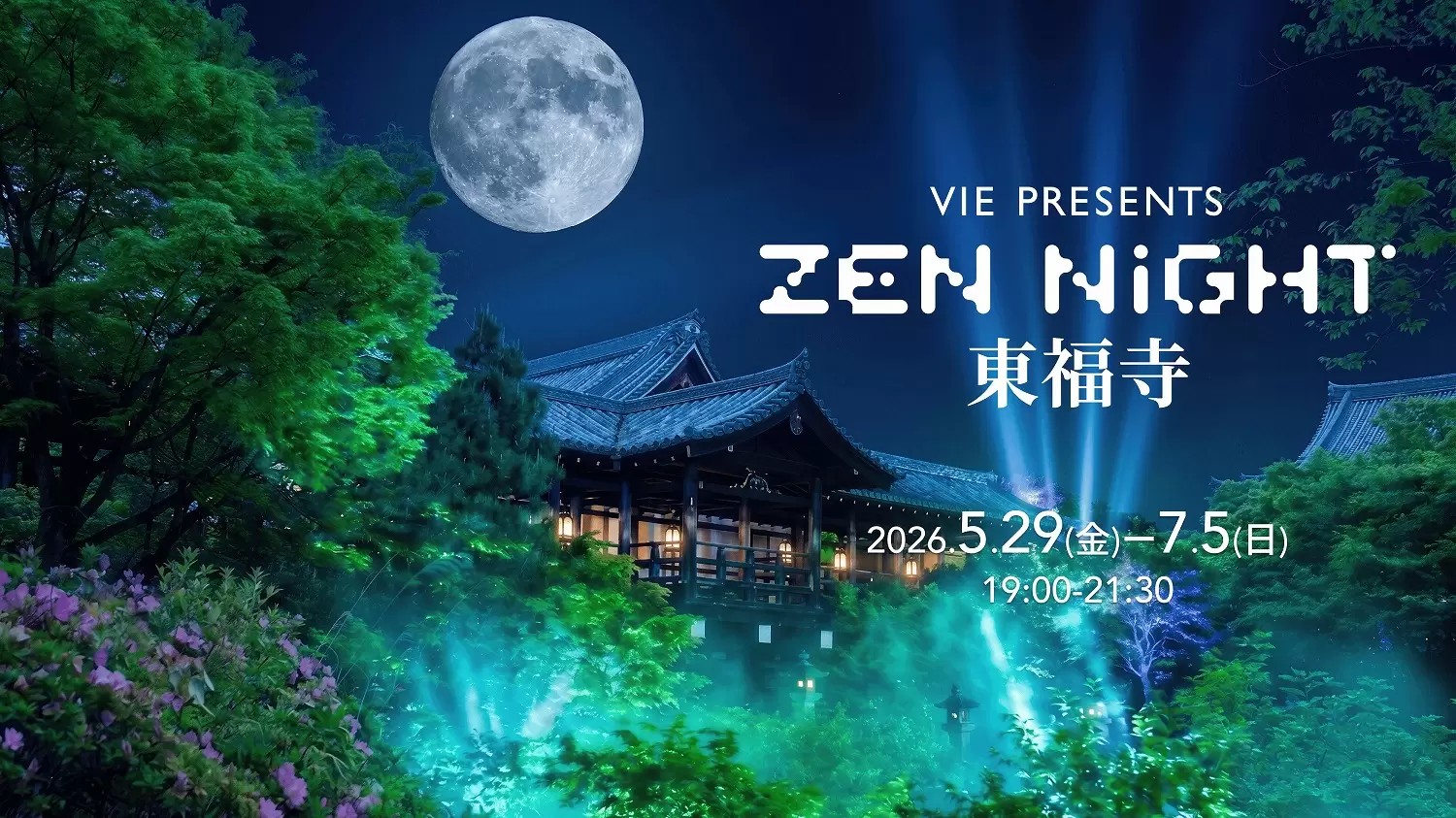
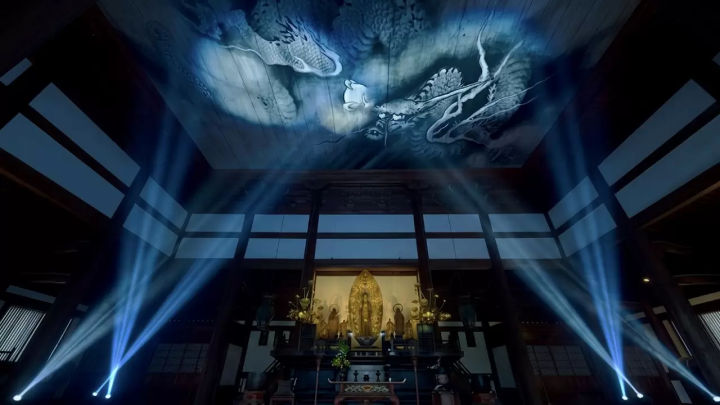
It’s not just a temple visit, and it’s not just an art event. It’s a carefully shaped cultural format, where space, silence, and sound work together in a way that suits Kyoto perfectly.
What most people don't know: Tofukuji Temple isn’t only famous for autumn leaves, it’s also one of Kyoto’s strongest places for quiet reflection. 禅 (Zen, Zen; meditation) NIGHT at Tofukuji takes that old temple atmosphere and turns it into a sound-led experience that feels both modern and deeply rooted in Zen culture. If you like Japan events that are more than photo stops, this one’s worth a closer look.
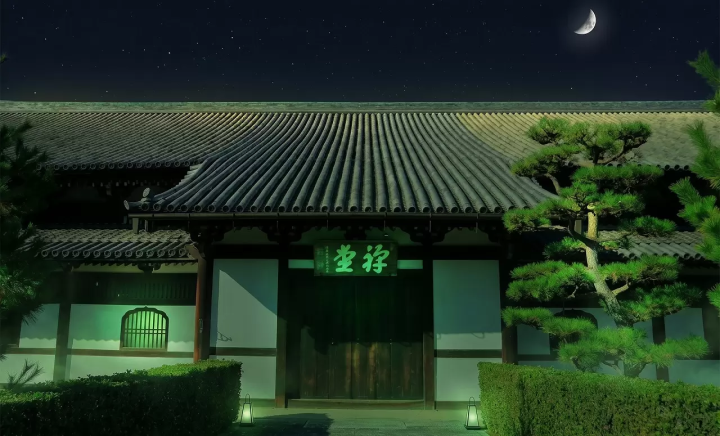
The format matters here. Kyoto has plenty of beautiful temples, but not every temple can carry an evening programme that mixes Sound Art, meditation, and architectural presence without feeling forced. Tofukuji can. The broad grounds, the historic halls, and the sense of distance from the city’s louder streets give the whole event a calm, almost cinematic rhythm. Convinced yet?
Tofukuji Temple in Kyoto: why the setting works so well
No joke: Tofukuji Temple, founded in 1236 and completed in 1255, is one of Kyoto’s great Zen temples, part of the Rinzai school. It’s especially known for its massive 山門 (Sanmon) gate, one of the oldest Zen temple gates in Japan, and for gardens designed to be read slowly, not rushed through. That already tells you a lot about why ZEN NIGHT feels natural here.
Seriously though: the temple’s physical scale changes the way you listen. Stone paths, wooden corridors, clipped garden lines, and open dark space all shape the sound before you even notice the programme itself. At night, that becomes even more intense, because Kyoto’s evening quiet makes small audio details stand out. Hand on heart: that’s the kind of setting where a single bell, drone, or voice can feel surprisingly large.
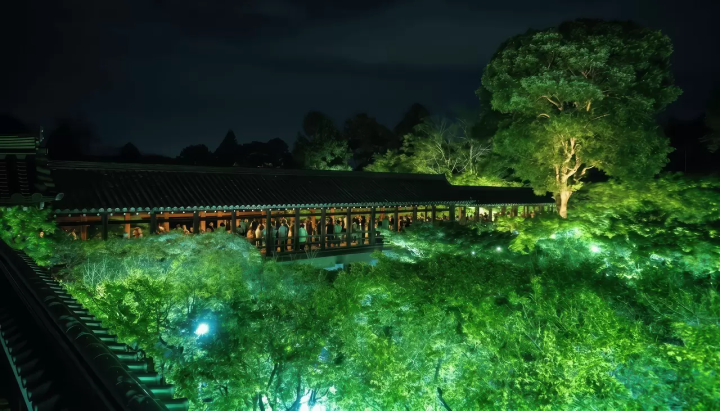
A Kyoto temple that already understands silence
What many overlook: Zen temples are not silent because nothing is happening. They’re silent because every sound is given room. Tofukuji is a strong example of this, and that’s why a sound art event there doesn’t feel like an add-on. It feels like an extension of the place.
For Japanese language learners, this is also a nice real-life reminder that words like 静か (shizuka, quiet) and 静寂 (seijaku, stillness; serene quiet) aren’t interchangeable in spirit. Shizuka is quiet, but seijaku has that deeper, stiller quality that fits temple evenings much better. My tip: if you ever visit a place like Tofukuji, listen first, speak later. Sounds simple, but it changes the whole experience. My verdict:
Sound Art and Zen Experience: what ZEN NIGHT is trying to create
Fun fact: Sound Art in Japan often works best when it doesn’t try to dominate a space. That’s the right instinct for ZEN NIGHT at Tofukuji. The idea isn’t to turn the temple into a concert hall, it’s to let sound move through the architecture, the gardens, and the bodies of the visitors.
The best part: this kind of event can make meditation feel less abstract. If you’re a Japan fan who’s curious about Zen but not ready to sit through a strict formal session, a sound-based evening is a good bridge. You’re still engaging with stillness, breathing, and attention, but in a format that feels approachable. For learners, the vocabulary around it is also handy, especially zen, 音楽 (ongaku, music), 響き (hibiki, resonance; echo), and 心 (kokoro, heart; mind). Those words come up a lot in cultural writing, and here they feel very real.
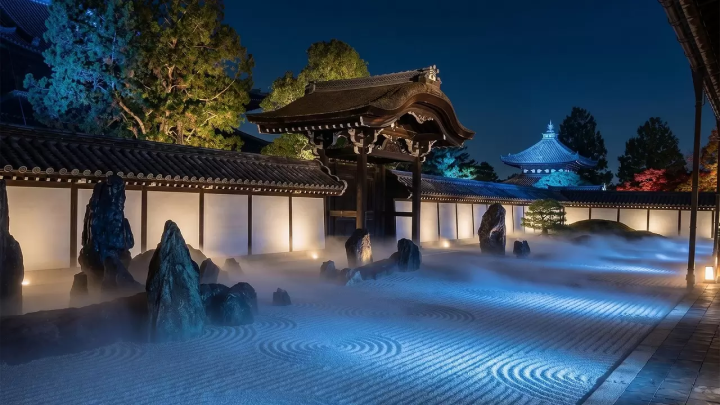
Know that feeling when a place makes you lower your voice without anyone asking? That’s the energy ZEN NIGHT seems to aim for. Kyoto has plenty of events that package tradition for visitors, but this one feels more site-specific than that. The temple isn’t a backdrop. It’s the instrument. Sounds good, right?
Why Kyoto and Tofukuji are a strong match for night culture
On a related note: Kyoto works so well for night events because the city already has a built-in relationship with ritual, seasonality, and controlled beauty. Tofukuji is especially strong in this context because it sits at the meeting point of fame and restraint. People know the name, many know the autumn leaves, but fewer have experienced the temple after dark, when its lines become softer and its presence feels almost abstract.
That makes ZEN NIGHT more than a one-off event. It’s a case study in how Kyoto can present heritage without freezing it in the past. The sound art element gives the temple a new entry point, while the meditation side keeps it grounded in the temple’s identity. Highly recommended: if you’re planning a Kyoto trip and want something calmer than the usual night illumination crowd, keep an eye on programmes like this.
Pro tip: combine it with a slower day in eastern or southern Kyoto, then head to Tofukuji in the evening. Don’t cram too much into the schedule. The point is to let the event breathe. If you arrive already tired and rushed, you’ll miss the effect. Classic Japan, isn't it?
What Japan learners can take away from the experience
For language learners, events like ZEN NIGHT are a reminder that Japanese isn’t just for textbooks or flashcards. You’ll hear cultural terms in context, and that’s where they stick. A phrase like kikan can feel dry on a page, but when you’re in a temple setting, words connected to season, atmosphere, and sound suddenly make sense in a way that vocab lists can’t match.
If you’re studying Japanese, try describing the event in simple romaji after you read about it, maybe yoru no tera, shizuka na oto, or zen no taiken. That’s a small exercise, but it helps connect language to place. The first time I went to Japan, I learned quickly that the best vocabulary often comes from real scenes, not classroom examples. Convinced yet?
ZEN NIGHT at Tofukuji is exactly the kind of cultural format Japan does so well, specific, atmospheric, and rooted in location. It doesn’t try to be everything at once. Instead, it lets Kyoto, sound, and Zen meet in a temple that already knows how to hold silence. If you enjoy temple culture, experimental art, or just evenings that feel slower and more intentional, this one’s worth tracking. My tip: put it on your Kyoto watchlist, especially if you like events that reward patient listening.
Frequently Asked Questions
What is ZEN NIGHT at Tofukuji?
It is a night event at Tofukuji Temple in Kyoto that combines sound art, meditation, and a temple setting.
Why is Tofukuji a good location for this event?
Its Zen atmosphere, historic architecture, and quiet grounds make it a strong fit for a reflective evening programme.
Is this a good event for Japan language learners?
Yes. It offers a natural way to connect cultural vocabulary with a real setting and experience.


