
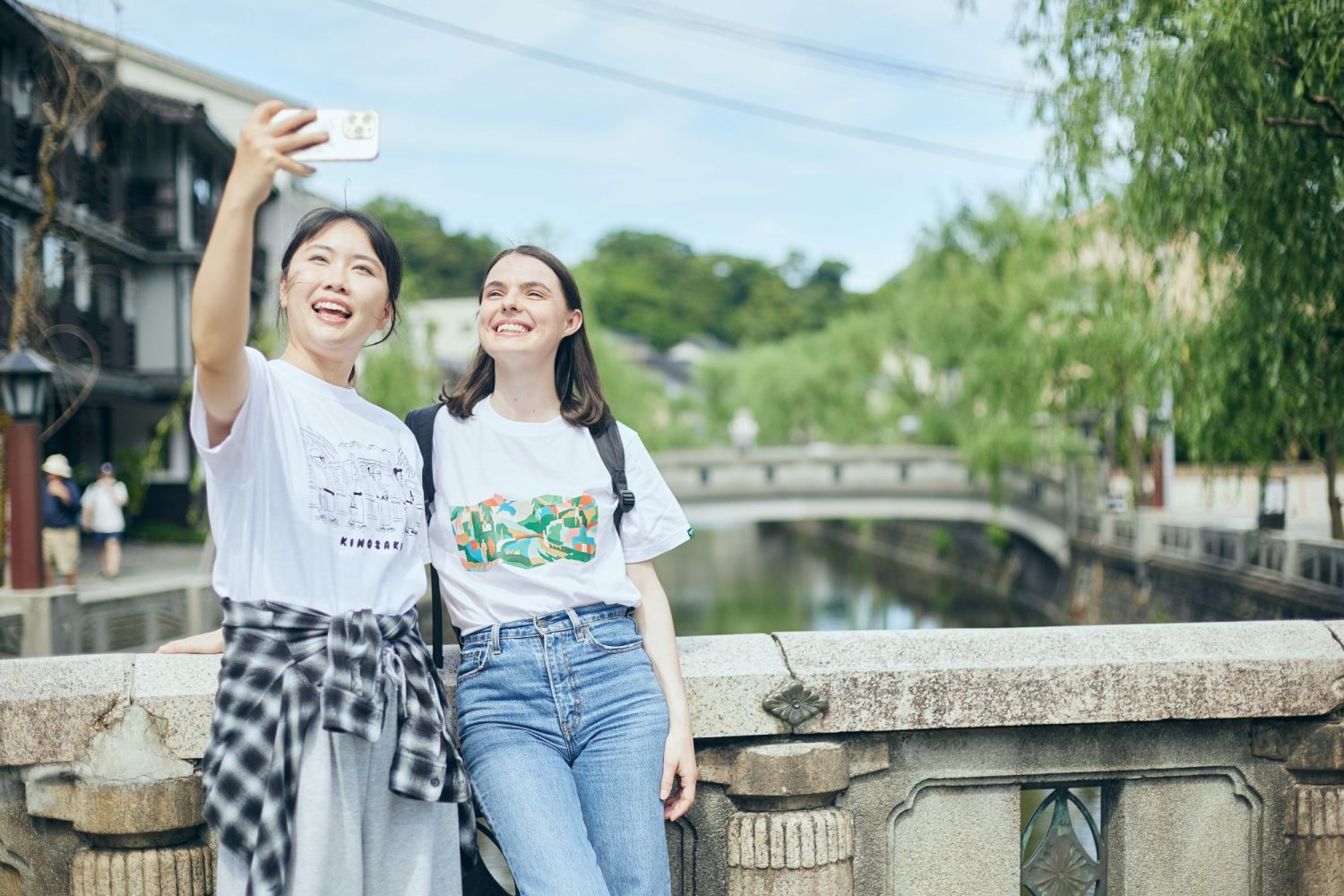
For Japan fans, that matters. It’s branding with a sense of place, and for Japanese learners, it’s also a neat way to notice how place names, shop names, and travel words keep popping up in real-life Japan.
What makes a T-shirt or cap feel special in Japan? Often, it’s not the fabric alone, it’s the story stitched into it. The new clothing tied to Kinosaki Story and Kannabe Roots does exactly that, with designs and sales points rooted in real locations, real tourism flow, and a very Japanese sense of local pride.
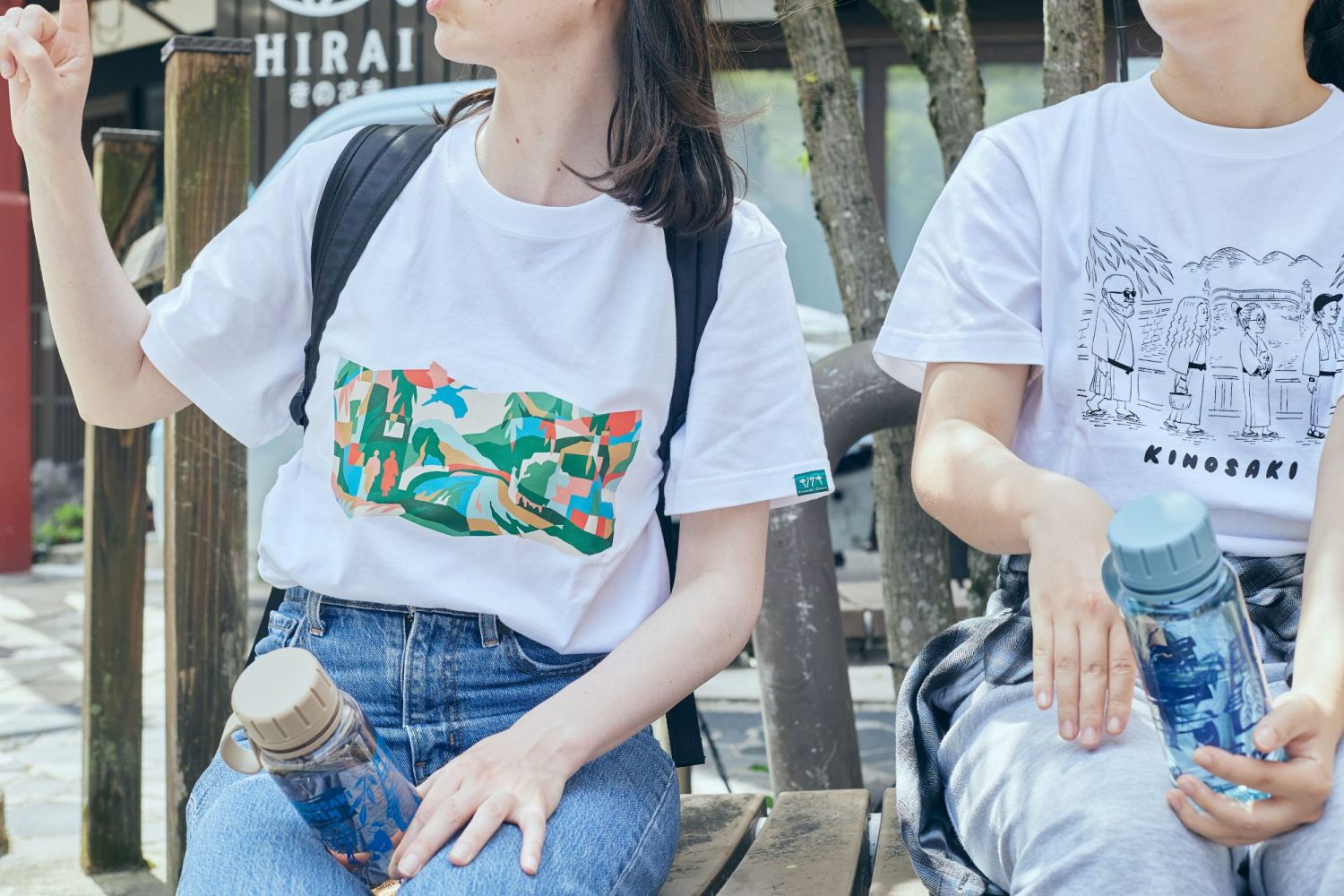
Trust me on this one: if you’ve ever wanted souvenir wear that doesn’t scream generic gift shop, this is worth a look. The project connects visitors to Kinosaki Onsen and Kannabe, two areas in northern Hyogo Prefecture, and it does so through places you can actually visit, not just through a web store logo. No wonder, local branding works best when you can stand in the place itself and feel the atmosphere.
Kinosaki Onsen Heritage Museum and the new clothing story
Let me show you why the Kinosaki Onsen Heritage Museum matters here. Kinosaki Onsen is famous for its seven public bathhouses, ryokan stays, and canal-side walks, but the heritage museum adds a quieter layer, a place where the town’s history can be read, not just soaked in. The new clothing line uses that sense of heritage, so the items feel connected to the town’s identity instead of floating above it as random merchandise.
A great example: when a museum shop or museum-linked item reflects local architecture, hot-spring culture, or old town imagery, the result feels like more than branding. It becomes a wearable memory. The Kinosaki Story line taps into that mood, and I think that’s smart, because Kinosaki is already one of Japan’s easiest towns to associate with atmosphere. You don’t need a huge explanation when the place itself has such a strong image.
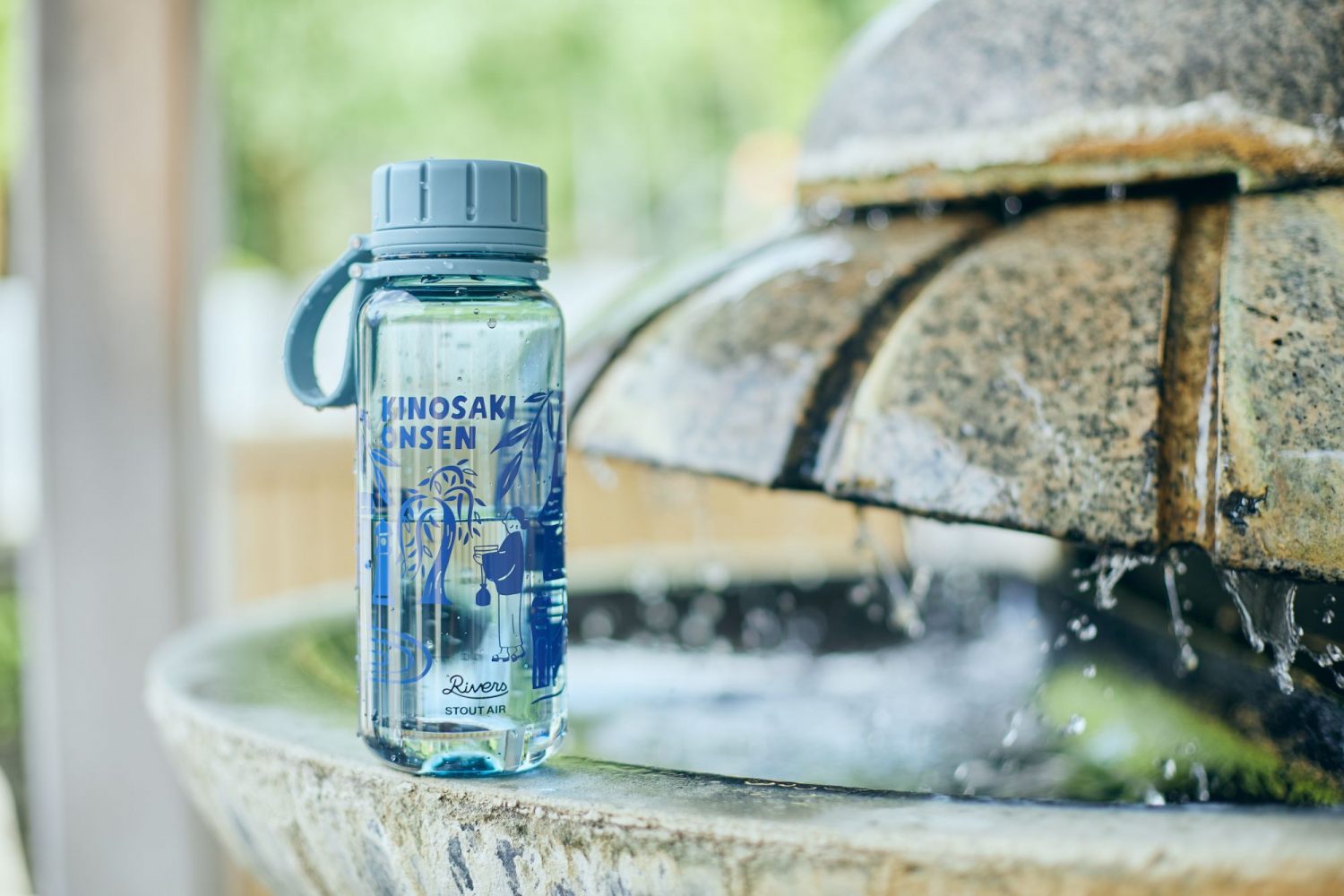
What most people don’t know: souvenir clothing can be a serious part of regional tourism strategy in Japan. A T-shirt with a town’s name, a simple crest, or a phrase tied to a specific site can work like a mini travel poster. For learners, it’s a nice chance to spot practical vocabulary, like onsen, 水 (mizu, water), 町 (machi, town), and ryokan, in a setting that actually matters. Wait, there's more.
Sozoro Tourist Information Center and where the branding gets real
Plot twist: the best place to understand these items might not be a big store at all, but the Sozoro Tourist Information Center. That’s where the local travel experience becomes concrete. You can ask questions, pick up route ideas, and see how Kinosaki Story and Kannabe Roots fit into a broader visitor circuit, especially for travelers moving between hot springs, mountain scenery, and seasonal food stops.
No exaggeration: that physical connection changes the whole feel of the merchandise. A shirt bought in a place like Sozoro isn’t just a shirt, it becomes proof that you were there, saw the town map, maybe asked for directions in a mix of English and ローマ字 (romaji, roman letters), and made the trip your own. My tip: if you like regional Japan souvenirs, always check the tourist information centre first, because that’s where you’ll often find the most place-specific items.
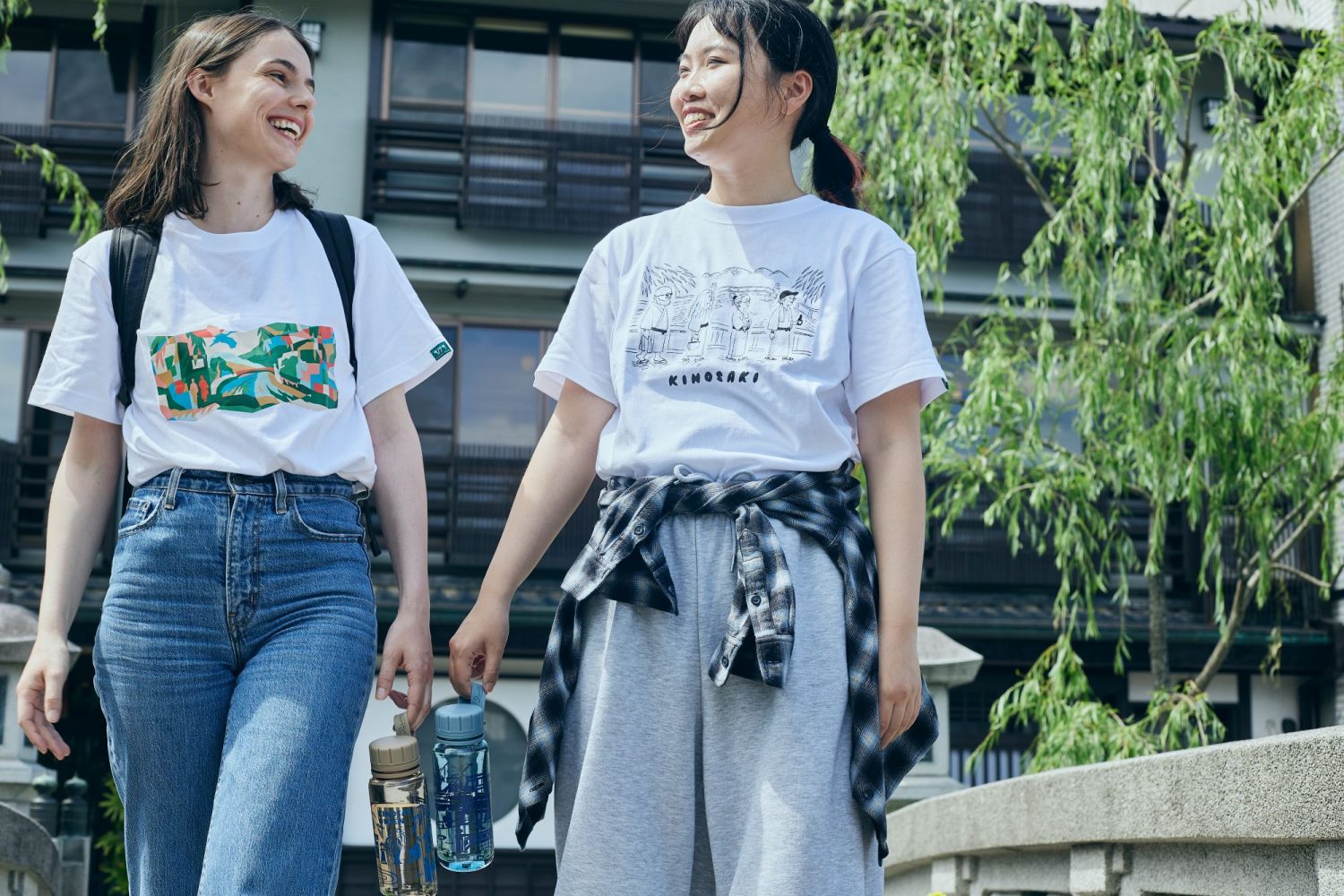



Insider tip: look for the subtle design language. Local-brand clothing in Japan often uses restrained graphics, earthy colours, and names that sound tied to land or story. That’s especially true for tourism branding around areas like Kinosaki and Kannabe, where visitors are usually drawn by scenery, food, and atmosphere rather than flashy shopping. Convinced yet?
Kinosaki Story and Kannabe Roots as wearable regional Japan branding
Why these names work so well
Here’s the deal: Kinosaki Story and Kannabe Roots are strong brand names because they feel place-based, not invented in a vacuum. Kinosaki suggests classic hot-spring travel, while Kannabe brings in mountain terrain and a more outdoorsy tone. Together, they create a regional pairing that tells you something before you’ve even read the tag.
Take Kinosaki Story, for instance. The word story gives the clothing a narrative feel, which is ideal for travel merchandise. You’re not buying a logo, you’re buying a memory framework. Kannabe Roots does the same thing from another angle, leaning into origin, landscape, and local grounding. For Japanese learners, this is a fun reminder that branding in Japan often uses plain English or romaji to create an emotional cue, not just a literal label. Wild, isn't it?
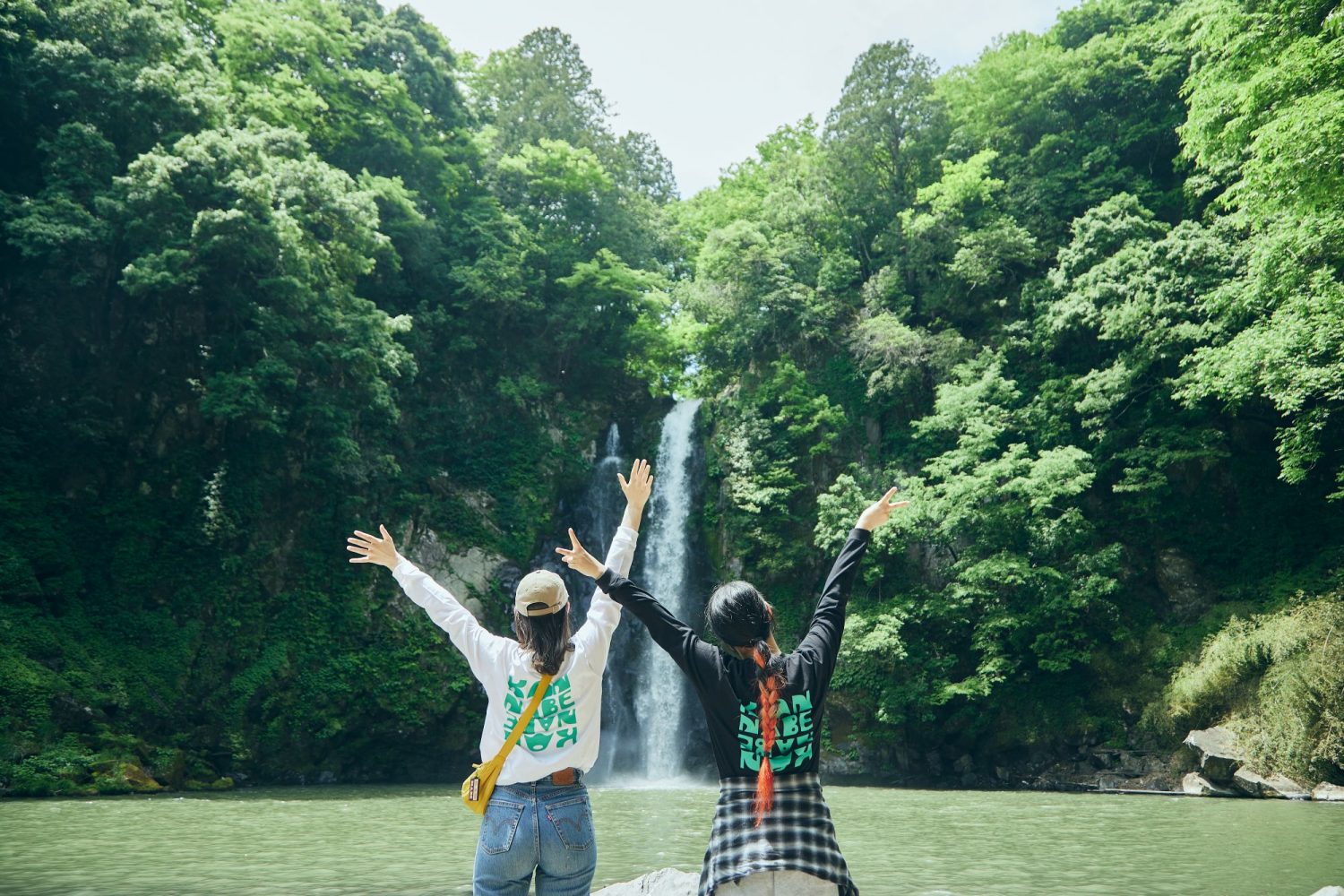
What I especially like is that the concept avoids the fake-luxury trap. It doesn’t try to make Kinosaki or Kannabe look like Tokyo streetwear. It stays regional, and that honesty is part of the appeal. If you’ve ever browsed souvenir corners in a ryokan or looked through a station kiosk, you know the best items are the ones that feel tied to a specific day, a specific walk, a specific bowl of local food. Personally...
How Japanese learners can read the place names
For language learners, this project is useful in a very small but real way. Kinosaki is often written as Kinosaki Onsen in English contexts, while Kannabe may appear with different local references depending on tourism materials. Spotting these names in romaji helps train your eye for how Japanese destinations are presented to visitors. It also gives you a clean example of how place branding travels across languages without losing its local tone.
Fun fact: Japan’s tourism language often mixes English branding with Japanese geography, and that mix is part of the charm. You’ll see a town name, a shop name, maybe a seasonal phrase, and suddenly you’re not just reading a sign, you’re reading a travel mood. This is my absolute hidden gem! If you pay attention to regional clothing projects like this, you start noticing how much story Japanese tourism puts into the smallest items. Wait, there's more.
Kinosaki and Kannabe have enough identity already, so the clothing doesn’t need to overexplain itself. It just needs to point you back to the places. That’s why these releases work, and why they feel more memorable than standard resort merch. Convinced yet?
In pictures
Frequently Asked Questions
Where can visitors find the new Kinosaki and Kannabe clothing?
The items are tied to local tourism spots, including the Kinosaki Onsen Heritage Museum and the Sozoro Tourist Information Center.
Why are these clothing items interesting for Japan fans?
They connect wearable design with real places, so they feel like regional Japan branding instead of generic souvenirs.
Can Japanese learners get anything out of this trend?
Yes, because the branding uses place names, travel vocabulary, and romaji in a very natural, real-world way.


