A Castle Born Twice: Hiroshima's Tenshu and the Shadow of 1945
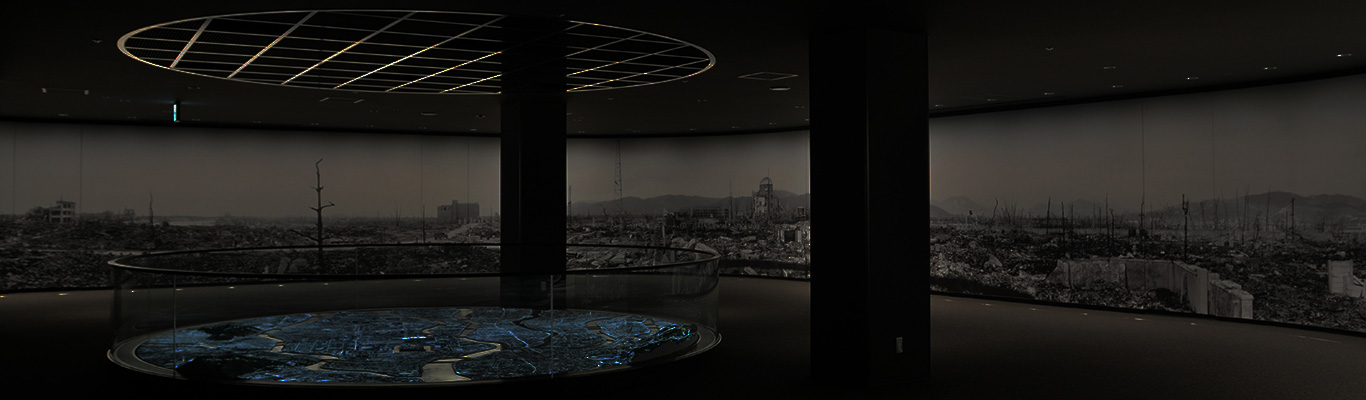
The first time most visitors lay eyes on Hiroshima Castle, they don't realise they're looking at a building that's only existed since 1958. The original tenshu dated back to 1599, built under the orders of feudal lord Mori Terumoto. It survived centuries of war, politics and the rise and fall of the samurai era. Then, on 6 August 1945, the atomic bomb dropped on Hiroshima changed everything. The castle was approximately 740 metres from the hypocentre and was obliterated instantly.
What most people don't know is that the reconstruction in 1958 was a deliberate act of civic pride. The city of Hiroshima chose to rebuild the tenshu in reinforced concrete, staying true to the original's exterior appearance while making it structurally viable as a public museum. For decades, it housed exhibits on the castle's feudal history and the samurai culture of the Chugoku region. Millions of visitors climbed its five stories. Personally, I think that decision to rebuild rather than leave the ruins as a monument says everything about Hiroshima's character as a city.
In Japanese, the main tower of a castle is called tenshu or tenshukaku. The kanji write it as 天守閣, meaning literally something like "heavenly keep." For Japanese learners, it's a great word to know when visiting any of Japan's castle towns, from Himeji to Matsumoto.
Why the Tenshu Is Closing Now
Here's the kicker: the closure isn't permanent due to neglect. The concrete structure built in 1958 has reached the end of its natural lifespan and doesn't meet modern earthquake resistance standards. Japan's building codes, especially post-2011, take seismic safety seriously. A structure that can't be retrofitted adequately simply can't stay open to the public.
The city of Hiroshima has been planning this transition for years. The long-term goal is a full reconstruction using traditional wooden architecture methods, replacing the postwar concrete shell with something far closer to what Mori Terumoto's original castle actually looked like in the late Sengoku period. That's a massive undertaking, both technically and financially, and the timeline stretches well into the 2030s.
What Happens to the Castle Grounds?
Good news for anyone with a trip already planned! The closure applies specifically to the tenshu building itself. The surrounding castle grounds, the moat, the stone walls, the Ninomaru garden area, and the surrounding parkland in Naka-ku remain open. You can still walk the grounds, photograph the tower from outside, and get a real sense of the castle's scale and position within the city.
Sounds good, right? It's honestly still worth visiting. The approach along the moat, especially in cherry blossom season, is genuinely one of the better castle experiences in western Japan. And watching the tenshu from the outside, knowing its history, hits differently now that it's closed.
Hiroshima Castle and the Broader Story of Postwar Japan
Ever wondered why so many of Japan's famous castles look almost too perfect? Hiroshima isn't the only one rebuilt in concrete after the war. Osaka Castle's main tower was reconstructed in 1931, Nagoya Castle's tenshu was rebuilt in 1959 after Allied bombing, and Wakayama Castle followed a similar path. Postwar Japan made a conscious choice to restore its cultural landmarks, even if the materials weren't always traditional.



That choice has always been complicated. Purists argue these concrete reconstructions aren't truly authentic. On the flip side, without them, entire generations of Japanese people and international visitors would have grown up with no physical connection to that heritage at all. The 1958 Hiroshima tenshu served its purpose. It kept the memory alive during the city's most difficult decades of rebuilding.
Seriously though, there's something moving about a city that survived an atomic bomb and then chose, just thirteen years later, to rebuild its castle. That's not just urban planning; that's a statement about identity.
Japanese Vocabulary Worth Knowing Here
If you're studying Japanese and want to talk about this topic, a few words come up constantly. Shiro (城) means castle. Saiken (再建) means reconstruction or rebuilding. Genbaku (原爆) refers to the atomic bomb, a word you'll encounter constantly in Hiroshima. And heiwa (平和), meaning peace, is practically the city's defining word. My tip is that if you're ever in Hiroshima, the Peace Memorial Museum is just a short walk from the castle grounds. Reading the exhibits in both Japanese and English is genuinely one of the best vocabulary-building experiences you can have as a learner.
What Comes Next for Hiroshima Castle
The future reconstruction project aims to build a wooden tenshu using traditional carpentry techniques, the kind that haven't been applied to a major castle in Japan for well over a century. Hiroshima City has been studying Edo-period documents, illustrations and architectural records to get the design as historically accurate as possible. Guess what? Craftsmen who specialise in traditional Japanese joinery, known as miyadaiku, are already involved in early planning stages.
Oh, almost forgot! There's an ongoing public debate in Hiroshima about whether a wooden reconstruction should be built on the exact original foundation, which sits within a designated historic preservation zone. That's still being worked out between the city, the national government and preservation bodies. Nothing about this project is simple.
That's why the closure on 22 March feels significant beyond just logistics. It marks the moment Hiroshima begins the next stage of deciding what kind of monument it wants for its future, not just its past. Convinced yet? This is one story worth following over the next decade.
Frequently Asked Questions
Why did Hiroshima Castle's tenshu close on 22 March?
The 1958 concrete tenshu no longer meets Japan's earthquake resistance standards and has reached the end of its structural lifespan. The city closed it as part of a long-term plan to reconstruct the tower using traditional wooden architecture.
Can you still visit Hiroshima Castle after the closure?
Yes! Only the tenshu building itself is closed. The castle grounds, moat, stone walls and surrounding park in Naka-ku remain open to visitors.
When will the new Hiroshima Castle tenshu be completed?
No firm completion date has been announced. The reconstruction project involves significant planning, funding and historic preservation decisions, with a realistic timeline extending into the 2030s.