Here’s the catch: if you want to understand why this season matters, you need both the anime schedule and a bit of Japanese fan culture. The title itself, Bleach: 千年血戦篇 (Sennen Kessen-hen, Thousand-Year Blood War arc), keeps showing up in Japanese news, forum posts, and streaming discussions, so let’s explore what’s known, what’s likely, and why learners should care.



Bleach TYBW season 3: what the Japanese title tells us
Bleach TYBW season 3 is usually discussed in Japan as Bleach: Sennen Kessen-hen, and the current subtitle for the later part of the arc is Kashin Tan. If you’re a Japanese learner, that subtitle’s worth a look, because anime arc titles often use kanji that sound dramatic and old-school at the same time. It’s the kind of language you’ll see in manga chapter names, event slogans, and fan comments on X and YouTube.

Fun fact: the Thousand-Year Blood War anime isn’t a random revival, it’s the long-awaited adaptation of Tite Kubo’s final manga arc, originally serialized in Shonen Jump and later collected by Shueisha. The anime is produced by Studio Pierrot, the same studio behind the earlier Bleach TV run, and that continuity matters because fans immediately compare pacing, art style, and fight choreography to the old series. Sounds odd, but it's true.
Compared to back home, where many fans just ask “when is the next season?”, Japanese viewers often care just as much about broadcast slots, Blu-ray notes, and whether a subtitle hints at the next story beat. That’s why a name like Kashin Tan gets attention on its own, even before a single trailer drops. Personally, I think that kind of title hype is half the fun, because it keeps the fandom active between episodes. See what I mean?
When will Bleach TYBW season 3 come out?
Trust me on this one: the safest answer is that season 3, or the next part of the TYBW anime, should be tracked through official Japanese announcements first, then global platform updates second. The franchise has been rolling out in clearly separated parts, with each cour getting its own marketing cycle, key visual, and opening/ending theme push. That means release timing’s rarely guessed in a vacuum.

The earlier TYBW anime parts aired with a carefully planned schedule, and the production team has treated the return like a prestige project rather than a weekly evergreen show. That’s important, because anime of this scale usually needs room for animation polishing, soundtrack work, and voice recording. Hand on heart: that delay can be frustrating, but it often leads to a better final product.
My tip: watch the Japanese official site, the TV Tokyo anime page, and the official Bleach anime website first. When a new cour gets a date, Japanese outlets usually echo it fast, and then English-language anime sites follow. If you’re searching in romaji, terms like 放送 (housou, broadcast) (broadcast), 決定 (kettei, confirmed / decision) (confirmed), and 最新情報 (saishin jouhou, latest information) (latest info) will help you find the right posts faster. Personally...
Why the Japanese market reacts faster than the German SERP
To be fair, the German search results around Bleach TYBW season 3 can feel thin for a while, especially when Japanese sources are already active. That gap happens because Japanese search pages pick up official announcements, recap posts, fan reactions, and publisher updates much earlier. In practical terms, the Japanese SERP can fill up with relevant pages while German-language coverage is still waiting for a confirmed date.

That creates a clear opportunity for evergreen content. If you publish now, you can cover the basics before the next wave of announcements, then update the piece later with episode numbers, broadcast dates, and streaming details. This works especially well for fandom-driven topics, because readers return when the first trailer, key visual, or staff interview lands. And it gets better: anime fans are loyal when a series is this big.
Unlike what we're used to with short-lived trend posts, Bleach has real staying power. It spans manga history, TV anime history, and a huge international fan base, which means search demand doesn’t vanish after one news cycle. For Japanese learners, that also means repeated exposure to recurring vocabulary like 最終章 (saishuu shou, final chapter) (final chapter), 新作 (shinsaku, new work) (new work), and 更新 (koushin, update) (update). Wild, isn't it?
What to expect from the next TYBW episodes
Story focus, action, and pacing
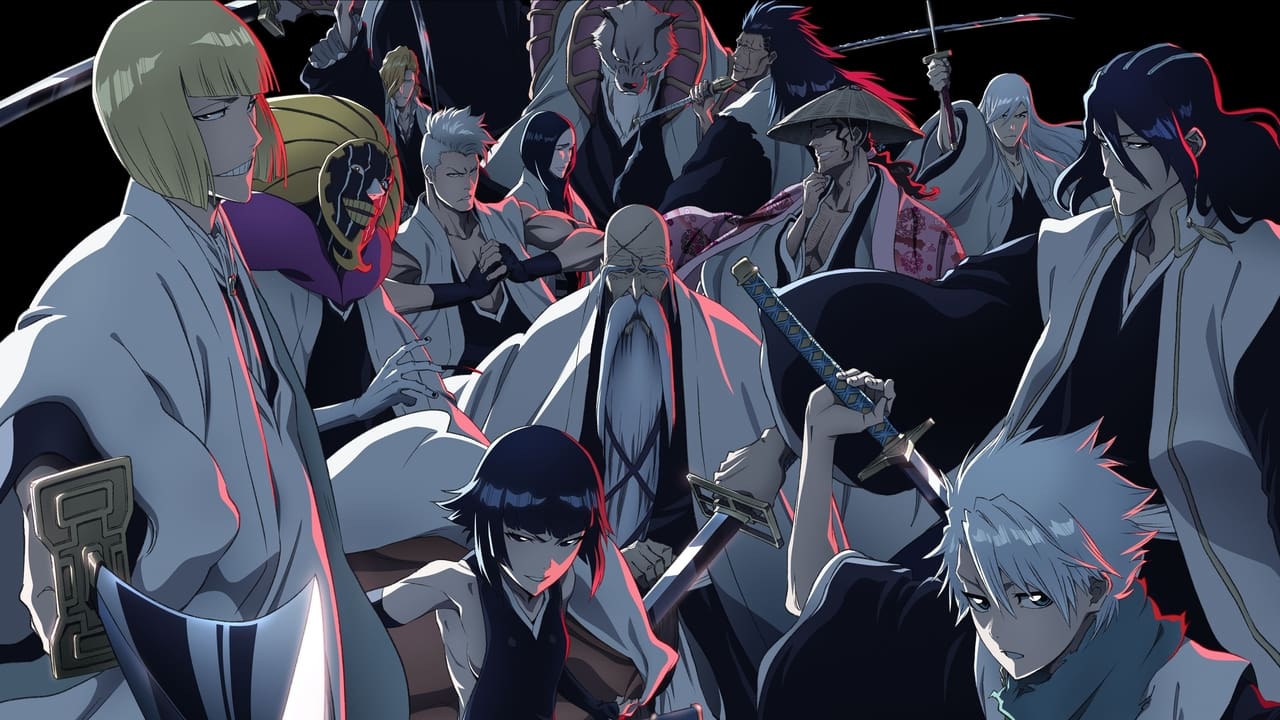
Bleach TYBW season 3 will likely keep pushing deeper into the final battles, where the balance of power shifts fast and the stakes keep climbing. If you’ve read the manga, you already know the adaptation has to handle a lot: big reveals, high-speed fights, and character moments that fans have waited years to see animated. Highly recommended: rewatch the earlier TYBW episodes before the next drop, because the details matter here.

One thing I especially like is how the anime gives older characters fresh weight. In long-running series, that’s not easy. A character who once felt like comic relief can suddenly become central again, and the studio has to make that emotional turn feel earned. That’s where music, voice acting, and staging do real work, not just flashy sword swings.
Japanese learning angle: how to read anime news better
If you like studying Japanese through anime, this is a nice case study. Official anime pages often use phrases like henshuu (editing), koushiki (official), and hakkou (release), and those words appear again and again in news about Bleach. Once you know them, the structure of Japanese entertainment news stops looking random.
Imagine a narrow alley in Tokyo. You spot a poster for the anime, then a QR code, then a sign for a nearby screening event. That same layered style shows up online, too, with teaser posts, staff comments, and streaming info all stacked together. For learners, that’s great practice, because you’re not memorising isolated words, you’re reading the actual media environment. Convinced yet?
In pictures
Frequently Asked Questions
When is Bleach TYBW season 3 coming out?
The exact date should be checked on the official anime website and broadcaster pages, since the release schedule is announced there first.
Is season 3 the final part of the anime?
It is part of the final Thousand-Year Blood War adaptation, but the exact split into seasons or cours depends on the official rollout.
Why do Japanese fans talk about the subtitle so much?
Because subtitle names often hint at tone, story focus, and the style of the next arc, so fans treat them like clues.