
Hakone Yunessun: Where Onsen Culture Gets Creative
Hakone is already famous across Japan for its hot springs, volcano views, and ryokan culture. The area sits on the edge of the Fuji-Hakone-Izu National Park, and the word onsen (温泉, romanized as onsen) is practically synonymous with the region. Millions of visitors come here every year specifically to soak, relax, and experience traditional Japanese bathing rituals.



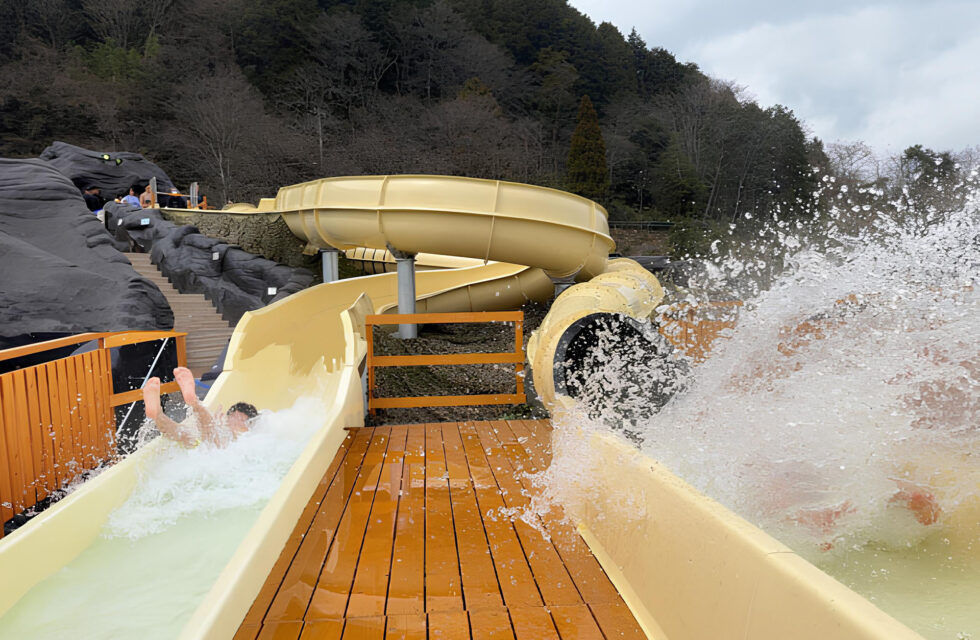
But Hakone Kowakien Yunessun Resort, which opened its water park and themed spa complex in 1982 and expanded its wild theme bath concept in the early 2000s, decided that plain hot water wasn't enough. The resort sits in the Kowakidani area of Hakone and operates as two connected zones: a family-friendly water park section and a more traditional nude bathing area called Mori no Yu. It's the water park side where things get genuinely strange.
You know that feeling when you read about something and think it can't possibly be real? That was my exact reaction the first time I heard about the wine bath. Sounds weird, but it's true.
The Hot Tub of Wine: What's Actually Going On Here
The signature attraction is exactly what it sounds like. A large communal pool filled with warm, red-wine-infused water, complete with a giant wine barrel prop pouring more liquid in from above, staff dressed as sommeliers, and actual wine available to drink while you soak. The water is heated to a comfortable onsen temperature, around 38 to 40 degrees Celsius, and the wine content is real, not just colouring or fragrance.
Why Wine, of All Things?
The reason is simple: red wine polyphenols have long been associated with skin benefits and anti-aging properties in Japanese beauty culture. The concept taps into a broader Japanese wellness trend where bathing isn't just about cleanliness but about health, beauty, and ritual. In Japanese, the phrase for this kind of therapeutic bathing is kusuri-yu (薬湯), meaning medicated or beneficial bath water. Yunessun runs with this idea and takes it to its logical, slightly absurd conclusion.
What most people don't know is that the wine bath isn't the only unusual option at Yunessun. The resort also offers a green tea bath (お茶風呂, ocha-buro), a sake bath, a coffee bath, and a ramen-scented bath that apparently smells like tonkotsu broth. The sake bath, in particular, draws on centuries of Japanese tradition where sake was considered to have purifying and warming properties for the skin.
Swimsuits Required, Chopsticks Not Included
Unlike traditional onsen in Japan, where clothing is strictly forbidden, the Yunessun water park section requires swimsuits. This makes it accessible to families, mixed groups, and visitors who aren't comfortable with nude bathing. It also means you can take photos, which, let's be honest, is half the reason people come.
My tip? If you want the full contrast experience, buy the combined ticket that gives you access to both Yunessun and the traditional Mori no Yu section. You get the Instagram-worthy wine soak and then a proper, quiet nude onsen experience in a more peaceful setting. It's worth every yen.
Getting There and What to Expect
Hakone is easy to reach from Tokyo. The Romancecar limited express from Shinjuku Station on the Odakyu Line gets you to Hakone-Yumoto in about 85 minutes, and it's one of the more scenic train rides in the Kanto region. From Hakone-Yumoto, a local bus or taxi takes you up into the Kowakidani area where Yunessun is located.



Entry prices vary by season and which sections you want to access, but budget roughly 2,500 to 3,500 yen for the Yunessun section alone as of recent pricing, and around 1,500 yen extra for the Mori no Yu traditional bath. The resort is open year-round, but visiting in autumn (秋, aki) when the surrounding Hakone mountains are covered in koyo (紅葉), meaning autumn leaf colour, is genuinely spectacular.
Plot twist: the wine bath draws more international visitors than Japanese ones these days. Domestic tourists tend to head straight for the traditional onsen experiences, while foreign travellers make a beeline for the novelty baths. Either way, the resort stays busy, especially on weekends and during Golden Week.
Hand on heart, I don't think bathing in wine is going to change your skin overnight. But the entire experience, the theatrics, the absurdity, and the fact that you're sitting in a warm pool of Beaujolais somewhere in the Japanese mountains is genuinely joyful. It's the kind of travel memory that doesn't fade.
The Japanese Language Angle: Onsen Vocabulary Worth Knowing
Ever wondered why Japan has such a rich vocabulary around bathing? The country has over 3,000 registered onsen resorts, and the culture around them has developed its own detailed terminology over centuries. Before visiting Yunessun or any onsen in Japan, a few words will go a long way.
The term nyuuyoku (入浴) means bathing or taking a bath, and you'll see it on signs everywhere. Rotenburo (露天風呂) refers to an outdoor hot spring bath, one of the most popular onsen formats. If you see the characters 混浴 (konyoku), that means mixed-gender bathing, which is rare but does exist at some traditional establishments.
For Japanese learners at the beginner or intermediate level, onsen vocabulary is a great entry point into kanji related to water (水, mizu) and nature. The kanji 湯 (yu), meaning hot water, appears constantly in place names and resort names across Japan, including in Yunessun itself and in nearby Hakone-Yumoto (湯本), which literally means hot water origin.
Convinced yet? Whether you're planning a trip to Hakone or just building your Japanese vocabulary, the world of onsen culture gives you both.
Frequently Asked Questions
Do you need a swimsuit for the wine bath at Hakone Yunessun?
Yes. The Yunessun water park section, which includes the wine bath, green tea bath, and other themed pools, requires swimsuits. Only the separate Mori no Yu traditional onsen area follows the standard Japanese nude bathing rules.
Is the wine in the Yunessun wine bath real?
Yes, real red wine is used in the bath, and guests can also drink wine poolside. The concept is based on the idea that red wine polyphenols benefit the skin, though you should expect the bath water to be diluted rather than full-strength wine.
How do I get to Hakone Yunessun from Tokyo?
Take the Odakyu Romancecar limited express from Shinjuku to Hakone-Yumoto (about 85 minutes), then a local bus or taxi to the Kowakidani area. The Hakone Free Pass, available from Odakyu, covers many local transport options and can save money on a day trip.


