
If you're learning Japanese, it's also a good reminder that rail announcements often use simple, practical words you’ll hear again and again, like 停止 (teishi, suspension; stoppage) for suspension and 運転 (unten, operation; running service) for operation. Classic Japan, isn't it?



Tokaido Shinkansen and Typhoon No. 6: what travellers should know
The Tokaido 新幹線 (shinkansen, bullet train) is the backbone of travel between Tokyo, Nagoya, Kyoto and Osaka, so any disruption gets attention fast. According to Traicy, Typhoon No. 6 could force JR Central to halt or adjust service, especially on the busy Tokyo-Nagoya stretch.
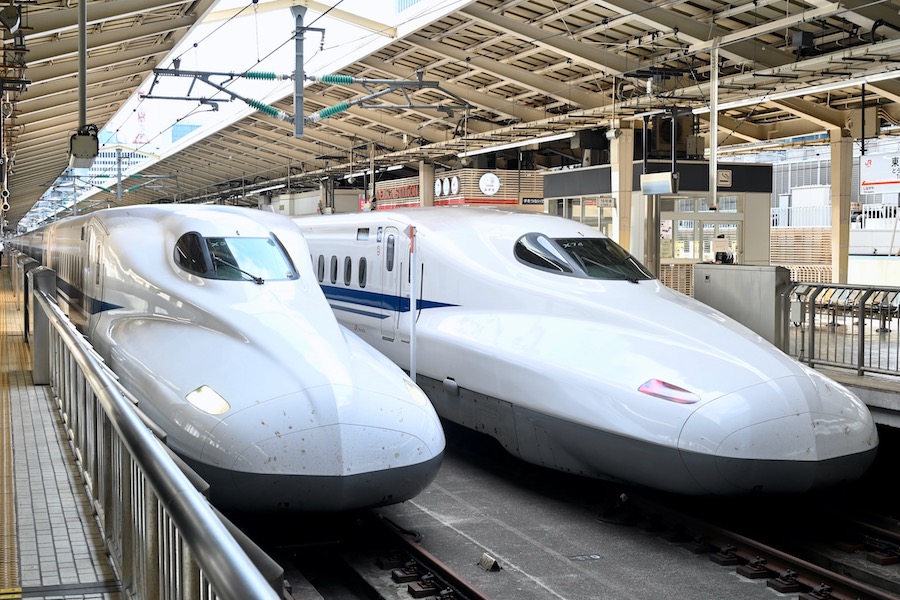
Hand on heart, this is exactly the kind of news that can turn a smooth day trip into a long wait at the station. If you've ever stood under the blue departure boards at Tokyo Station, watching one delay ripple through the whole line, you know why rail fans keep such a close eye on typhoon forecasts. See what I mean?
Why the Tokyo-Nagoya section matters so much
Tokyo to Nagoya is one of the most important high-speed rail corridors in Japan. The ride usually takes about 1 hour and 40 minutes on nozomi, and the line carries business travellers, tourists and commuters to connecting trains all day long.
Compared with back home, Japan's shinkansen network is built around precision, and that means severe weather can trigger quick decisions rather than slow, cautious drift. JR Central has to think about wind, heavy rain, debris and visibility, because even a brief problem at one point on the line can affect the whole schedule. That's why the Tokyo-Nagoya section is often the first place people watch when a big typhoon is moving in.
What Typhoon No. 6 could change
Typhoon No. 6 doesn't need to make landfall right on top of the route to cause trouble. Strong wind bands and heavy rain can still lead to speed restrictions, suspended service or last-minute timetable changes, and on a line as busy as the Tokaido Shinkansen, that can snowball quickly.
And it gets better: even if trains keep running, the experience isn't always smooth. You may see platform crowding, longer transfer times and packed ticket gates as travellers try to shift plans all at once. Not bad, right?
How this affects Japan trips, rail fans and Japanese learners
If you were planning a city hop from Tokyo to Nagoya, my tip is simple: check the official JR Central updates before you leave your hotel. Don't rely on a single app notification, because typhoon-related changes can happen fast, especially in the morning and late afternoon.



While we're at it, this is a useful moment for Japanese language learners. The word 天気 (tenki) means weather, 台風 (taifu) means typhoon, and unten teishi means service suspension. You’ll hear these terms constantly in station announcements, on railway websites and on the big information screens, so learning them now really pays off later. My tip: keep a small note in your phone with these words. You'll thank yourself when the boards turn red.
Rail-fan angle: why this is still worth following
For train enthusiasts, typhoon days are stressful, but they also reveal how Japan's railway system works under pressure. JR Central's operational rules, rolling stock management and passenger messaging all become visible in real time, and that's classic Japan rail culture, isn't it?
I still remember exactly how quickly a normal travel day can change in Japan once the weather shifts. One hour you're planning a comfy nozomi ride, the next you're checking whether the line will stop north of Nagoya or run with reduced speed. Speaking of which, these are the moments when rail operations feel almost like live theatre, only with more suitcases and fewer seats. Simply brilliant.
Practical advice if you are travelling on the Tokaido Shinkansen
Here's the thing: if you're booked on the Tokaido Shinkansen during a typhoon warning, build extra time into your schedule and keep your plans flexible. If you're connecting to a flight, a hotel check-in or a reserved dinner, consider moving those plans earlier or later before you arrive at the station.
Also, don't assume all trains on the day will be cancelled in advance. Often the situation changes hour by hour, and JR Central may keep some service running before switching to suspension later. That's why checking the official site again right before departure matters more than any social media post or old screenshot.
For deeper context on how rail disruptions are reported in English, Traicy is worth bookmarking, and rail watchers often track updates there alongside the operator's own notices. Wait, there's more.
Frequently Asked Questions
Will the Tokaido Shinkansen stop completely because of Typhoon No. 6?
It could, but the final decision depends on wind, rain and safety conditions along the route.
Which part of the line is most important here?
The Tokyo-Nagoya section is especially important because it carries heavy traffic and sits on one of Japan's busiest intercity routes.
What should travellers do first?
Check the latest JR Central service updates before leaving for the station and keep your schedule flexible.
For more context on Japan travel and rail news, visit more Japan news on jpnerd.com.


